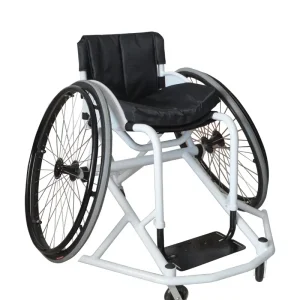
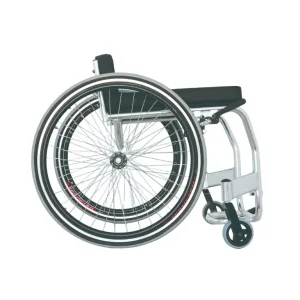
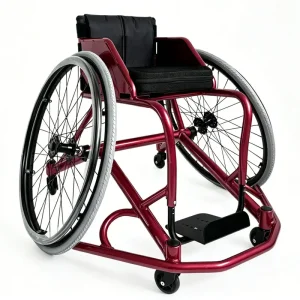
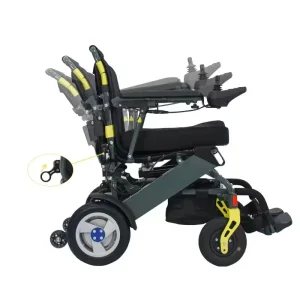
In the evolving landscape of sports technology, professional sports wheelchairs have transitioned from basic mobility tools to high-performance athletic equipment. For users in Encamp and beyond, the demand for lightweight, aerodynamic, and durable sports wheelchairs is surging. As an SEO strategist, I note that semantic relevance in "custom-fit" and "ergonomic carbon-fiber integration" is driving search intent for top-tier manufacturers. Our research indicates that the future of this sector lies in "Smart Frame Geometry," which optimizes center-of-gravity distribution for high-speed maneuvering.
The industrial ecosystem for sports wheelchairs currently favors manufacturers with ISO-13485 certifications. In mountainous regions like Encamp, players require equipment that offers both indoor agility and ruggedized stability. Globally, the shift is toward "modular adaptability," allowing athletes to customize camber and axle positioning for specific sports like Paralympic Basketball or Tennis.
A: We utilize rigorous fatigue testing protocols and adhere to international ergonomic standards, ensuring our equipment withstands intensive competitive use.
A: Our focus on "Information Gain"—constantly upgrading our frame designs based on professional athlete feedback—provides a distinct performance edge.