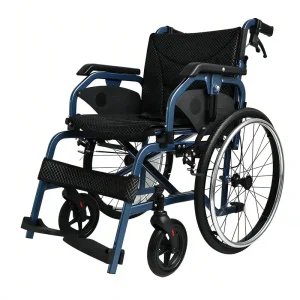
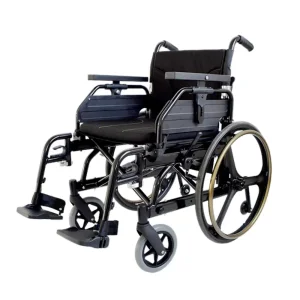
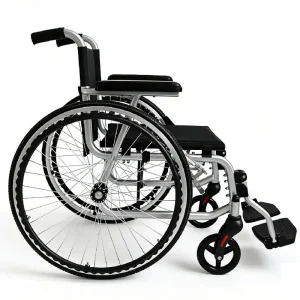
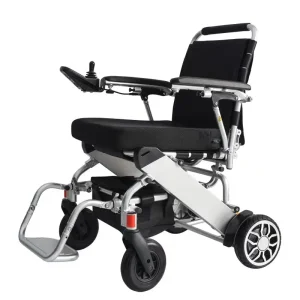
Explore our premium selection of lightweight manual and folding transit wheelchairs specifically engineered for urban navigability and strict healthcare institution safety protocols.
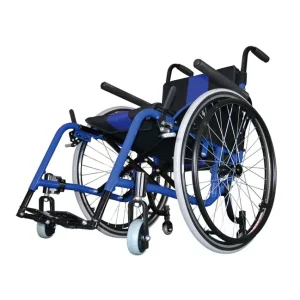
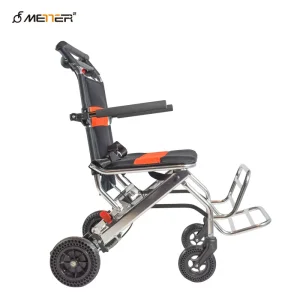
Tokyo is the epicenter of one of the world's most rapidly aging populations, leading to some of the strictest standards for rehabilitation equipment and assistive products worldwide. Under the Tokyo Metropolitan Government's "Barrier-Free" design guidelines and the national Long-Term Care Insurance (Kaigo Hoken) framework, manual wheelchairs are not treated as simple utility equipment. Instead, they are regarded as precise medical interventions that must seamlessly interface with Tokyo’s highly dense urban infrastructure, narrow architectural corridors, and complex railway transit networks.
In Tokyo, medical device dealers, nursing home networks, and commercial distributors prioritize manual wheelchairs that satisfy local Japanese Industrial Standards (specifically JIS T 9201 for manual wheelchairs). Frame structures must optimize overall vehicle width, feature precise turning radiuses for tight spaces, and incorporate ergonomic pressure relief and safety braking features. As a prominent global manufacturer, we specialize in high-strength, lightweight aluminum alloys that provide structural rigidity while keeping the physical footprint of the wheelchair highly portable for Japanese transport networks.
Global medical equipment distributors and institutional buyers are shifting away from heavy, low-durability steel mobility chairs. Modern sourcing strategies demand high-strength aerospace alloys, highly customized upholstery options, dynamic modular configurations, and strict compliance with medical standards like CE (European Conformity) and PMDA (Japan's Pharmaceuticals and Medical Devices Agency) registrations. Reliability is paramount: bulk buyers expect product longevity that minimizes lifecycle maintenance costs for hospital fleets and rental schemes.
"Procurement directors across East Asia and Europe look for suppliers that can bridge cost efficiencies with rigorous laboratory certifications. Every structural weld, bearing tolerances, and upholstery fabric formulation must pass rigorous stress testing protocols."
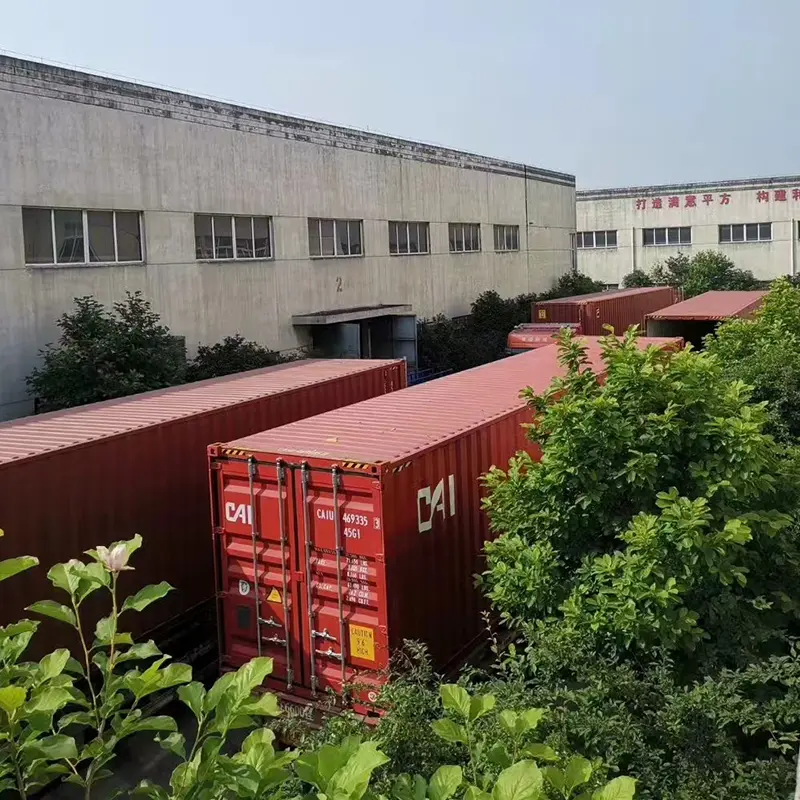
Our production facilities operate on a Factory 4.0 smart manufacturing standard, integrating automated robotic arm welding, high-precision CNC tube extrusion, and computerized quality-control monitoring. Located strategically in the industrial heartlands of Jiangsu, China (with proximity to key transport hubs like Shanghai and Ningbo), our factory maintains an unbroken supply chain of premium raw materials. This layout insulates our global partners against logistical bottlenecks, offering expedited shipping options straight to the Port of Tokyo and major ports across Asia and Europe. Through automated process controls, we achieve an unparalleled balance of unit cost efficiency and reliable mechanical tolerances.
Changshu Pingfang Wheelchair Co., Ltd. was established in August 2010, operating within a modern manufacturing footprint of approximately 3,000 square meters. Recognized as a high-tech enterprise, our competencies span the complete research, design, production, and worldwide distribution of elite-tier intelligent electric wheelchairs, professional adaptive sports wheelchairs, and clinical manual wheelchairs.
By seamlessly integrating in-house R&D with advanced production lines and international logistics departments, we provide customized OEM and ODM solutions to healthcare distributors, municipal procurement programs, and medical equipment brands across Japan, Europe, and North America.

Our commitment to innovative engineering ensures every wheelchair we fabricate meets the demanding mechanical standards of global healthcare systems.
Patented folding mechanisms crafted from lightweight aerospace aluminum. Easily collapses to fit within compact car trunks and narrow storage spaces common in Tokyo residential areas.
For our power configurations, we implement advanced lithium battery technologies and brushless hub motors that optimize output efficiency while keeping total weight to an absolute minimum.
Anatomically contoured backrests and pressure-relieving seat designs minimize friction points, offering superior long-term clinical comfort and preventing skin breakdown.
Our engineering portfolio includes proprietary chassis solutions and braking mechanisms, assuring distributors that they are sourcing unique, legally clean products.
Reinforced double-cross braces, high-rebound shock-absorbing caster assemblies, and integrated anti-tip wheels guarantee secure locomotion on varied urban and park terrains.
Fully recyclable anodized aluminum tubing combined with non-toxic, flame-retardant upholstery choices aligns with clean green energy initiatives and hospital compliance trends.
Precision-made configurations engineered to target specific user profiles, medical requirements, and lifestyle preferences.
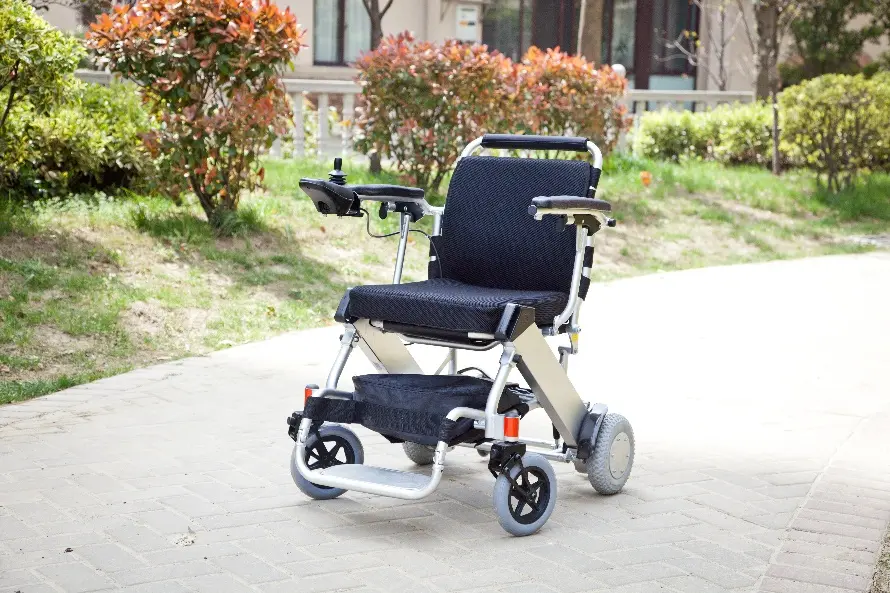
Lightweight folding structures equipped with brushless motors, sensitive joystick controllers, and airline-compliant lithium power units.
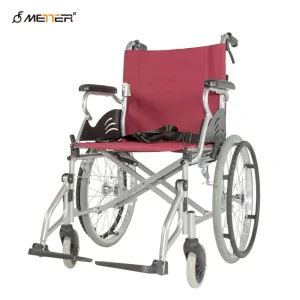
Classic self-propelled and transit configurations featuring quick-release wheels, durable handrims, and adjustable center of gravity parameters.
Ultra-responsive structural frameworks with specialized cambered wheels for high-impact basketball, tennis, and racing disciplines.
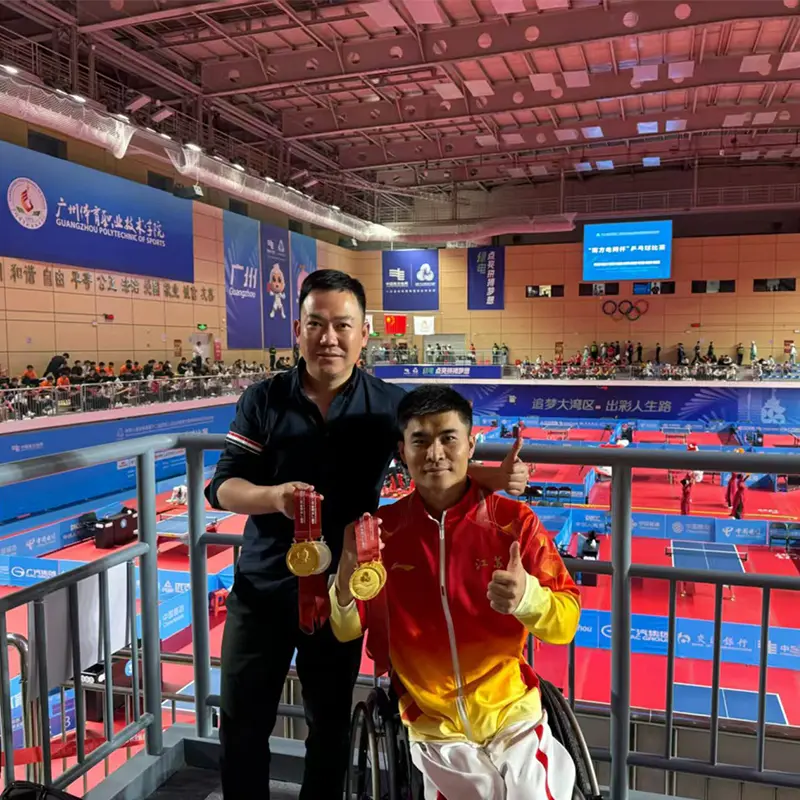
Proof of our performance and quality standards in diverse healthcare systems and high-profile sporting events worldwide.
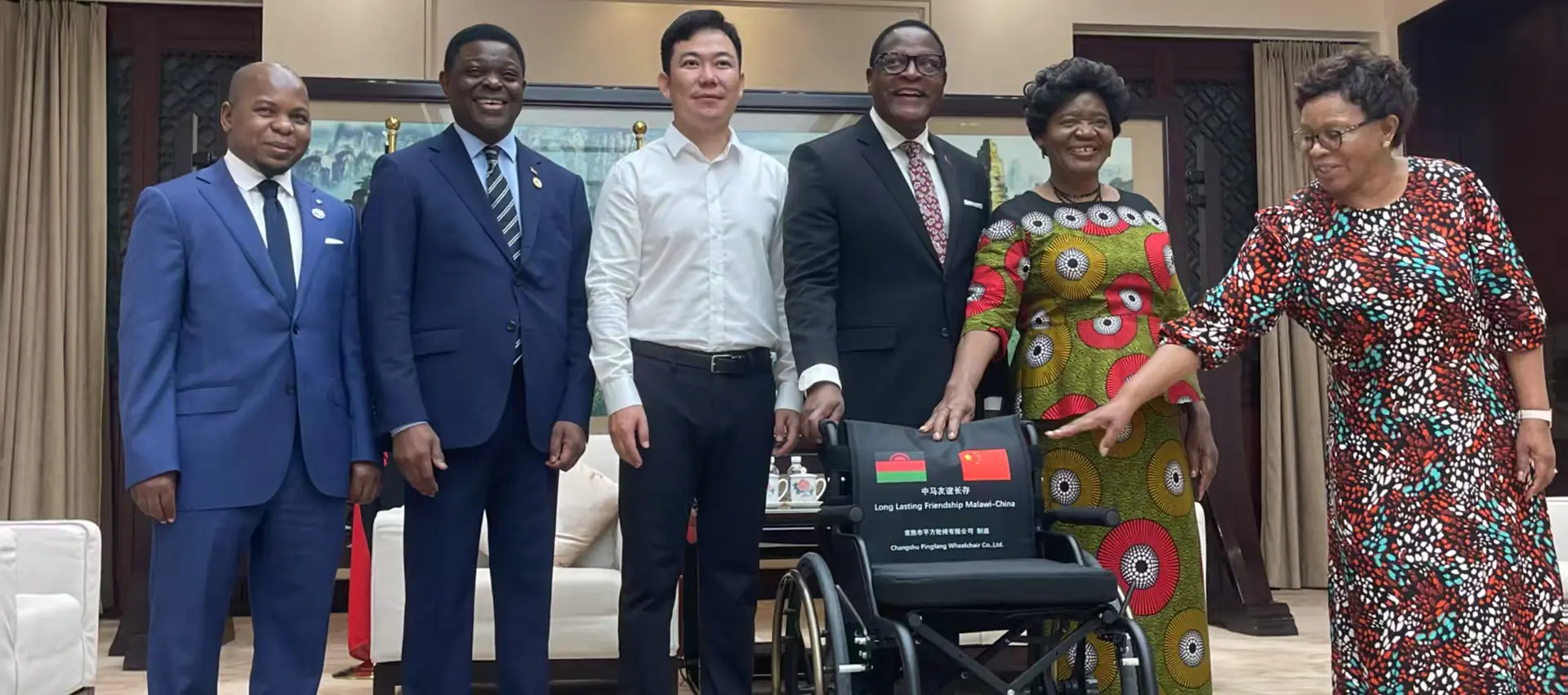
Changshu Pingfang Wheelchair Co., Ltd. proudly donated 100 sports and leisure wheelchairs to communities in Malawi, facilitating local athletic integration and increasing regional standard of living.
Read Case Details
Our custom high-performance electric and manual wheelchair configurations provided superior mobility solutions to athletes and visitors at the Beijing Olympic and Paralympic villages.
Read Case Details
Successfully passed testing requirements for registration within the social insurance reimbursable systems of France, Italy, and other central European nations.
Read Case Details
We built a customized all-terrain wheelchair configuration for Mr. Lu, a dedicated landscape photographer, enabling him to cross rugged environmental terrains independently.
Read Case DetailsOur manufacturing and engineering systems are fully certified by leading international testing organizations, ensuring easy customs clearance and clinical credibility.
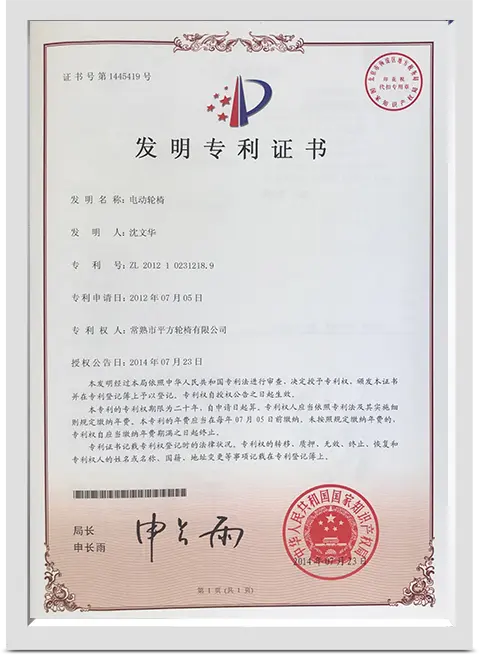
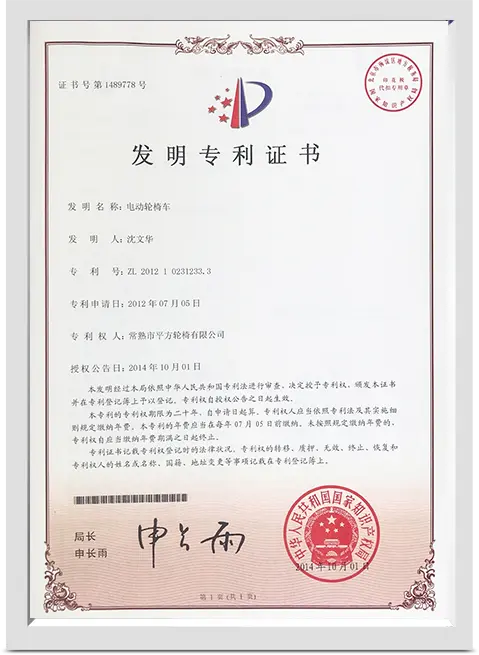
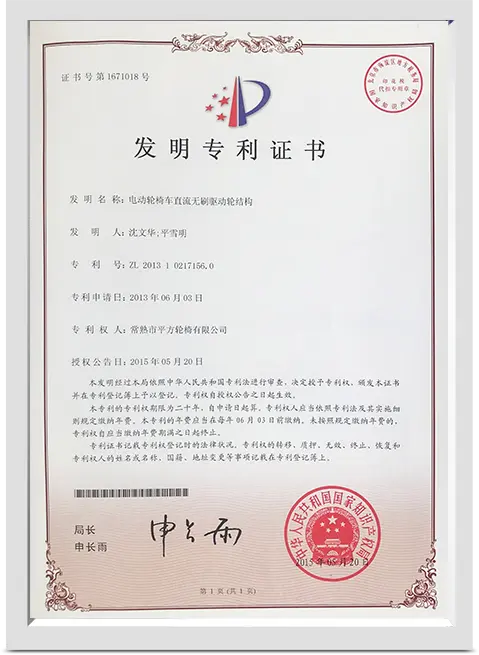
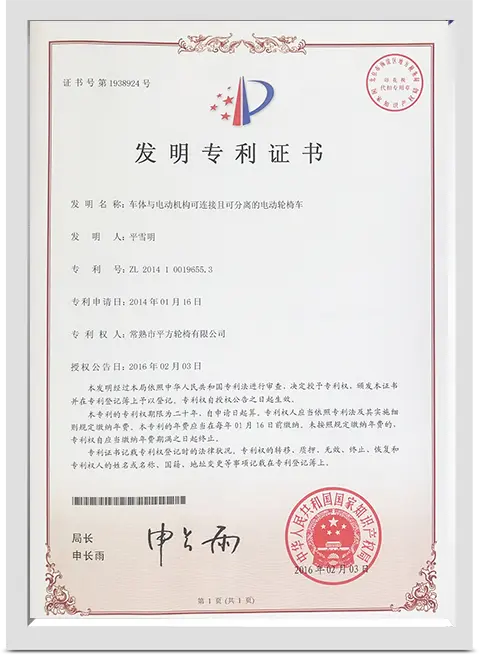
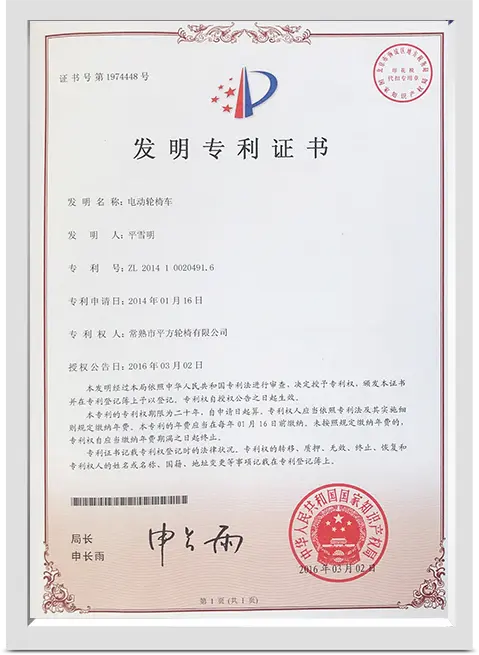
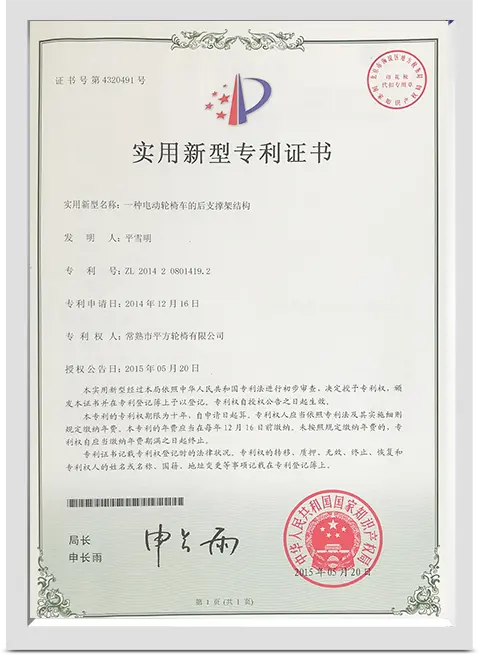
Premium OEM/ODM wheelchair configurations utilizing modern structural alloys and high-precision assemblies.
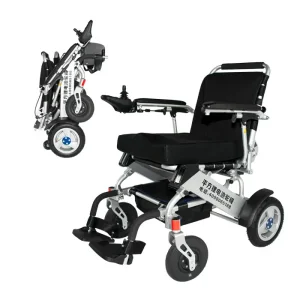
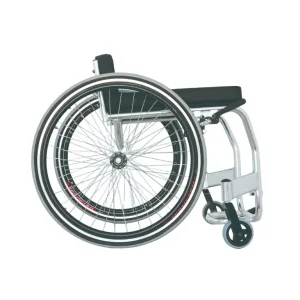
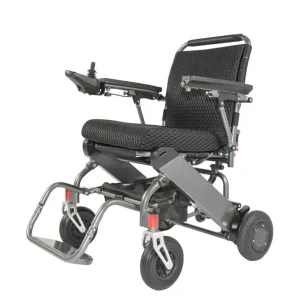
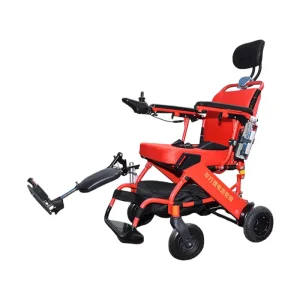
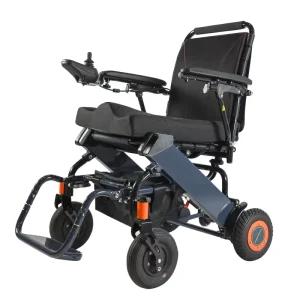
A manual wheelchair deployed in Tokyo must be highly responsive to specific physical environments. For instance, the transition from Tokyo Metro platform levels to train cars requires front casters with optimized diameter and shock absorption capabilities to easily cross the gap. Similarly, navigating dense districts like Shibuya and Shinjuku demands an extremely tight turning radius to manage narrow restaurant spaces and compact retail elevators safely.
In high-density nursing care homes in Koto Ward or Setagaya, space optimization is key. Folded chairs must stand independently in designated storage lockers. By configuring our frames with folding backrests and swing-away leg rests, we ensure that clinical facilities can optimize their floor footprints while providing patients with robust, industrial-strength support during daily activities.
Stay informed with our recent development milestones, sporting achievements, and global expansion insights.
Comprehensive technical answers to critical sourcing questions asked by medical equipment buyers, distributors, and logistics directors.
Discuss your bulk procurement specifications, pricing tiers, and customized OEM demands directly with our technical support team. We reply within 24 hours.