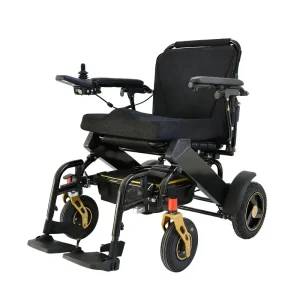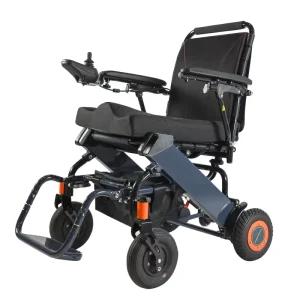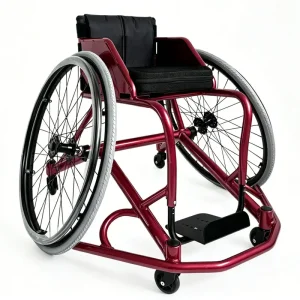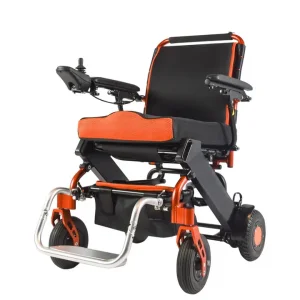
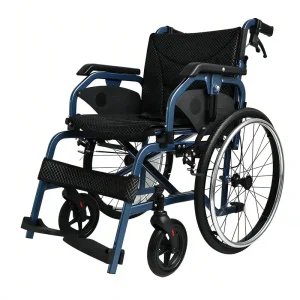
Bulgarian Manual Wheelchair Market & Industrial Landscape
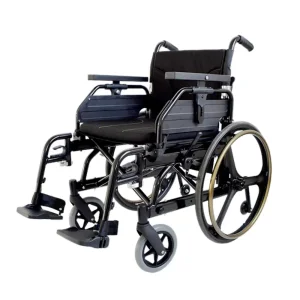
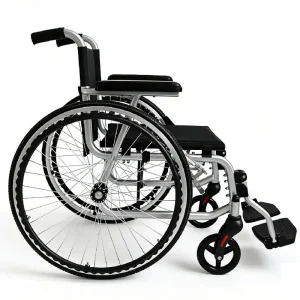
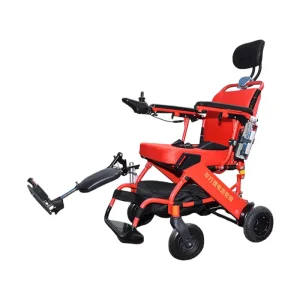
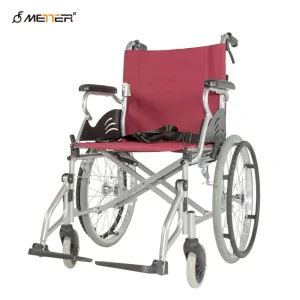
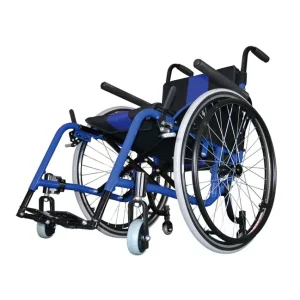
The demand for advanced mobility equipment in Bulgaria is experiencing a significant structural transition. Historically dependent on standard, heavy steel manual chairs, the Bulgarian healthcare system—under the oversight of the Ministry of Health and the National Health Insurance Fund (NHIF / NZOK)—is actively shifting reimbursement priority toward lightweight, high-strength aluminum alloys and custom-configurable active wheelchairs. This shift is driven by a combination of aging demographics and European accessibility modernization programs.
Key Demographic & Access Demands in Bulgaria
Bulgaria faces unique topographical and structural challenges that influence assistive device requirements:
- Urban Infrastructure Challenges: Historical cities like Plovdiv, Veliko Tarnovo, and coastal Varna present rough cobblestone paving, narrow pathways, and historic architectural barriers. Standard wheelchairs fail under these conditions; hence, the demand for high-durability manual wheelchairs with advanced pneumatic shock-absorption and reinforced structural frames has surged.
- Public Procurement and Agency for Social Assistance (ASP): Public healthcare tenders in Bulgaria increasingly demand strict adherence to European Union standards. Products must not only carry the CE mark but also prove conformity with EN 12183 (manual wheelchairs) and EN 12182 (assistive products).
- Private & NGO Integration: Domestic distributors and NGOs in Bulgaria are prioritizing modular configurations that allow regional dealers to fine-tune backrest heights, center of gravity, and footplate angles locally, reducing post-purchase adjustment times.