London Market Industrial Whitepaper: Manual Mobility Solutions
1. London’s Urban Infrastructure Challenges & Mobility Demands
Navigating the metropolis of Greater London poses severe challenges for wheelchair users. The city presents a unique layout of historic cobblestone streets, Victorian architecture, narrow residential doorways, and a complex public transport system where only a portion of tube stations offer step-free access. For a manual wheelchair to be truly effective within London, it must exhibit high maneuverability, minimal turning radius, and superior shock absorption.
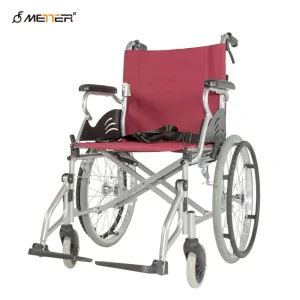
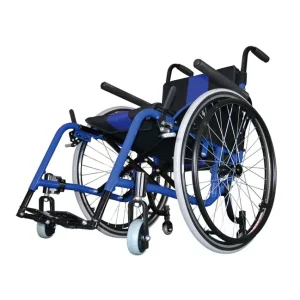
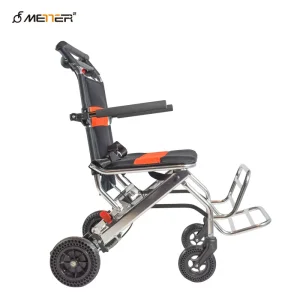
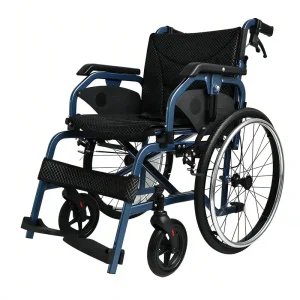
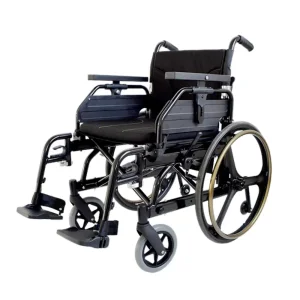
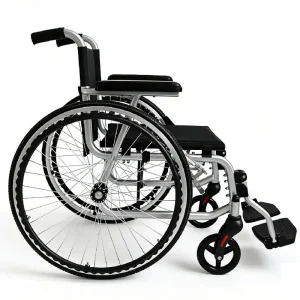
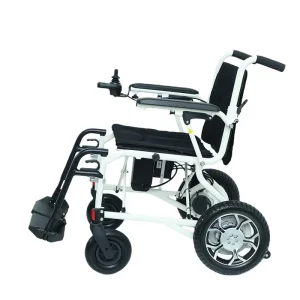
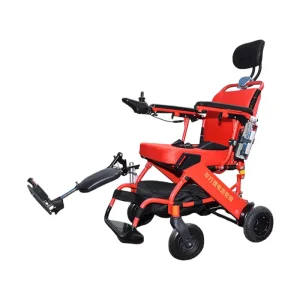
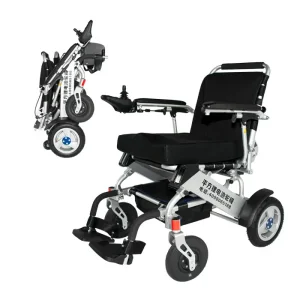
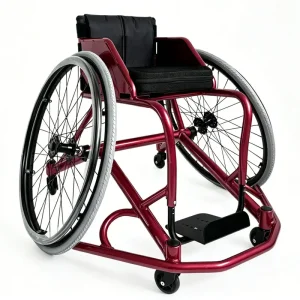
Our aluminum alloy manual wheelchairs are designed to meet these exact needs. By minimizing overall chassis width without sacrificing seat room, we ensure our wheelchairs fit through tight historic doorways and navigate busy red double-decker buses. Advanced engineering of the rear-wheel camber and front caster configurations reduces the effort needed to push, preventing shoulder strain for self-propelling users on uneven paths.
2. Global Supply Chain & Manufacturing Capabilities
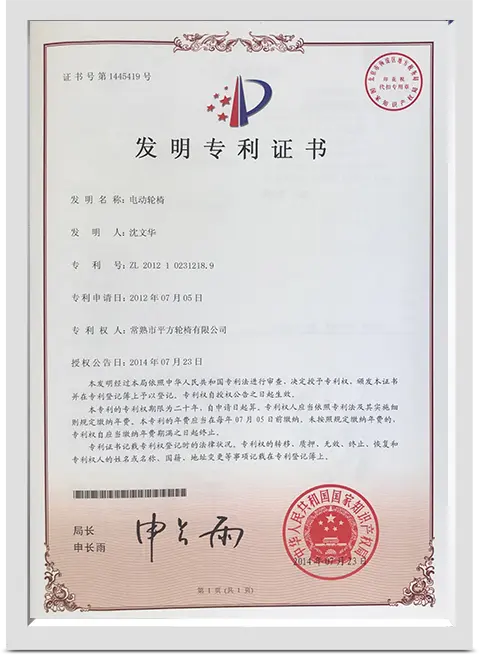
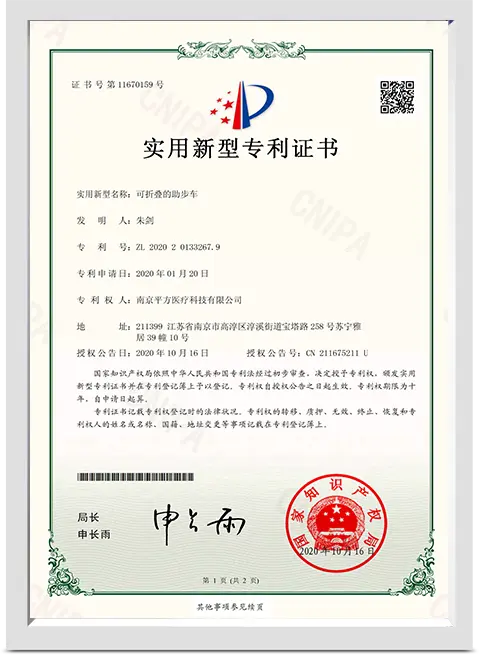
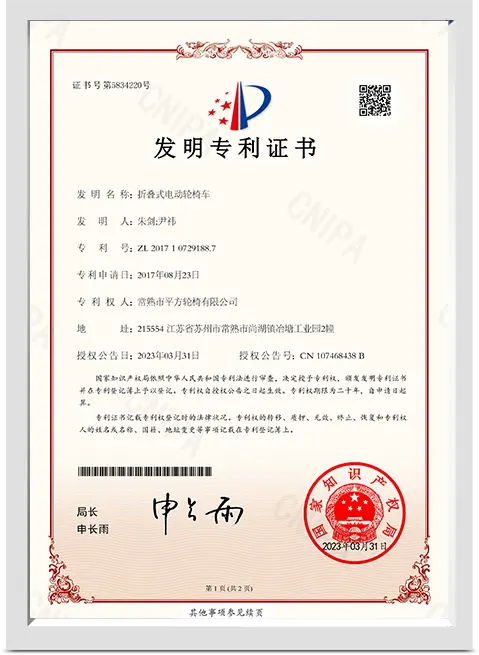
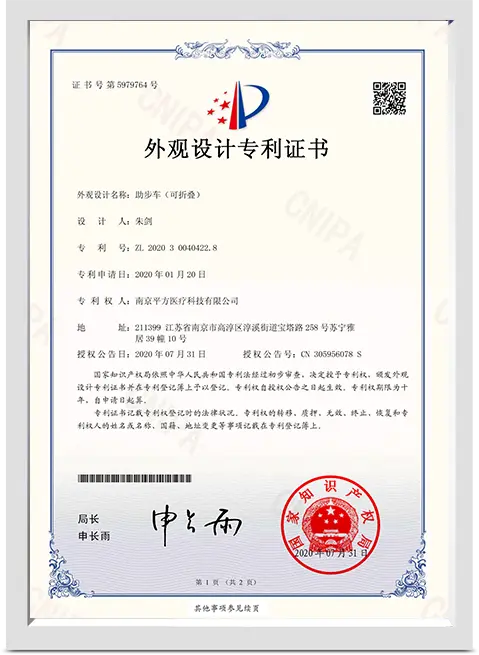
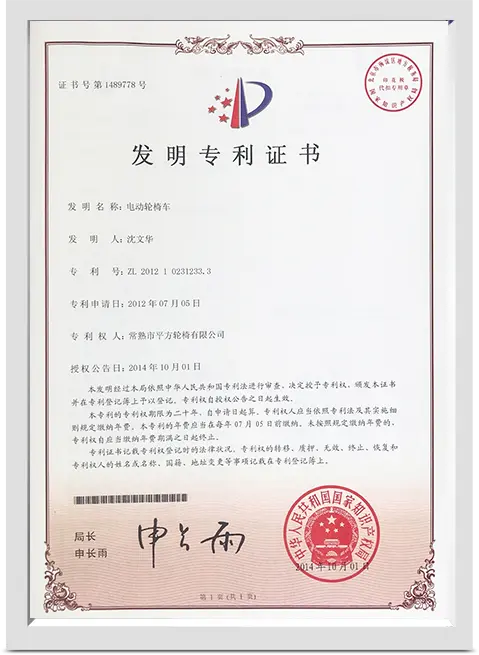
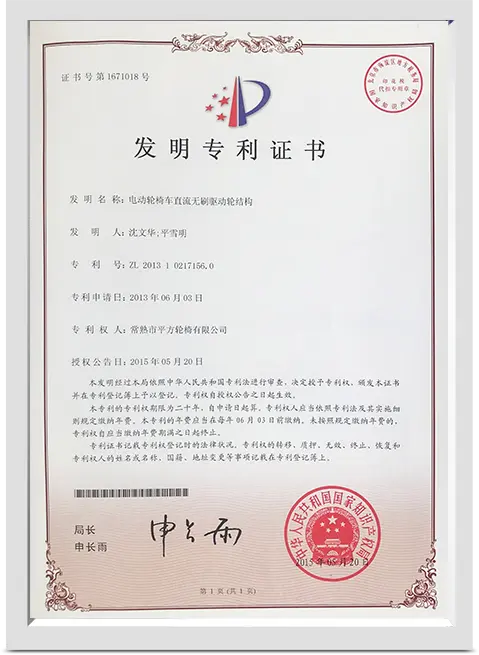
The global wheelchair manufacturing industry is shifting toward materials with high strength-to-weight ratios, such as aircraft-grade aluminum, magnesium alloys, and carbon fiber. As a high-tech manufacturer, Pingfang integrates advanced automated CNC bending, robotic welding, and automated powder coating processes to ensure absolute frame consistency across thousands of units.
Our large-scale manufacturing capacity allows us to offer competitive wholesale pricing to UK importers and healthcare providers. By optimizing raw material sourcing and relying on vertically integrated manufacturing, we protect clients from international supply chain delays, delivering bulk shipments to major UK shipping ports on time.
3. UKCA & MDR Regulatory Compliance for British Healthcare
Entering the UK healthcare supply system requires meeting strict quality and safety criteria. As the UK transitions from CE marking to the UKCA (UK Conformity Assessed) system, our quality control team ensures every wheelchair meets these new standards. Our products conform to the BS EN 12183 standard for manually propelled wheelchairs, verifying their safety, strength, and durability.
Furthermore, our manufacturing systems are certified to ISO 13485 (Medical Devices — Quality Management Systems), ensuring that every step, from design to assembly, is documented and traceable. This strict compliance gives NHS procurement managers, private hospital groups, and local distributors absolute confidence in the safety of our products.
4. Future Technical Roadmap: Smart, Ergonomic, and Ultralight
Pingfang’s engineering roadmap is focused on developing next-generation manual wheelchairs that integrate smart technology and advanced materials. We are testing magnesium alloy frame structures that reduce weight by 30% compared to standard aluminum, while maintaining high strength and vibration dampening.
Our upcoming models will also feature modular design layouts, allowing therapists to customize seat depth, backrest angle, and armrest heights with simple tools. This flexibility ensures our wheelchairs can be easily adjusted for individual patient needs, helping distributors reduce their inventory costs while still offering tailored solutions.