What Is a Wheelchair With Electric Assist?

Time:2026-10-11 Author:Henry
0%

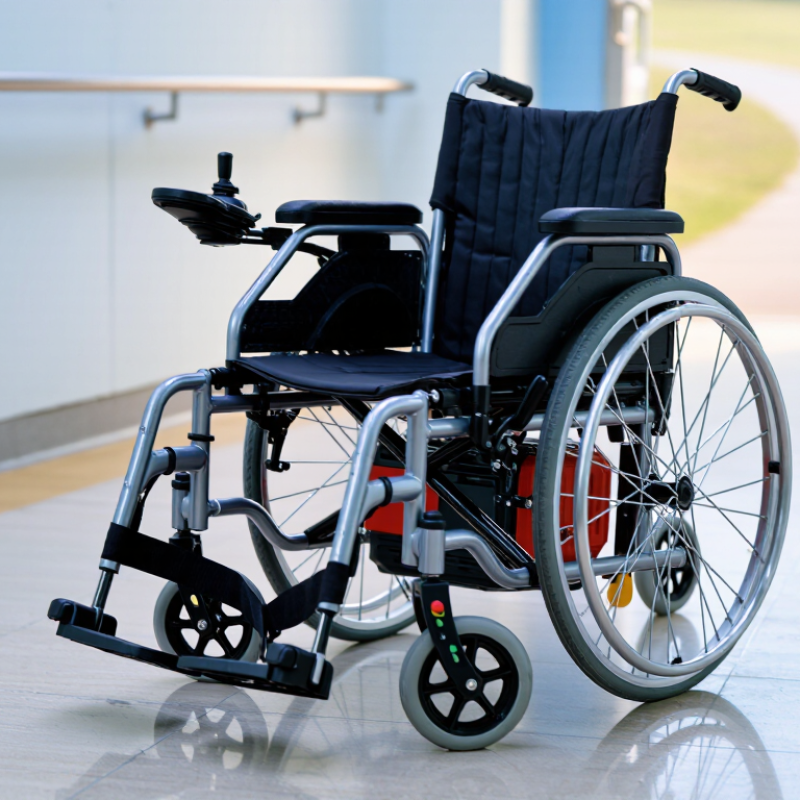
A Wheelchair With Electric Assist combines manual mobility with powered support. It helps users move farther with less strain on their arms, shoulders, and hands. Unlike a fully powered wheelchair, it usually keeps the familiar manual frame and adds a motor, battery, and control system. Some models assist the rear wheels, while others use powered attachments beneath the chair.

The difference can feel practical. A user may push across a smooth hallway, climb a gentle ramp, or travel over outdoor paths with additional support. Small control switches, hand rims, or joysticks may regulate the assistance level. However, performance depends on battery capacity, terrain, user weight, tire condition, and maintenance. Wet surfaces and steep slopes still require caution.

Rehabilitation professionals often assess posture, hand strength, transfer ability, and daily routes before recommending a system. A careful fitting matters. The wrong control position can cause discomfort or reduce safety. A trained supplier should explain charging, braking, battery storage, and emergency operation clearly.

It is not a universal solution. Some users may need a fully powered wheelchair, while others may prefer a lighter manual setup. Costs, transport space, insurance rules, and repair availability also influence the decision. Real-world trials are valuable because showroom floors rarely resemble crowded sidewalks or uneven door thresholds.

The best choice is personal. It should support independence without creating new physical or practical burdens. Even experienced users may need time to adjust. That detail is easy to overlook.
What Is a Wheelchair With Electric Assist?

Definition and Core Function of an Electric-Assist Wheelchair

An electric-assist wheelchair is a manual wheelchair supported by a battery-powered motor. The user still guides the chair, while the motor reduces the effort needed to move. Some systems respond to push-rim pressure. Others use a control device or powered wheels. The exact operation depends on the wheelchair’s design and the user’s abilities.

Its core function is assistance, not complete independence from physical control. Electric support can make ramps, long corridors, thick carpets, and outdoor paths less demanding. A practical test should include starting, stopping, turning, and moving across uneven ground. Battery level also matters. A chair that performs well indoors may feel less confident on wet pavement or steep slopes.

It is not a fully autonomous wheelchair. That distinction matters. An occupational therapist or qualified mobility professional can assess posture, hand strength, balance, vision, and daily routes before recommending a setup. Correct seating and control placement may prevent shoulder strain and unsafe reaching. In real use, small problems appear: a joystick may feel sensitive, or extra weight may complicate lifting. I have found that users often focus on motor power first, but control comfort can matter more. Some people may also need practice before judging the system fairly.

What Is a Wheelchair With Electric Assist? - Definition and Core Function of an Electric-Assist Wheelchair
Dimension Typical Data or Definition Core Function and Practical Meaning
Basic definition A manual wheelchair fitted with a powered assist system that helps propel, slow, or control the chair. It combines manual wheelchair mobility with battery-powered assistance, reducing the physical effort required from the user or attendant.
Primary power source Rechargeable lithium-ion or lead-acid battery, depending on the system design. The battery supplies electrical energy to one or more motors. Actual operating time depends on battery capacity, terrain, user weight, temperature, and assistance level.
Drive mechanism Motorized wheels, hub motors, powered push rims, or an add-on drive unit. The mechanism adds torque to wheel movement or provides controlled propulsion while preserving the chair’s manual mobility function.
User control Common controls include push-rim sensors, hand controls, buttons, joysticks, or attendant controls. Controls determine when assistance starts, how much power is delivered, and how the wheelchair accelerates or decelerates.
Assistance levels Many systems provide several selectable assistance levels, from low support to higher powered support. Lower levels can conserve battery energy on level ground, while higher levels can reduce effort on slopes, ramps, or uneven surfaces.
Typical maximum speed Often approximately 6 km/h (3.7 mph) for indoor and pedestrian-area use, although limits vary by configuration and local regulations. Speed limits support safer maneuvering and may affect where the wheelchair can legally operate. The manufacturer’s specification and local rules should always be checked.
Typical travel range A broad practical range is approximately 10–30 km per charge, but the rated range is system-specific. Range decreases with hills, frequent stops, soft ground, heavy loads, cold temperatures, tire friction, and high assistance settings.
Charging time Common charging times are approximately 4–8 hours, depending on battery type, charger output, and state of charge. Regular charging according to the user manual helps maintain availability and supports battery service life.
Load capacity Many standard configurations support approximately 100–150 kg, including the user and carried items. The permitted load affects stability, braking, range, and motor performance. The specific wheelchair and assist-unit rating takes priority.
Terrain capability Designed primarily for paved paths, indoor floors, ramps, and moderate outdoor surfaces; slope limits vary. Electric assistance improves performance on inclines and longer routes, but it does not remove the need to observe safe slope, surface, and weather limits.
Manual operation Most electric-assist designs can be used with the motor switched off, subject to system-specific resistance and weight. Manual operation provides a backup option and can help conserve battery power during short indoor movements or transport.
Braking and safety Safety features may include electromagnetic braking, manual parking brakes, speed control, anti-tip devices, and battery protection. These features help control unintended movement and improve stability, but users must still apply safe driving practices and use parking brakes when stationary.
Portability Some systems are detachable or foldable; powered components commonly add approximately 5–15 kg, depending on design. Portability depends on total wheelchair weight, battery removal, folding dimensions, and the lifting capacity of the person handling it.
Main user benefits Reduced arm strain, improved hill-climbing ability, longer travel capability, and less effort for attendants. Electric assist can support users who have limited upper-body strength or fatigue during extended manual propulsion, while retaining familiar wheelchair operation.
Key limitations Added weight, battery charging requirements, electronic maintenance, higher purchase cost, and reduced range when conditions are demanding. Electric assistance is not a complete substitute for proper wheelchair fitting, user training, regular inspection, and route assessment.
Note: The numerical values are general industry ranges for explanation only. Actual speed, range, charging time, load capacity, and slope capability vary by wheelchair configuration, assist system, battery, user weight, terrain, and applicable regulations.

Main Components That Provide Powered Assistance

What Is a Wheelchair With Electric Assist?

Main Components That Provide Powered Assistance

A wheelchair with electric assist adds powered movement to a manual chair. Its main components work together to reduce pushing effort. The battery stores energy, usually in a compact rechargeable pack. A motor then converts that energy into wheel movement. Depending on the design, motors may sit near the rear wheels or connect through an assist unit.

The controller acts as the system’s decision center. It receives input from a joystick, push sensors, or wheel-mounted controls. Some systems detect how strongly the user pushes and add matching power. This can feel natural on ramps or uneven pavement. However, sensor settings need careful adjustment. Too much assistance may cause sudden movement, especially indoors.

Mounting hardware keeps the powered unit attached to the wheelchair frame. Strong brackets, locking points, and properly aligned wheels support stable handling. Electronic brakes help control speed when the user releases the controls. A charger restores the battery, while battery indicators show remaining power. These details matter during longer trips. A low battery can change the chair’s balance and performance.

In practical fitting, seat width, user weight, terrain, and posture all affect component selection. A system that works well on smooth floors may struggle on gravel. Regular checks should include cables, wheel clearance, brakes, and attachment points. I have seen people focus on motor power and overlook comfort. That is an understandable mistake, but safe assistance requires the whole system to work together.

How Electric Assist Works During Everyday Movement

What Is a Wheelchair With Electric Assist?

A wheelchair with electric assist combines manual movement with motor support. The user still guides the chair, while sensors detect pressure on the push rims or control input. A compact motor then adds power during acceleration, turning, or hill climbing. The support feels strongest when resistance increases. That matters.

During everyday movement, electric assist can reduce the force needed for repeated pushes. Moving across carpet may feel easier. Ramps and uneven pavement can become more manageable. Some systems adjust assistance automatically, while others use a simple control setting. The best choice depends on arm strength, posture, terrain, and travel habits. Small details matter.

The World Health Organization and UNICEF reported in their 2022 Global Report on Assistive Technology that more than 2.5 billion people need assistive products worldwide. Nearly one billion people cannot access them. This gap shows why practical design and professional fitting matter. A poorly adjusted system may increase shoulder strain instead of reducing it. It may also add weight during car transfers. Not always convenient.

Clinicians commonly assess reach, braking ability, seating position, and battery handling before recommending electric assist. Users should test the chair on slopes, door thresholds, and crowded indoor floors. Real life is less predictable than a showroom. I would also question advertised range, because payload, temperature, terrain, and battery age can change performance. Regular maintenance remains essential, even when the motor does most of the work.

What Is a Wheelchair With Electric Assist?

How electric assist works during everyday movement

This chart shows the additional uphill force caused by gravity for a combined user-and-wheelchair mass of 100 kg. The values are calculated using F = m × g × sin(θ), excluding rolling resistance. Electric assist helps by supplying part of this force through motor torque, reducing the pushing effort required on ramps and inclines.

Types of Electric-Assist Wheelchairs and Their Differences

What Is a Wheelchair With Electric Assist?

A wheelchair with electric assist combines manual mobility with a powered support system. It helps users travel farther while preserving some upper-body control. Electric-assist designs differ mainly in power location, control method, weight, and terrain performance.

Power add-on units attach near the rear wheels and push the chair forward. They can offer strong support on slopes, but they may increase turning distance. Electrically assisted handrims respond when the user pushes the rims. They feel more natural, although they require useful hand strength and coordination. Some systems use a compact motor beneath the seat. These often provide smoother assistance but can make transfers and lifting harder. Hybrid chairs include built-in motors and manual controls. They usually offer better stability, but their frames may be heavier and less portable.

From practical fitting experience, I have learned that the strongest system is not always the best choice. A lightweight model may work well indoors but struggle on wet grass or steep ramps. A powerful model may feel unnecessary in a small apartment. That assumption was too simple. Battery range also changes with rider weight, tire pressure, temperature, and hills.

Tips: Test the chair on your real routes. Check braking, turning, seat height, and transfer space. Ask a qualified occupational therapist or seating specialist to assess posture and control access. Read the charging and maintenance instructions carefully. A short trial can reveal problems that specifications cannot.

Safety, Maintenance, and User Selection Considerations

What Is a Wheelchair With Electric Assist?

Safety, Maintenance, and User Selection Considerations

A wheelchair with electric assist combines manual mobility with motor-supported movement. Small motors help propel the chair, reduce pushing effort, and manage mild slopes. Some systems respond to hand-rim pressure, while others use a joystick or attendant control. The chair still requires careful handling. Electric assistance does not remove the need for balance, braking, or route planning.

Safety starts with a practical assessment. Check the user’s posture, reach, vision, reaction time, and hand strength. Test braking on a flat surface before approaching a ramp. Keep speed low near doors, uneven pavement, and crowded spaces. Anti-tip devices can improve stability, but they cannot prevent every fall. Transfers should occur with the power switched off. A qualified therapist or technician can help confirm fit and control settings. That step is often skipped.

Maintenance is simple but not optional. Inspect tires, wheel locks, casters, frame joints, cables, and connectors each week. Keep charging contacts dry and use only the approved charger. Watch for reduced range, unusual heat, delayed braking, or motor noise. These signs need prompt inspection. Do not continue riding after water enters the control system. Selection should consider body dimensions, weight capacity, terrain, transport space, battery range, and repair access. A showroom trial may feel convincing, yet real streets can expose poor turning control or uncomfortable seating. That possibility deserves honest attention.

FAQS

What is a wheelchair with electric assist?

It is a manual wheelchair supported by a battery-powered motor. The system reduces pushing effort while preserving some manual control.

Which components provide powered assistance?

A rechargeable battery stores energy, while the motor turns that energy into wheel movement. A controller manages input from joysticks, sensors, or wheel controls.

How does the controller affect movement?

It interprets control signals and adjusts motor assistance. Push sensors can match the user’s effort, but incorrect settings may cause sudden movement.

What types of electric-assist systems are available?

Rear-wheel add-on units push the chair forward. Assisted handrims respond to pushing, while under-seat motors usually provide smoother support.

Is a stronger motor always better?

No. A powerful system may feel unnecessary in a small apartment. A lighter system may work indoors but struggle on gravel or steep ramps.

What conditions affect battery range?

Rider weight, hills, tire pressure, temperature, and surface conditions all matter. A low battery can change balance and performance during a trip.

What should users inspect before traveling?

Check cables, brakes, wheel clearance, battery indicators, and attachment points. Make sure brackets lock firmly and wheels remain aligned.

How can someone choose a suitable system?

Test the chair on real routes, including ramps, doorways, uneven pavement, and transfer areas. An occupational therapist or seating specialist can assess posture and control access.

What practical mistake do users sometimes make?

They may focus on motor power and overlook comfort, seat height, or transfer space. I once made that assumption too. Small details matter.

Conclusion

A Wheelchair With Electric Assist is a mobility device that combines the stability and seating support of a traditional wheelchair with a powered system that helps the user move more easily. It may support forward movement, turning, or assistance when traveling over slopes and uneven surfaces, reducing the physical effort required from the user or attendant. Key components commonly include electric motors, rechargeable batteries, a control system, drive wheels, braking mechanisms, and adjustable user controls. Depending on the design, assistance may be activated through a joystick, push sensors, or attendant controls.

Electric-assist wheelchairs vary in frame style, drive arrangement, portability, seating functions, and control methods. Some are designed for indoor maneuverability, while others offer greater stability for outdoor use. Users should consider comfort, weight capacity, terrain, battery range, transfer needs, and ease of transport before choosing a model. Regular charging, tire and brake checks, battery care, and professional inspections help maintain safe performance. Proper training and cautious speed control are also essential for confident everyday mobility.

Henry

Henry

Henry is a dedicated marketing professional with a profound expertise in the company's offerings. With years of experience in the industry, he possesses an impressive understanding of the market dynamics and consumer behaviors that drive success. Henry is committed to sharing his insights through......