What Is a Power Wheelchair and How Does It Work?

Time:2026-09-21 Author:Ethan
0%

A Power Wheelchair is a battery-powered mobility device designed for people who cannot move safely or efficiently with a manual chair. It uses electric motors, a rechargeable battery, and a control system to support independent movement. Unlike a manual wheelchair, it does not depend mainly on upper-body strength. The user may guide it with a joystick, switches, or another customized control. Its battery supplies energy, while the motors turn that energy into steady wheel movement. Small details matter.

Before choosing a Power Wheelchair, a professional assessment is essential. An occupational therapist or mobility specialist can evaluate posture, balance, vision, hand control, home layout, and daily travel needs. The user may need tilt, recline, elevating leg rests, or pressure-relieving seating. Controls can be adjusted for limited finger movement or fatigue. Good fitting improves comfort and reduces avoidable strain. Still, no model suits every person or environment.

Real homes often reveal problems that product descriptions overlook. A narrow doorway, thick carpet, steep ramp, or uneven pavement can change the experience completely. That uncertainty matters. This guide explains how the main components work and how they interact during everyday use. It also considers charging habits, handling, maintenance, and basic safety practices. The discussion is practical, but it is not a substitute for individualized clinical advice. Readers should compare professional recommendations with their own routines and surroundings. Maybe the simplest choice is not always the best one. Reliability comes from careful assessment, correct setup, and regular attention.
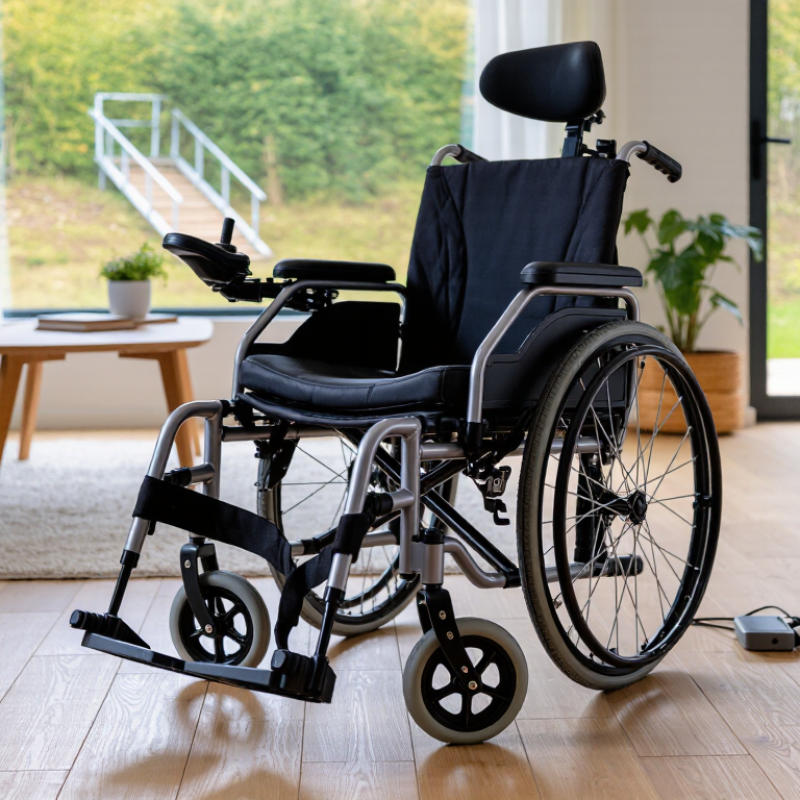
What Is a Power Wheelchair and How Does It Work?

Definition and Purpose of a Power Wheelchair

A power wheelchair is a powered mobility device designed for people who cannot move safely or efficiently with a manual wheelchair. It uses rechargeable batteries, electric motors, and a controller. A joystick usually changes speed and direction. Some controls support head, chin, or switch operation. The purpose is practical: helping a user travel, reposition, communicate, work, and participate in daily life with greater independence.

The World Health Organization and UNICEF reported that more than 2.5 billion people need assistive products worldwide. This number may rise beyond 3.5 billion by 2050. Their Global Report on Assistive Technology stresses that suitable products must match personal needs, environments, and activities. A power wheelchair is not simply a motorized seat. Seating support, pressure management, posture, transport access, and battery range also affect its usefulness.

A proper assessment considers home doorways, pavement conditions, transfer ability, and fatigue. It also checks whether the user can operate the controls reliably. Small details matter. A poorly positioned joystick can cause strain, while an unsuitable seat may reduce comfort over long periods. The definition is useful, but incomplete. A power wheelchair can improve independence, yet it cannot solve every mobility barrier. The World Health Organization’s wheelchair guidance therefore emphasizes fitting, training, maintenance, and follow-up, not equipment alone. Real-world results may still vary.

Key Components and Their Functions

What Is a Power Wheelchair and How Does It Work?

A power wheelchair uses stored electrical energy to move with controlled assistance. Its battery sends power to a controller, which interprets commands from the joystick or another input device. The controller then directs the motors near the drive wheels. Push the joystick forward, and the motors turn both wheels. Move it sideways, and the chair changes direction. Release it, and the control system usually slows the chair to a stop.

Key Components and Their Functions

The battery is the energy source, while the charger restores its capacity after use. Motors provide torque for movement, including gentle slopes and uneven indoor flooring. A durable frame supports the user, and the seating system helps position the pelvis, back, and legs. Armrests, foot supports, and adjustable cushions can improve comfort, but poor adjustment may create pressure points. Small details count.

Safety components also matter. Electromagnetic brakes help prevent unwanted movement when the joystick is released. Anti-tip wheels can reduce the risk of tipping during acceleration or on inclines. Some systems include speed settings, obstacle sensors, or tilt functions. These features are useful, but they do not replace attentive driving. A qualified therapist or technician should assess posture, control access, battery condition, and terrain needs.

I used to think a more powerful motor solved every mobility problem. It does not.

Weight balance, tire condition, and driving habits can matter just as much. Regular inspections should include cables, brakes, charging connections, and unusual motor sounds.

How the Control System Operates

What Is a Power Wheelchair and How Does It Work?

A power wheelchair uses battery energy to move two powered wheels. Its control system turns small hand movements into precise driving commands. Most models use a joystick mounted near the user’s arm. Push it forward, and the chair moves ahead. Move it gently sideways, and the chair turns gradually. Releasing the joystick usually tells the controller to stop.

Inside the system, a control module reads the joystick’s direction and pressure many times each second. It then adjusts power sent to the motors. This creates smoother movement than a simple on-and-off switch. Speed settings can limit acceleration in crowded rooms or narrow hallways. Some chairs also include attendant controls, tilt functions, or programmable seating adjustments. These features depend on the chair’s design and the user’s assessment. The system is helpful, but it is not foolproof. A wet joystick, loose connection, or weak battery can affect response. I would never assume a familiar chair will behave exactly the same every day.

Tips: Practice in an open area first. Use the lowest speed indoors. Keep fingers clear of moving parts. Check the battery indicator before leaving home. If the chair hesitates, stops unevenly, or responds late, stop using it and request a qualified inspection. A therapist or trained technician can also adjust control sensitivity, because comfort and safety are closely connected. Small changes matter.

How Power Wheelchairs Move and Turn

A power wheelchair uses rechargeable batteries, electronic controls, and electric motors to move without manual pushing. The joystick sends directional signals to a controller. That controller adjusts power to each drive wheel, often many times per second. Push forward, and both motors rotate together. Push left, and the right motor usually turns faster than the left. This difference creates a controlled turn.

Some models can turn within their own footprint. Their drive wheels rotate at different speeds, sometimes in opposite directions. This is called differential steering. It helps users navigate narrow hallways, kitchen corners, and crowded lifts. Front or rear casters support balance, but they do not usually provide the main driving force. Turning can feel smooth on level flooring. Thick carpets, slopes, and wet surfaces may change the response.

The World Health Organization’s 2022 Global Report on Health Equity for Persons with Disabilities estimates that 1.3 billion people experience significant disability worldwide.

Reliable mobility equipment therefore needs more than impressive speed. ISO 7176-6 provides recognized testing methods for wheelchair maximum speed and acceleration. In practice, users should learn gradual joystick movements and test turning space slowly. A tight pivot may be useful, but it can surprise a new user. Even experienced users misjudge corners sometimes. Batteries, tire pressure, weight distribution, and programming also affect movement. A professional assessment remains important, especially for outdoor slopes or complex seating needs.

Major Types, Features, and User Considerations

A power wheelchair is a battery-powered mobility device controlled through a joystick or alternative input. Rechargeable batteries send energy to electric motors, which turn the drive wheels. The controller changes speed and direction with small hand movements. Some users operate controls near the head, chin, or another accessible body area. Quiet movement helps in homes, clinics, and crowded public spaces.

Major types include rear-wheel, mid-wheel, and front-wheel drive models. Mid-wheel designs often turn tightly, while rear-wheel systems may feel steadier outdoors. Portable models can fold or separate into lighter sections. However, portability can reduce seat support, battery capacity, or suspension. Useful features include adjustable seating, tilt, recline, elevating leg rests, lights, suspension, and pressure-relieving cushions. More features are not always better. Complexity may increase maintenance and training needs.

User considerations should begin with posture, daily routes, transfer ability, and transportation plans. Measure doorways, elevator spaces, desk heights, and floor transitions before choosing a chair. A published travel range is only an estimate; hills, cold weather, body weight, and tire condition can reduce it. Battery care also matters. Keep charging areas dry and follow the equipment instructions. A seating specialist or occupational therapist can assess pressure risks, control access, and long-term comfort. Try the chair on carpet, ramps, and uneven pavement when possible. The first choice may still need adjustment.

FAQS

What is a power wheelchair used for?

It helps people travel, reposition, work, communicate, and join daily activities more independently. Rechargeable batteries power electric motors. A joystick usually controls movement.

Who may benefit from a power wheelchair?

It may suit people who cannot use a manual wheelchair safely or efficiently. Assessment should consider strength, fatigue, posture, transfers, and control ability. Needs differ.

How are power wheelchairs controlled?

Many use a joystick for speed and direction. Alternative controls may sit near the head, chin, or another accessible body area. Reliable operation matters.

What are the main drive types?

Rear-wheel, mid-wheel, and front-wheel designs are common. Mid-wheel models often turn tightly. Rear-wheel models may feel steadier outdoors. Test both when possible.

What features can improve comfort and support?

Adjustable seating, tilt, recline, elevating leg rests, suspension, lights, and pressure-relieving cushions can help. More features are not always better. Complexity can increase maintenance.

What should be measured before choosing a wheelchair?

Measure doorways, elevator spaces, desk heights, and floor transitions. Check carpet, ramps, and uneven pavement. A few centimeters can change daily access.

How accurate is the stated travel range?

Travel range is only an estimate. Hills, cold weather, body weight, and tire condition can reduce it. Plan routes with a safety margin.

How should the battery and charging area be managed?

Keep the charging area dry and follow the equipment instructions. Battery care affects reliability. A simple routine helps, though it may not prevent every problem.

Is the first wheelchair choice always suitable?

Not necessarily. The seat, joystick position, or support may need adjustment after real use. A seating specialist or occupational therapist can review comfort and pressure risks. Try it outdoors.

Conclusion

A Power Wheelchair is a battery-powered mobility device designed to help people who cannot move comfortably or safely with a manual wheelchair. It uses rechargeable batteries, electric motors, drive wheels, a frame, seating system, and a control interface. The seating may include adjustable support for posture, comfort, and daily positioning, while safety features help users travel with greater confidence.

The control system typically converts small movements on a joystick or alternative input device into electronic signals that regulate speed and direction. Independent motors allow the chair to move forward, backward, and turn by changing the speed of each drive wheel. Power wheelchairs may be designed for indoor use, outdoor travel, compact portability, or enhanced stability on uneven surfaces. When choosing one, users should consider battery range, turning space, terrain, seating support, transport needs, controls, maintenance, and personal comfort.

Ethan

Ethan

Ethan is a seasoned marketing professional with a deep expertise in our company's innovative product line. With a passion for sharing knowledge and insights, he takes the lead in regularly updating our corporate blog, where he explores industry trends, product features, and effective marketing......