
Choosing a wheelchair is a practical decision, not a popularity contest. The best option must match the user, terrain, body size, transport habits, and support needs.
The World Health Organization and UNICEF reported in the Global Report on Assistive Technology that more than 2.5 billion people need assistive products worldwide. This figure may exceed 3.5 billion by 2050. The report also highlights serious access gaps, especially in low-income regions. That reality makes reliable, repairable, and reasonably priced Lightweight Wheel Chairs increasingly important.
Weight matters, but it cannot stand alone. A chair weighing 10 kilograms may fit easily into a car, yet perform poorly on uneven paths. Buyers should examine folding dimensions, seat width, weight capacity, wheel design, brake access, cushion support, and warranty coverage. ISO 7176 testing standards can offer useful safety references, although certification alone does not guarantee comfort or local service.
Dr. Rory Cooper, a leading wheelchair researcher and rehabilitation expert, has described the wheelchair as “a tool for mobility and independence.” That principle should guide every comparison. A lightweight frame should make daily movement easier, not create instability or painful posture.
No list is perfect. Personal fitting still matters.
This guide reviews ten Lightweight Wheel Chairs for global buyers, including compact travel models, self-propelled designs, transport chairs, and everyday options. We consider real-world details, such as lifting a folded chair into a taxi, crossing a rough pavement, or finding replacement parts months later. Some products may appear attractive online but lack dependable after-sales support. That weakness deserves attention. Availability, user experience, and regional servicing can change the final choice more than a low listed price.
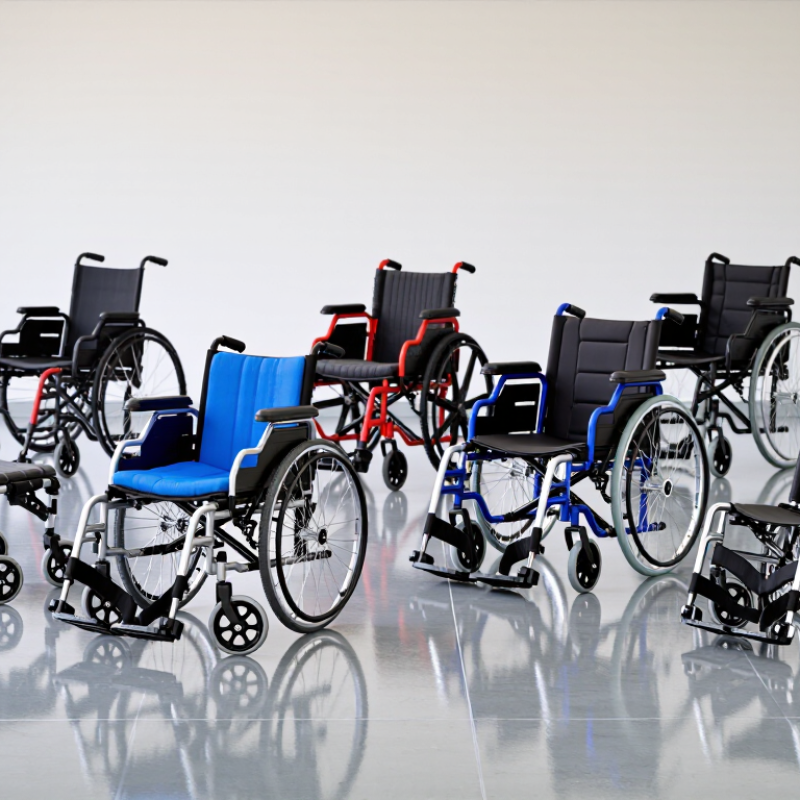
Top 10 Lightweight Wheelchairs for Global Buyers
What Defines a Lightweight Wheelchair for International Buyers
A lightweight wheelchair is not defined by a low number alone. Weight matters. For many international buyers, a practical model should be easy to lift into a vehicle, carry through airports, and store in small rooms. A transport weight near 10–15 kilograms may feel manageable, but frame balance matters too. An awkward chair can seem heavier than its specifications suggest.
Experienced buyers should check the folded dimensions, seat width, maximum user weight, and wheel design. Aluminum frames often reduce weight, while reinforced parts may improve durability. Larger rear wheels can support outdoor movement, but they may increase the folded size. Small wheels save space, yet they can struggle on uneven sidewalks. Measure twice.
Reliable product information should include tested weight limits, braking performance, corrosion resistance, and adjustment options. International users also need clear assembly instructions and access to replacement parts. A wheelchair shipped across borders may face different road surfaces, climates, and service conditions. Verify whether the seller provides measurement charts in familiar units and explains packaging dimensions accurately.
The lightest option is not always the safest choice. A narrow seat may reduce bulk but restrict comfort during longer use. A removable footrest can simplify storage, although it may be misplaced during travel. I have found that buyers sometimes focus too heavily on kilograms and overlook balance, maintenance, and caregiver strength. That approach needs reconsideration. A genuinely suitable wheelchair combines low weight, stable handling, dependable construction, and realistic support after purchase.
Representative specifications for common lightweight wheelchair categories. Actual measurements may vary by configuration, seat width, battery, and accessories.
| No. | Wheelchair Type | Typical Net Weight | Typical User Capacity | Common Seat Widths | Folded or Transport Width | Frame Material | Best Use | International Buyer Considerations |
|---|---|---|---|---|---|---|---|---|
| 1 | Transit Folding Wheelchair | 8–12 kg | 100–120 kg | 40–46 cm | 25–32 cm when folded | Aluminium alloy | Assisted transport, airports, hospitals, and short trips | Usually has small rear wheels and requires an attendant; confirm folded dimensions for vehicle or airline handling. |
| 2 | Self-Propelled Folding Wheelchair | 10–15 kg | 100–125 kg | 40–48 cm | 30–38 cm when folded | Aluminium alloy or steel-aluminium hybrid | Independent indoor mobility and everyday transport | Large rear wheels improve independence but add weight; verify push-rim design and brake accessibility. |
| 3 | Ultra-Light Rigid-Frame Wheelchair | 6–10 kg, excluding quick-release wheels | 100–120 kg | 36–46 cm | Approximately 28–36 cm with wheels removed | Aluminium, titanium, or carbon-fibre composite | Active users seeking efficient daily propulsion | Rigid frames may not fold conventionally; check lifting points, axle compatibility, and repair support in the destination market. |
| 4 | Lightweight Tilt-in-Space Wheelchair | 14–22 kg | 100–135 kg | 40–50 cm | Usually 32–42 cm when folded | Aluminium alloy | Postural support, pressure management, and longer sitting periods | Tilt mechanisms increase weight and packing volume; confirm maximum tilt angle, cushion compatibility, and caregiver access. |
| 5 | Lightweight Reclining Wheelchair | 15–24 kg | 100–135 kg | 40–50 cm | Approximately 35–45 cm when folded | Aluminium alloy with steel reclining hardware | Users requiring adjustable back support and resting positions | The reclining back changes the centre of gravity; use the anti-tip system and review shipment dimensions carefully. |
| 6 | Travel Wheelchair with Detachable Footrests | 9–13 kg | 100–120 kg | 40–46 cm | 25–34 cm when folded | Aluminium alloy | Car travel, tourism, shopping centres, and occasional use | Detachable footrests reduce packing size; check included straps, brake type, and replacement-part availability. |
| 7 | Lightweight Sports Wheelchair | 7–12 kg | 90–120 kg | 34–46 cm | Rigid frame; wheels generally removed for transport | Aluminium, titanium, or composite materials | Sport and high-manoeuvrability activities | Often configured for one user rather than general resale; confirm fit, camber, balance, and frame protection during shipping. |
| 8 | Lightweight Bariatric Folding Wheelchair | 15–25 kg | 135–225 kg | 51–66 cm | 35–48 cm when folded | Reinforced aluminium or steel | Higher-capacity everyday mobility | A higher weight rating usually increases frame mass; verify tested capacity, seat width, tyre load rating, and doorway clearance. |
| 9 | Manual Wheelchair with Attendant Brakes | 11–17 kg | 100–135 kg | 40–50 cm | 30–40 cm when folded | Aluminium alloy | Caregiver-assisted mobility on ramps and public transport | Handle-mounted brakes improve control on slopes; check cable routing, parking brakes, and compliance with local safety rules. |
| 10 | Lightweight Power-Assist Manual Wheelchair | 12–25 kg, depending on the assist unit | 100–136 kg | 40–50 cm | 30–45 cm when folded, with removable battery or drive unit | Aluminium alloy with electric assist components | Longer distances, slopes, and users needing propulsion support | Battery transport rules vary internationally; confirm voltage, charger compatibility, battery chemistry, removable-battery status, and airline approval. |
Measure seat width, leg length, and transfer space. Also check the user’s cushion and footrest position. Fit comes first.
Not necessarily. Very light frames may feel less stable for some users. A short trial can reveal problems that specifications hide.
Measure the folded dimensions, lifting points, and vehicle storage space. A compact frame helps, but weak folding joints can become frustrating.
Locking brakes should hold the chair on a gentle slope. Anti-tip supports can increase confidence during transfers. Test them carefully.
They may handle uneven pavements better. However, they can increase the chair’s width. Measure doorways, lifts, and narrow paths first.
A breathable cushion can reduce heat during warm waits. Adjustable footrests prevent dangling feet and pressure behind the knees. Posture still varies.
Confirm packed dimensions, internal padding, and moisture protection. Photograph the package and record its serial information. Delays still happen.
Check bolts, alignment, brakes, tires, and folding joints. Remove sand and salt from moving parts. Store the chair dry.
Check tire pressure weekly when pneumatic tires are fitted. Test wheel locks regularly, especially before slopes or transfers. Small noises matter.
Confirm local repair access and spare-part availability. Ask about tested weight limits and replacement footrests. Low prices can become expensive later.
Choosing among the Top 10 Lightweight Wheelchairs requires more than comparing weight alone. For international buyers, a truly lightweight wheelchair should balance portability, durability, user capacity, maneuverability, and ease of folding or transport. Common designs include manual, transit, and self-propelled models, using materials such as aluminum alloys, carbon-based composites, and reinforced steel. Comparing the leading options means examining frame construction, wheel size, folding dimensions, seat comfort, weight support, braking systems, footrests, and adjustability.
Comfort and safety are essential for daily mobility, especially when the chair is used for extended periods or on different surfaces. Buyers should also consider climate, terrain, replacement parts, warranty support, packaging, shipping costs, import requirements, and delivery times in their region. Proper maintenance, including cleaning, tire checks, brake inspection, and routine tightening of fittings, can extend service life. By evaluating these practical factors, users can select Lightweight Wheel Chairs that provide reliable mobility, convenient storage, and greater independence at home and while traveling.
