In today's fast-paced world, mobility can be a challenge for many, especially for those with limited physical abilities. A Lightweight Electric Wheelchair offers a practical solution for easy movement. This type of wheelchair combines modern technology with comfort, allowing users to navigate various environments effortlessly. These wheelchairs are designed with portability in mind, making them ideal for everyday use.
The importance of a reliable wheelchair cannot be overstated. Many users experience frustration with heavy, cumbersome models. A Lightweight Electric Wheelchair mitigates these issues, offering a more enjoyable experience. Users can travel with ease, whether in their homes or out in public. Yet, not every option available in the market may meet diverse needs or preferences.
While many lightweight models excel in portability, others may lack features or durability. It is crucial to weigh the pros and cons before making a choice. Finding the right balance between weight, functionality, and comfort is essential. They must not sacrifice quality for convenience. The right Lightweight Electric Wheelchair can enhance independence and improve quality of life. It is an investment worth considering.
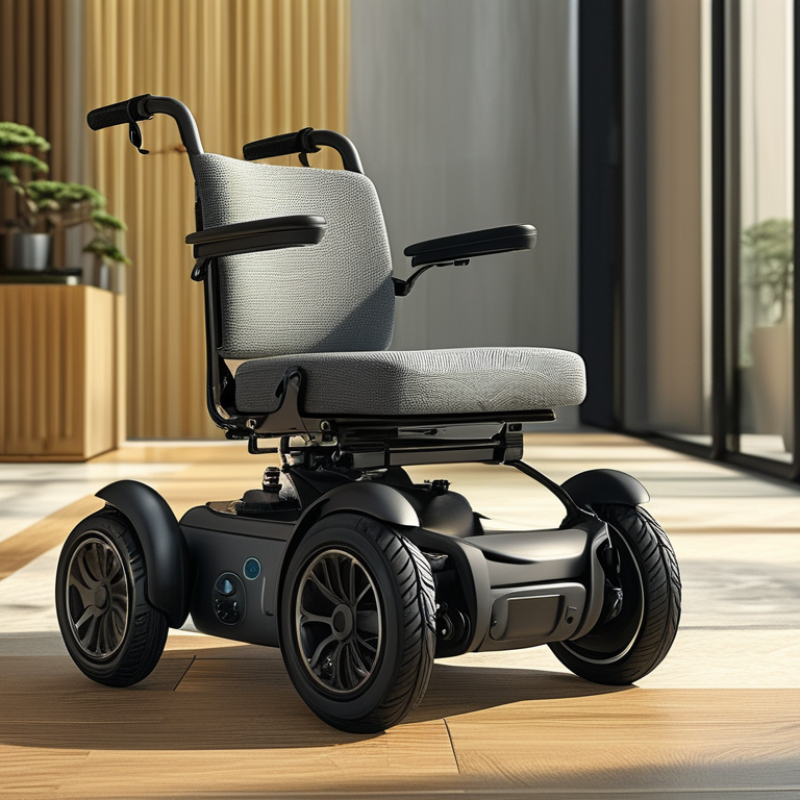
Lightweight electric wheelchairs have transformed mobility for many individuals. These chairs are designed for easy transport and maneuverability. Their compact size often allows for smooth navigation in crowded spaces. Many users appreciate the freedom they offer for both indoor and outdoor activities.
These wheelchairs typically weigh around 40 to 60 pounds, making them easy to lift. Some models can be disassembled, which adds to their portability. Battery life can vary, but most allow for several hours of use on a single charge. It is essential, however, to consider the terrain; not all lightweight models handle uneven surfaces well. Users may find that these chairs require more frequent maintenance compared to traditional options.
When it comes to safety, features like anti-tippers can help prevent falls. However, users should always exercise caution, particularly when navigating slopes. It may be tempting to rush into a purchase, but comprehensive research is vital. Real-life feedback from current users can provide insights that specifications alone do not cover. Each person's mobility needs are unique, and what works for one may not work for another.
| Model | Weight (lbs) | Weight Capacity (lbs) | Range (miles) | Speed (mph) | Battery Type | Price ($) |
|---|---|---|---|---|---|---|
| Model A | 50 | 300 | 15 | 4 | Lithium-ion | 1200 |
| Model B | 45 | 250 | 12 | 5 | Lead-acid | 950 |
| Model C | 55 | 350 | 10 | 6 | Lithium-ion | 1100 |
| Model D | 60 | 400 | 18 | 4.5 | Lead-acid | 1300 |
When considering lightweight electric wheelchairs, several key features significantly impact mobility and user experience. Weight plays a crucial role; a lighter design allows for easier transport and maneuverability. Many models weigh under 50 pounds, which enables users to lift and store them without much effort. This can be a game-changer for individuals who frequently travel or navigate tight spaces.
Battery life is another essential aspect. A robust battery ensures extended use, reducing the need for frequent recharging. Look for models that offer a range of at least 15 miles on a single charge. This distance can help users remain active throughout the day without the worry of finding an outlet.
Moreover, consider adjustable seating and ergonomic designs. Comfort is paramount during prolonged use. A good chair should provide proper lumbar support, allowing users to maintain healthy posture. However, some models may compromise on padding to save weight. Testing different options is advisable before making a decision. Remember to weigh the pros and cons carefully. Each feature enhances certain aspects but may also introduce limitations.
Lightweight electric wheelchairs have transformed mobility for many people. Their design focuses on making transportation easier. According to the National Institute on Disability, about 2.7 million Americans use wheelchairs for mobility. Among them, many prefer lightweight models. These provide users with the freedom to navigate various environments with less physical strain.
One significant advantage is enhanced portability. A lightweight electric wheelchair can weigh as little as 50 pounds. This makes it easier for users to transport in cars or on public transport. In fact, surveys indicate that 75% of users find lightweight models more convenient for travel. However, some may question the durability of lighter materials. Designers aim for a balance between weight and strength, yet concerns do persist.
Battery life is another critical factor. Many lightweight models feature efficient batteries that can provide up to 20 miles of range on a single charge. Users should still consider their daily travel needs. Reflecting on personal experiences, some find that even top models can fall short during extended outings. These aspects highlight the ongoing need to improve electric wheelchairs while ensuring user satisfaction.
Lightweight electric wheelchairs are revolutionizing mobility for many individuals. These models offer practical solutions for users seeking independence and ease of movement. According to a recent report by the World Health Organization, over 1 billion people globally require assistive devices. Lightweight electric wheelchairs have emerged as vital tools, providing better accessibility and freedom.
When considering the top models available, users often emphasize weight and portability. Many lightweight electric wheelchairs weigh under 50 pounds, allowing for easy transport. Studies suggest that users prefer wheelchairs that can be folded easily and stored in compact spaces. A survey by Mobility International indicated that 72% of users prioritize ease of transport when selecting wheelchairs. This highlights a crucial need for manufacturers to focus on user-friendly designs.
However, not all models meet the diverse needs of users. Some lightweight options may sacrifice comfort for weight. Issues such as battery life and durability also require reflection. A comprehensive evaluation of different models can be challenging. As the market expands, addressing these concerns remains essential to ensure enhanced user satisfaction and overall functionality.
Maintaining a lightweight electric wheelchair is essential for optimal performance and longevity. Regular care can prevent common issues that may disrupt mobility. Here are some practical tips.
Start by checking the battery regularly. Ensure it is charged and clean connections are free from corrosion. A weak battery may lead to unexpected stops. Inspect the wheels for wear and tear. Smooth mobility depends on well-functioning wheels. If you notice any cracks or bald spots, consider replacements.
Cleaning your wheelchair is equally important. Use a damp cloth to wipe down surfaces and avoid harsh chemicals. Dust accumulation can affect the electrical components. Additionally, lubricate moving parts to ensure they operate smoothly. This reduces wear and extends the life of the chair.
Don't forget to check the brakes. They should engage quickly when pressed. If they feel loose or unresponsive, it can pose a safety risk. Regular maintenance not only improves safety but also enhances the overall experience. Address minor issues promptly; neglect can lead to more significant problems down the line.
: They are designed for easy transport and maneuverability. Users enjoy greater freedom outdoors and indoors.
Most models weigh between 40 to 60 pounds. This makes lifting easier for many users.
Yes, some models can be taken apart. This feature enhances portability for travel.
Battery life varies. Look for models that last several hours and cover at least 15 miles per charge.
Not necessarily. They may struggle on uneven surfaces. Users should consider their typical environments.
Look for features like anti-tippers. Caution is essential, especially on slopes.
Real-life experiences offer insights that specs might miss. Different users have diverse mobility needs.
Weigh the pros and cons of features. Comfort and weight often trade-offs can affect your decision.
No, some may lack sufficient padding. Testing different options is recommended for the best fit.
Lightweight electric wheelchairs are revolutionizing mobility solutions for individuals seeking independence and ease of movement. These chairs are designed to be portable and user-friendly, making them ideal for those who require a reliable mobility aid. Key features to consider when selecting a lightweight electric wheelchair include weight capacity, battery life, maneuverability, and comfort.
The benefits of using a lightweight electric wheelchair extend beyond mere transportation, providing users with increased freedom and accessibility in both indoor and outdoor environments. Additionally, regular maintenance is crucial to ensure the longevity and optimal performance of your lightweight electric wheelchair. With various models available in the market today, users are equipped with plenty of options to find the perfect match for their mobility needs.