
Choosing the right E-Wheelchair manufacturer requires more than comparing prices on a crowded marketplace. Global buyers must examine product quality, production experience, technical support, and after-sales reliability. A wheelchair may look impressive in photographs, yet perform poorly on steep ramps or uneven pavements. Real value appears during daily use.
This guide introduces leading E-Wheelchair manufacturers serving international markets. It considers factory capabilities, battery performance, motor efficiency, frame durability, customization options, and export experience. Details matter. Look for clear specifications, responsive communication, traceable quality procedures, and practical warranty terms. Manufacturers with recognized testing systems and consistent documentation usually offer greater confidence, although certifications should still be verified independently.
Comfort matters too.
A suitable model should match the user’s posture, mobility needs, climate, and transportation habits. For example, a compact folding chair may fit an airline cabin transfer better, while a heavy-duty model may handle outdoor routes more safely. Buyers should also confirm charger compatibility, replacement-part availability, packaging protection, and local service arrangements before placing an order.
No ranking is perfect. Market conditions change, and some published specifications may require further checking. Factory visits, sample orders, video inspections, and direct discussions with engineers can reveal weaknesses that brochures hide. The manufacturers discussed here are evaluated through practical purchasing considerations, not promotional language alone. This approach helps distributors, healthcare suppliers, and individual buyers make more informed decisions while reducing avoidable risks in international sourcing.
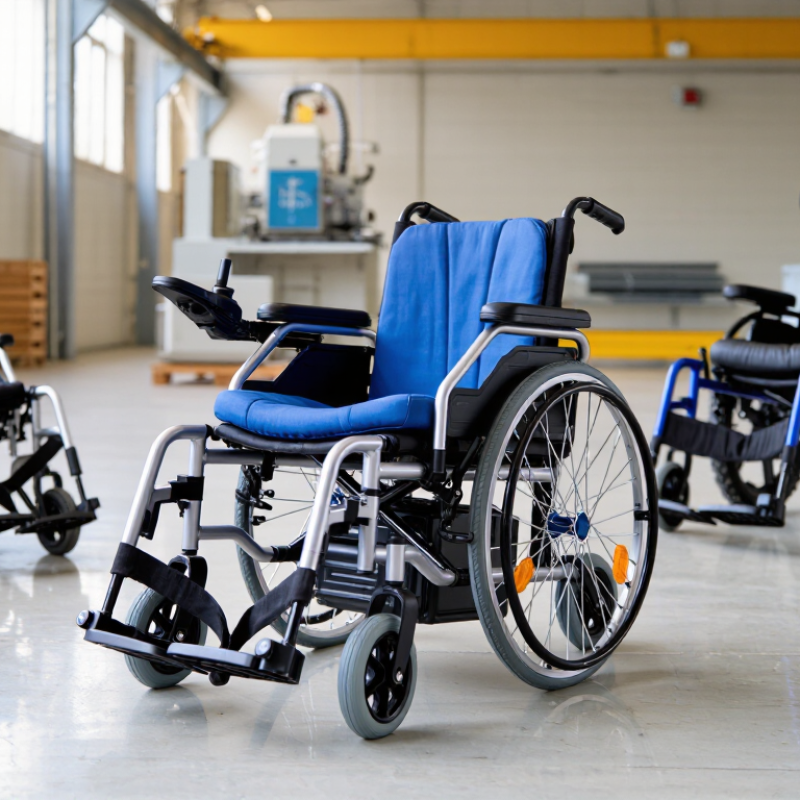
Top E Wheelchair Manufacturers for Global Buyers
What Defines a Leading Electric Wheelchair Manufacturer
A leading electric wheelchair manufacturer begins with real user experience, not attractive specifications. Engineers should study daily routines, caregiver feedback, and therapist recommendations. A narrow doorway, wet pavement, or uneven ramp can expose weaknesses quickly. Small details matter.
Professional manufacturers explain motor performance, battery capacity, charging time, and safe weight limits clearly. They use documented testing procedures and maintain traceable quality records. Independent verification adds credibility, especially when buyers compare products across countries. However, laboratory results do not always match real streets. That difference deserves honest discussion.
Reliable manufacturers also provide practical customization. Adjustable seating, supportive cushions, responsive controls, and transport-friendly frames can improve everyday independence. Service quality is equally important. Buyers need clear manuals, replacement-part access, trained technicians, and responsive communication after delivery. A confident supplier should discuss maintenance intervals and common failure points without hiding inconvenient information.
No wheelchair suits every user. That is the uncomfortable part. A longer battery range may increase weight, while a lighter frame can reduce stability. Manufacturers that acknowledge these trade-offs appear more trustworthy than those promising perfection. Global buyers should review user trials, warranty terms, technical documents, and local service arrangements before choosing a supplier. A leading manufacturer earns confidence through evidence, careful listening, and consistent support over time.
Many models use brushless motors, lithium-ion batteries, and programmable joystick controls. These features support smoother starts and tighter indoor turns. Useful, but not magical.
Check tested range under realistic conditions, not only advertised distance. Slopes, cold weather, loose ground, tire pressure, payload, and frequent stops reduce range. Real life differs.
Look for anti-tip wheels, electromagnetic brakes, adjustable speed limits, and fault alerts. These features can reduce everyday risks near ramps, corners, and uneven paths. No system removes every hazard.
Tilt-in-space and reclining functions may support posture and pressure management. Their benefits vary between users and seating designs. Ask for independent testing instead of trusting comfort claims alone.
Check seat width, turning radius, ground clearance, user weight capacity, and tested battery range. Folded dimensions matter when loading the chair into a vehicle. Measure the doorway too.
Request factory audit records, quality procedures, warranty terms, and recent export experience. Verify certificates, their scope, issuing body, and expiration date. Photos prove very little.
Confirm whether certification covers the complete wheelchair, battery, and charger. Check the declaration of conformity and electrical safety reports. Different regions may require different approvals.
Ask whether local technicians can obtain motors, controllers, and batteries within weeks. Replaceable batteries and clear maintenance guidance can matter more than connectivity features. Apps cannot repair hardware.
Include shipping, customs, training, charging compatibility, maintenance, and future repairs. A lower purchase price may become expensive later. I might underestimate local service costs.
Battery monitoring and service alerts can help users track maintenance. However, they are not essential for every person. Manual checks still matter. Reliability should come first.
Choosing the right E-Wheelchair manufacturer requires more than comparing product prices. A leading manufacturer typically demonstrates strong engineering capabilities, consistent quality control, reliable production capacity, and a clear understanding of international market requirements. Modern electric wheelchairs may include compact folding designs, intelligent control systems, adjustable seating, long-lasting batteries, safety braking, suspension, and user-friendly accessories. Buyers should also evaluate whether manufacturers provide customization options, technical documentation, product testing, and certifications suitable for the destination market.
International buyers should compare manufacturers and models according to performance, durability, comfort, usability, warranty terms, and compliance with recognized global safety standards. Pricing can vary based on materials, battery type, motor power, customization, order volume, and shipping arrangements. Delivery schedules may depend on production capacity, component availability, and customs procedures. Strong after-sales support, including spare parts, troubleshooting guidance, training, and responsive communication, can significantly reduce long-term ownership costs. A careful assessment of these factors helps buyers select a dependable E-Wheelchair supplier that supports safe use, stable delivery, and sustainable cooperation.
