China Top Automated Wheelchair Manufacturers and Suppliers

Time:2026-11-10 Author:Mason
0%

China has a diverse manufacturing base for powered mobility products, including the Automated Wheelchair. For buyers, the challenge is not simply finding a supplier. It is checking whether a product’s design, controls, and support match the needs of its intended users. A wheelchair may look capable in a product photo, yet daily comfort depends on details such as seat adjustment, turning space, battery access, and the feel of the joystick.

This guide introduces China’s automated wheelchair manufacturers and suppliers, with practical points to consider when comparing them. Look closely at product specifications, customization options, quality-control processes, and after-sales arrangements. Ask for clear information about operating range, charging time, load capacity, terrain suitability, and available service parts. Where possible, review product documentation and arrange a sample evaluation or demonstration. Small details matter. A control panel that feels intuitive indoors may be harder to use on a slope or in a crowded corridor.

Supplier claims should be checked rather than accepted at face value. Confirm which company makes the wheelchair, which acts as a trading intermediary, and who handles technical support. Request current test records and written warranty terms, and clarify how replacement components are supplied. Requirements can differ by destination and user setting, so buyers should verify applicable product and import requirements independently. No supplier is perfect. Even a careful comparison cannot predict every maintenance issue, but it can reveal unanswered questions before an order is placed.
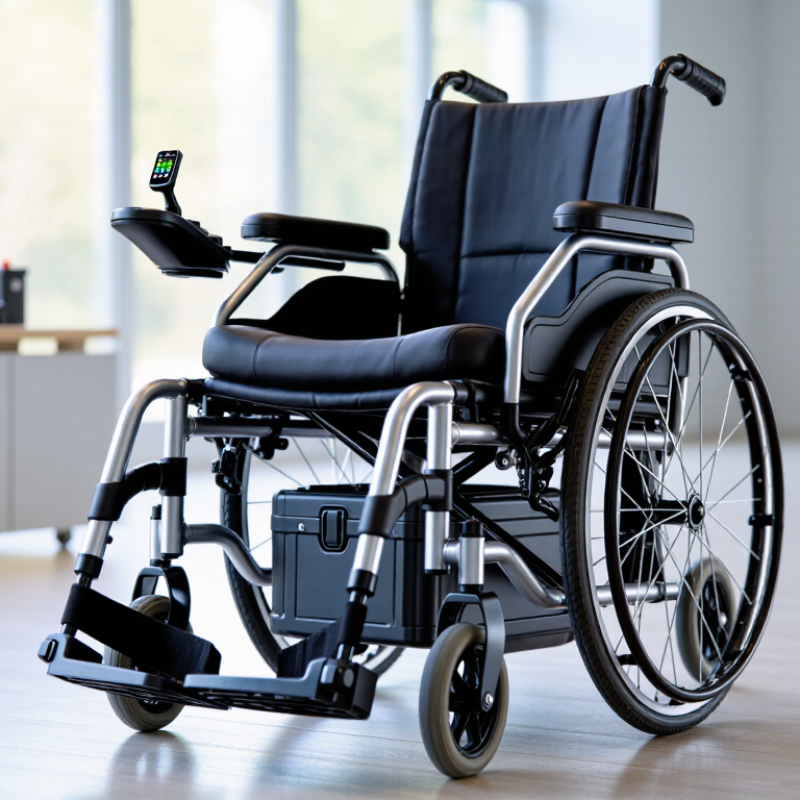
China Top Automated Wheelchair Manufacturers and Suppliers

China’s Automated Wheelchair Market: Product Types and Buyer Segments

China’s automated wheelchair market covers several practical product types. Compact indoor models use tight turning radii for apartment corridors and clinic rooms. Outdoor versions often have larger wheels, stronger frames, and suspension suited to uneven paths. Folding designs reduce storage space, though buyers should check folded dimensions and lifting weight before ordering. Some models offer attendant controls or adjustable seating. Features vary by configuration.

The buyer is not always the person who uses the chair. Individuals and families often prioritize comfort, transfer ease, battery access, and service availability. Rehabilitation centers may need adjustable seating and controls that staff can learn quickly. Elder-care facilities tend to value durable components and straightforward maintenance across multiple units. Importers and distributors usually compare documentation, customization options, spare-parts supply, and production capacity. Details matter.

In supplier discussions, ask for realistic range figures under stated load and terrain conditions. A smooth showroom floor can hide limits on ramps, rough paving, or long daily routes. Request a sample specification sheet and clarify which accessories are included. Some specifications remain unclear until confirmed in writing; that is worth addressing early. A wheelchair may look capable, yet still fit poorly through a user’s doorway.

China’s Automated Wheelchair Market: Product Types and Buyer Segments

Indicative product-to-buyer fit across common powered wheelchair categories. Scores are qualitative (1 = lower fit, 5 = higher fit), not measured sales, market shares, or survey results.

Buyer segments shown: individual home users, care facilities, and rehabilitation providers. Actual suitability depends on user needs, product specifications, and local procurement requirements.

How Smart Wheelchairs Work: 24 V Systems, Motors, Sensors, and Controls

Smart wheelchairs turn joystick movement into controlled motion through a battery, controller, motors, and sensors. Many models use a nominal 24 V system, often supplied by two 12 V batteries connected in series. The controller adjusts power to geared motors, helping the wheels start, turn, and climb modest obstacles. ISO 7176-14:2022 specifies safety and performance requirements for powered wheelchair control systems. The WHO and UNICEF Global Report on Assistive Technology (2022) estimates that 2.5 billion people need one or more assistive products; that figure could reach 3.5 billion by 2050. The need is substantial.

Sensors add useful feedback, but their functions vary. Wheel encoders can track rotation, while current and temperature sensors help detect abnormal motor loads. Some chairs also use obstacle-detection sensors; these should support, not replace, attentive driving. A 24 V label alone tells little about practical range. Battery capacity, rider weight, terrain, tire pressure, and stop-start use all matter. A smooth hallway test may not predict a rough outdoor route.

Tips: Check battery condition, tire pressure, and joystick response during routine maintenance. Ask a qualified technician to investigate sudden power loss or unusual motor heat. Sensor coverage can be imperfect, so leave room around furniture and door frames.

China’s Manufacturer Landscape: OEM, ODM, and Export Capabilities

China’s automated wheelchair sector includes factories offering OEM production, ODM development, and export support. OEM projects typically adapt an existing platform to a buyer’s specifications, such as seat width, joystick placement, or battery capacity. ODM work may involve earlier design input, but buyers should clarify who approves drawings and changes. Capabilities vary. A polished sample does not prove consistent production quality.

For export orders, discuss more than unit price. Ask how suppliers inspect motors, brakes, wiring, and battery systems before packing. Request clear test records, assembly instructions, spare-parts lists, and details about packaging for long-distance shipping. Confirm who handles product documentation and communication if a shipment is delayed. These checks can reveal gaps early. They cannot remove every risk, and smaller suppliers may have limited after-sales capacity.

Tips: Share a written specification and ask for a sample inspection before mass production. Compare response times and evidence, not just promises. One detail buyers sometimes overlook is replacement-part availability; it can matter long after delivery.

Safety and Performance Benchmarks: GB/T 12996 and ISO 7176-14

For China’s automated wheelchair suppliers, GB/T 12996 and ISO 7176-14 offer more useful evidence than a broad “safety tested” claim. GB/T 12996 sets product requirements for electric wheelchairs, while ISO 7176-14 addresses the safety and performance of powered wheelchair control systems. Ask for test reports tied to the exact model and configuration, including its controller, motors, and battery. Small changes matter.

The WHO and UNICEF Global Report on Assistive Technology (2022) estimates that 2.5 billion people need one or more assistive products, with nearly one billion lacking access. This is not a wheelchair-only figure, but it highlights why dependable performance matters beyond the factory floor. Buyers should check how a chair responds during powered operation, whether faults trigger safe behavior, and whether test conditions match intended use. A report without clear model identification is weak evidence.

Suppliers can also provide traceable records for production inspections and corrective actions, not just a certificate. Compare documents against the applicable editions of both standards, and confirm that tested options match the delivered chair. Paper compliance is not enough. Real-world routes include wet entrances, uneven paving, and repeated starts on ramps; a lab report cannot represent every user or surface. That gap deserves honest discussion.

Supplier Comparison Metrics: Range, Rated Load, Gradeability, and Warranty

When comparing automated wheelchair manufacturers and suppliers in China, ask for the same test details from each. A quoted travel range means little without the battery capacity, occupant weight, terrain, and speed used during testing. Request a realistic estimate for mixed indoor and outdoor use, not only a best-case figure. Numbers need context. A short demonstration on a smooth showroom floor cannot represent a full day of travel.

Check rated load against the intended user, clothing, bags, and fitted accessories. Then compare gradeability: the stated maximum slope should include test conditions, surface, and load. A ramp’s angle can feel very different when wet or uneven, so maximum figures are not everyday targets. Ask suppliers for a test report or clear operating guidance. Even a tidy comparison sheet can hide important differences; I would not treat it as a verdict.

Warranty terms deserve the same attention as performance. Confirm coverage periods for the frame, battery, motors, and controls, plus exclusions and the process for repairs. Ask who handles replacement parts and how service requests are managed after delivery. Get these details in writing. A longer warranty may sound reassuring, but its value depends on practical coverage and response arrangements. Compare the wording, not just the number of years.

FAQS

What types of automated wheelchairs are commonly available?

Compact indoor models turn easily in apartment corridors and clinic rooms. Outdoor models often have larger wheels, stronger frames, and suspension. Folding models save storage space.

What should I check before choosing a folding wheelchair?

Check its folded dimensions and lifting weight. Measure the doorway and storage area, too. I would still recheck those measurements; they are easy to miss.

Who typically buys or selects these wheelchairs?

Individuals and families often focus on comfort, transfers, battery access, and service. Rehabilitation centers may need adjustable seating and controls staff can learn quickly.

How does a powered wheelchair move?

A joystick sends commands to a controller, which regulates power to the motors. Many models use two 12 V batteries in series for a nominal 24 V system.

Do sensors prevent collisions?

Sensors may detect obstacles or monitor wheel rotation, motor load, and temperature. They support attentive driving, but sensor coverage can be imperfect. Leave space around door frames.

What affects a wheelchair’s real-world travel range?

Battery capacity, rider weight, terrain, tire pressure, and stop-start driving all matter. Numbers need context. A smooth hallway test may not predict a rough outdoor route.

How should I compare load capacity and slope performance?

Include the user, clothing, bags, and fitted accessories when checking rated load. Ask for gradeability test conditions, including surface and load. A wet, uneven ramp can feel very different.

What should a wheelchair warranty and service plan cover?

Confirm coverage for the frame, battery, motors, and controls, plus exclusions and repair procedures. Ask about spare parts and service response after delivery. Get details in writing.

Conclusion

China’s Automated Wheelchair market serves a range of users and buyers, from individuals seeking greater independence to care providers and mobility-equipment distributors. Product options may include compact models for indoor use and sturdier designs intended for varied terrain. Many smart wheelchairs use 24 V electrical systems, with motors providing movement and sensors and user controls supporting steering, speed adjustment, and obstacle awareness. Buyers should consider how a chair’s features match the user’s needs, surroundings, and daily routines.

Chinese manufacturers may offer OEM and ODM services, along with export support for different markets. When comparing suppliers, buyers can review product documentation and assess safety and performance against relevant benchmarks, including GB/T 12996 and ISO 7176-14. Practical comparison points include stated travel range, rated load, gradeability, warranty terms, and the availability of service and replacement parts. These factors can help buyers evaluate overall suitability and supplier reliability.

Mason

Mason

Mason is a seasoned marketing professional with a deep expertise in the company's offerings and a passion for driving brand awareness. With a strong background in digital marketing strategies, he has an innate ability to connect with diverse audiences and effectively communicate product benefits.......