
Choosing an Ultra Lightweight Wheelchair is not simply a race for the lowest number on a product page. It is a practical decision about movement, posture, transport, and daily independence. The World Health Organization and UNICEF reported in Global Report on Assistive Technology (2022) that more than 2.5 billion people need at least one assistive product. This number may reach 3.5 billion by 2050. Yet access remains unequal, especially in low- and middle-income countries. A lighter wheelchair can reduce lifting effort, but weight alone does not guarantee comfort or safety.
Dr. Rory Cooper, a leading wheelchair researcher and founder of the Human Engineering Research Laboratories, has said, “A wheelchair is not a sign of disability; it is a sign of mobility.” That idea should guide every comparison. Look closely at frame material, seat width, footrest design, wheel position, folding mechanism, and brake access. A 10-kilogram chair may look attractive beside a 14-kilogram model. However, an unsuitable seat can create pressure points after only twenty minutes. Small details matter.
There is no perfect chair.
The best Ultra Lightweight Wheelchair fits the user’s body, routine, and environment. Consider car transfers, narrow doorways, uneven pavements, ramps, and storage space. Check published weight limits and testing information. Ask whether the stated weight excludes wheels, cushions, or footrests. That detail is easy to miss. This guide will compare essential specifications, real-world usability, and professional safety considerations, helping readers make a more informed choice rather than trusting marketing language alone.
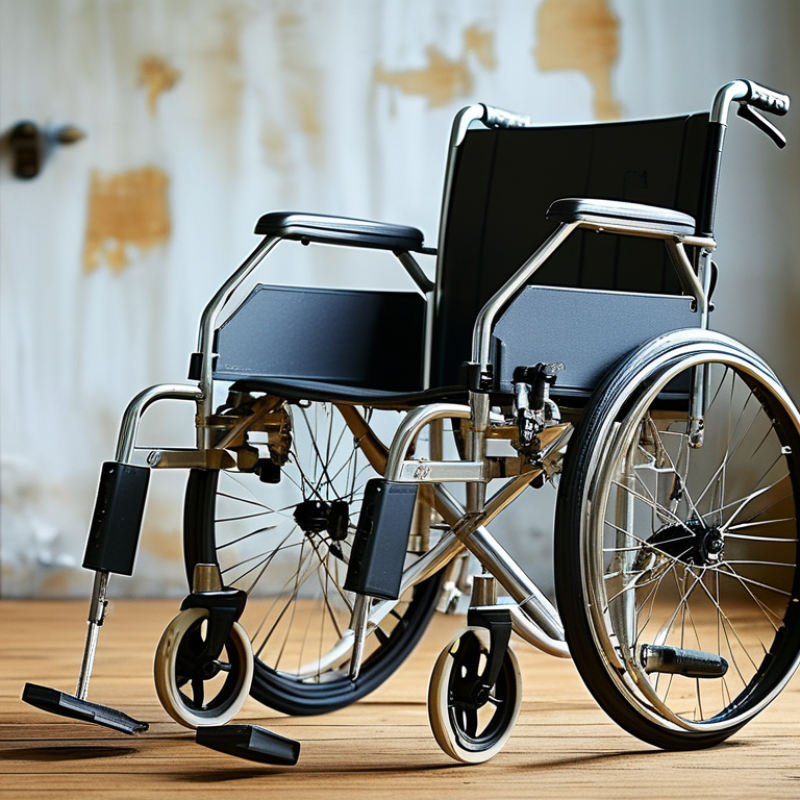
How to Choose an Ultra Lightweight Wheelchair?
Choosing an ultra lightweight wheelchair starts with your real daily routine, not its advertised weight. Consider where you travel, who handles the chair, and how often you transfer. A narrow hallway, a steep driveway, or a crowded bus can change your needs quickly. Measure doorways, desk heights, vehicle storage areas, and turning spaces before making a decision. These details often matter more than a few pounds.
Think about your strength and mobility throughout the day. If you self-propel, check the wheel position, push-rim reach, and seat width. If a caregiver pushes you, handle height, braking control, and balance become important. Outdoor users should examine tire design and frame stability. Indoor users may value a tighter turning radius. A lightweight frame can help with lifting, but it may not suit rough surfaces or long sitting periods. I once assumed lighter always meant better. That assumption needs more thought.
Tips: Write down three typical trips, such as a grocery visit, a medical appointment, and a family outing. Test the chair on similar surfaces if possible. Sit for at least fifteen minutes. Notice pressure, posture, and shoulder effort. Ask a qualified seating professional to check footrest length, cushion support, and pelvic alignment. Do not ignore small discomforts. They can become daily problems. Also, review the chair’s folding method with the person who will actually load it. Fancy features are useless if the process feels awkward or unsafe.
| Daily Mobility Need | Typical Usage Scenario | Suggested Chair Type | Practical Weight Target | Recommended Seat Width | Key Features to Prioritize | Important Selection Considerations |
|---|---|---|---|---|---|---|
| Occasional indoor mobility | Moving around the home, apartment, clinic, or care facility for short periods | Transit or compact manual wheelchair | Approximately 8–13 kg without detachable components | 38–46 cm | Compact frame, swing-away footrests, padded armrests, easy maneuverability | Measure doorways, elevators, bathroom access points, and turning areas before purchase. |
| Regular assisted transportation | A caregiver pushes the user to appointments, shopping areas, or social activities | Transport-focused lightweight wheelchair | Approximately 9–14 kg | 41–46 cm | Push handles, attendant brakes, compact folding design, secure foot support | Confirm that the caregiver can lift the folded chair safely into a vehicle. |
| Independent self-propulsion | Daily movement on smooth indoor floors, sidewalks, and accessible public areas | Lightweight self-propelled manual wheelchair | Approximately 10–15 kg | 41–51 cm | Large rear wheels, adjustable axle position, efficient hand rims, responsive brakes | Very low weight is useful, but wheel position, seat height, and posture strongly affect propulsion effort. |
| Frequent vehicle travel | Loading the wheelchair into a car several times per week | Folding ultra-lightweight wheelchair | Preferably below 12 kg, depending on configuration | 38–46 cm | Quick-fold mechanism, removable wheels, compact folded dimensions, carry handles | Compare the folded height, width, and length with the vehicle’s actual storage space. |
| Long periods of daily sitting | Using the wheelchair for several hours at work, school, or community activities | Lightweight comfort-oriented wheelchair | Approximately 11–17 kg | Seat width should match hip width plus about 2–5 cm | Pressure-distributing cushion, adjustable back support, stable footrests, breathable upholstery | Seat fit and posture support are more important than choosing the absolute lightest frame. |
| Outdoor trips on paved surfaces | Sidewalks, shopping centers, parks, and accessible transport stations | Lightweight all-purpose manual wheelchair | Approximately 11–16 kg | 41–51 cm | Durable casters, reliable wheel locks, anti-tippers, puncture-resistant tires | Small front casters may be easier indoors but can perform less smoothly on uneven pavement. |
| Limited upper-body strength | The user needs to conserve energy or cannot propel efficiently for long distances | Attendant-propelled or power-assist-compatible chair | Approximately 10–18 kg before optional equipment | Based on measured hip width and clothing clearance | Low rolling resistance, ergonomic push handles, attendant brakes, balanced frame | Consider total system weight, including batteries or power-assist equipment, if applicable. |
| Occasional use with changing caregivers | Family members, healthcare staff, or different attendants handle the chair | Simple folding transport wheelchair | Approximately 9–15 kg | 38–46 cm | Intuitive folding points, clear brake controls, stable seating, easy-clean materials | Controls should be easy to identify and operate without extensive training. |
| Need for posture and pressure management | Users at elevated risk of discomfort, sliding, or pressure-related skin problems | Adjustable lightweight wheelchair | Approximately 12–20 kg depending on support components | Must be professionally fitted | Adjustable seat depth, back angle, cushion compatibility, pelvic positioning support | A qualified clinician or seating professional should assess posture, skin protection, and pressure distribution. |
| Travel by bus, train, or aircraft | Using public transportation and handling the chair in terminals or stations | Portable travel wheelchair | Preferably below 12 kg for frequent handling | 38–46 cm, subject to user fit | Secure folding locks, removable accessories, compact profile, durable frame joints | Check transport rules, tie-down requirements, battery restrictions, and handling procedures in advance. |
Weight ranges are typical planning guidelines for manual wheelchairs and can vary with seat size, frame material, wheels, cushions, footrests, and other accessories. Always verify the manufacturer’s measured configuration and the user’s maximum weight capacity before making a purchase.
: Measure while wearing normal indoor clothing. Allow about 2.5 centimeters on each side. Too much space may reduce pelvic stability and make pushing harder.
Sit upright with the intended cushion installed. The seat should support your thighs without pressing behind your knees. Leave space for two or three fingers near the calf.
No. Lightweight does not always mean suitable. A very light frame may flex, reducing control during movement. I once prioritized transport weight and missed shoulder fatigue. That was a useful mistake.
Check the back height, cushion firmness, footrest position, and arm support together. Limited trunk control may require a more supportive back. Active users may prefer greater freedom.
Try ramps, door thresholds, and uneven pavement. Check whether the front casters flutter during faster movement. Test several minutes of self-propulsion. A showroom turn proves little.
Larger rear wheels usually handle small thresholds more smoothly. Smaller casters can improve indoor turning but may catch on rough pavement. The best arrangement depends on your usual routes.
Check welds, folding joints, and footrest attachments. They should feel firm, without rattling or sharp movement. Ask for strength-test evidence, not only weight figures.
Notice pressure beneath the thighs, hip rubbing, and sliding during turns. Record posture after thirty minutes, not only after sitting briefly. Early comfort can be misleading. Recheck the fit after adjustments.
Choosing an Ultra Lightweight Wheelchair starts with understanding your mobility needs, daily routines, and typical environments. Consider whether it will be used mainly indoors, for travel, or across uneven outdoor surfaces. Compare the chair’s overall weight, folding mechanism, and portability to ensure it can be lifted, stored, and transported conveniently. Seat width, depth, cushioning, back support, and footrest design should also match the user’s body and comfort requirements, especially during extended use.
A strong yet lightweight frame is essential for reliable performance. Review the wheel configuration, turning radius, braking system, and maneuverability to determine how easily the wheelchair can move through narrow spaces and different surfaces. Safety features such as secure locks, stable seating, and adjustable supports can improve confidence during everyday use. Finally, consider cleaning, routine maintenance, replacement parts, and the total cost over time. The best choice balances portability, durability, comfort, safety, and practical value rather than focusing on weight alone.
