In the realm of mobility solutions, the "Portable Power Chair" stands out as a revolutionary option. Dr. Emily Carter, a renowned expert in adaptive technology, emphasizes, "A power chair should offer independence and confidence." Her insights underline the essence of portability in enhancing life quality.
When seeking the best portable power chair, factors like weight, battery life, and ease of use are essential. Many users find themselves overwhelmed by choices that promise everything but deliver only complicity. A chair should not just be lightweight; it must also fold easily for transport. Comfort is crucial, yet many designs overlook adequate seating for sustained use.
Personal experiences vary widely. Some find great satisfaction in their power chairs, while others express frustration over functionality and support. Each user’s journey with a portable power chair is unique. Ensuring that they enhance mobility without compromise is critical. A power chair should empower its user, not limit their experiences.
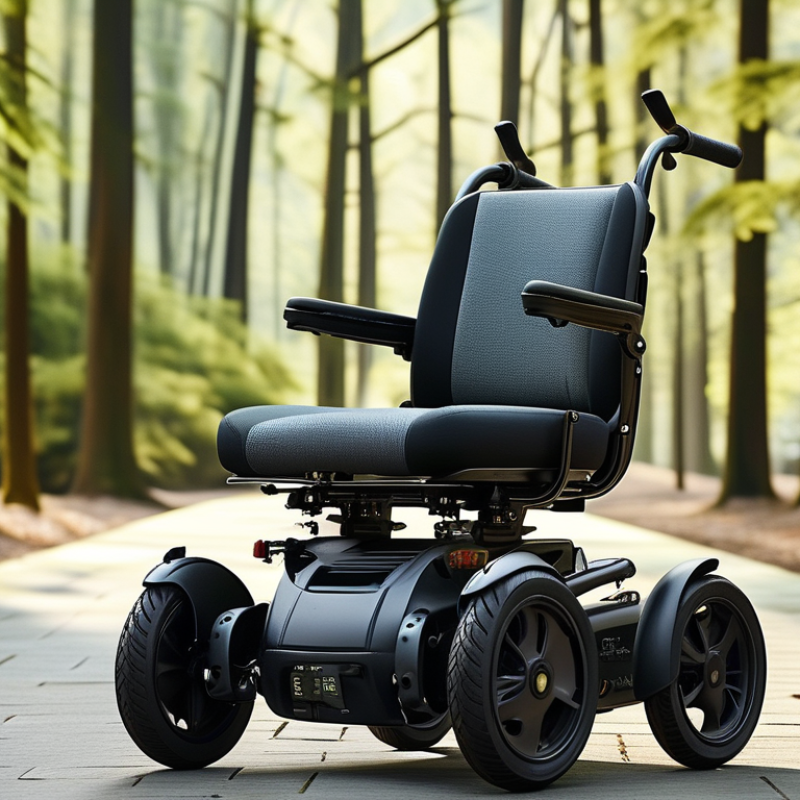
Portable power chairs offer remarkable mobility and comfort for individuals with mobility challenges. These chairs are designed for ease of use, making them suitable for various environments. A lightweight frame allows for easy transport. Many models can fold up or disassemble quickly. This is a game changer for those who travel often. The small size fits in most cars, giving users independence.
When considering features, look for adjustable seating. This ensures comfort during long periods of use. Cushioned seats and back support can transform a mundane ride into a pleasant experience. Battery life is crucial. A longer battery ensures less downtime. Some chairs offer customizable speed settings, catering to different user needs. Quick access to controls adds to the overall user experience.
While these chairs are beneficial, they do come with challenges. Not all terrains suit every power chair. Users may find navigating rough ground difficult. Additionally, weight limitations can restrict users. It's important to test chairs before purchasing. Reflect on personal needs and preferences. This can make a significant difference in overall satisfaction.
Portable power chairs come in various types, designed to enhance mobility and comfort for users. Understanding these options is crucial when selecting the best fit for individual needs. There are foldable power chairs, which are lightweight and easy to transport. These chairs can be folded down and stored conveniently. They are perfect for short trips and outings.
Another option is the heavy-duty power chair, catering to users with specific mobility challenges. These chairs often have robust frames and greater weight capacity. They provide stability and support but can be bulkier. Many users feel anxious about their maneuverability in tight spaces. Some models may struggle in outdoor environments, which is a significant concern.
Lastly, there are all-terrain power chairs. These chairs are specifically designed for rugged surfaces. They often feature larger wheels and enhanced suspension. Users can navigate through grass, gravel, or uneven paths. However, they can be heavier and less portable. These factors may make some users hesitant to choose them. Even with the right information, making the perfect choice can be quite challenging due to varying personal needs.
When selecting a portable power chair, comfort and mobility are crucial. A recent industry report indicates that nearly 78% of users prioritize comfort when choosing mobility aids. Factors like seat height, cushion material, and weight distribution significantly affect user experience. Look for models with adjustable seating to improve individual comfort levels.
Another key consideration is weight. Lightweight models are easier to transport. Many portable chairs weigh around 50 pounds or less, making them manageable for those with limited strength. However, they may compromise stability. Assess your individual needs carefully to strike the right balance.
Tips: Always test the chair for maneuverability in tight spaces. Real-world conditions matter more than ratings. Check the battery life for your desired range, as some chairs may need frequent recharges. Battery performance can vary dramatically, so having a backup plan is wise.
| Feature | Importance | Description | Example Values |
|---|---|---|---|
| Weight Capacity | High | The maximum weight the chair can safely support. | 250 to 400 lbs |
| Chair Weight | Medium | Weight of the power chair for portability. | 40 to 70 lbs |
| Battery Life | High | Duration the chair can operate on a full charge. | 10 to 15 miles |
| Seat Comfort | High | Quality of seating to ensure comfort during use. | Cushioned, ergonomic |
| Foldability | Medium | Ability to fold for transport and storage. | Compact folding design |
| Speed Options | Medium | Variety of speed settings for user preference. | Up to 5 mph |
When considering mobility aids, portable power chairs stand out for their ease of use and comfort. With the global mobility device market projected to reach $38 billion by 2024, these chairs are increasingly popular among users seeking independence. They offer lightweight designs, making them ideal for transportation and everyday use.
Research indicates that over 25% of individuals with mobility issues find it challenging to maneuver in tight spaces. Portable power chairs address this concern by featuring compact designs. Many models also come with adjustable seating for enhanced comfort. This adaptability is vital for prolonged use, ensuring users can navigate various terrains effortlessly.
Tips: Always check the weight capacity before purchasing. A chair that supports your weight will give you the best experience. Also, consider battery life for extended outings. Some models may not last long enough for your needs. Evaluate your lifestyle and choose a chair that fits.
Choosing the right power chair can greatly enhance mobility and comfort for users. Reviews and testimonials reveal that many individuals praise their power chairs for independence and ease of use. Users frequently mention how these chairs allow them to navigate tight spaces at home and in public. The lightweight design and portability often make them favorites too. However, some feedback indicates that adjusting to the controls may take time. This learning curve can be frustrating but is part of the experience.
Tip: When selecting a portable power chair, ensure it fits your lifestyle. Consider the weight, battery life, and ease of storage. It's wise to test the chair in your environment.
Comfort is another recurring theme in user experiences. Many users highlight the ergonomic features that support prolonged sitting. Cushioning and adjustability are crucial for long-term use. Some testimonials mention occasional discomfort during extended outings. This reflects the importance of assessing personal needs.
Tip: Look for chairs with customizable settings. Adjustable armrests, footrests, and seat height can greatly enhance comfort. Don't hesitate to ask for a trial period, if possible.
: They are designed for mobility and comfort for individuals with mobility challenges.
They provide independence by allowing easy transport and navigation in various environments.
Look for adjustable seating, battery life, and ease of access to controls.
No, not all terrains suit every power chair; rough grounds can be difficult.
Users may find the learning curve for controls frustrating, which can impact initial experience.
Testing helps identify if it meets personal needs and preferences before purchasing.
Look for features like cushioning, adjustability, and customizable settings to enhance comfort.
Yes, weight limitations can restrict users, requiring careful consideration for each individual.
Many praise ergonomic features, but some report occasional discomfort during long outings.
A trial allows you to assess comfort and usability in your daily environment.
Portable Power Chairs are innovative mobility solutions designed to enhance comfort and ease of movement for users. These chairs feature lightweight designs, various seating options, and advanced technology, allowing for greater independence and flexibility. Understanding the key features and benefits is essential when exploring the types available, such as foldable, lightweight, or heavy-duty models, catering to different needs and preferences.
When choosing a Portable Power Chair, factors such as weight capacity, battery life, and ease of transport play critical roles. Recommended models often highlight user comfort and experience through positive reviews and testimonials, emphasizing how these chairs improve daily living. Ultimately, selecting the right Portable Power Chair can greatly enhance mobility and quality of life for users, enabling them to navigate their environments more confidently.
