10 Best Electric Mobility Scooters to Buy in 2026?

Time:2026-10-01 Author:Liam
0%

Choosing among the 10 Best Electric Mobility Scooter models to buy in 2026 requires more than comparing prices.

A scooter may look powerful in a showroom. Yet a narrow hallway, wet pavement, or steep driveway can quickly change the decision. The World Health Organization’s Global Report on Assistive Technology estimates that more than 2.5 billion people need assistive products worldwide. That figure may exceed 3.5 billion by 2050. Grand View Research also identifies mobility scooters as a growing assistive-mobility segment, supported by ageing populations and demand for independent travel.

Dr. Rory Cooper, a leading rehabilitation engineer and wheelchair-access expert, has said, “Mobility is a basic human right.” That principle matters here. An Electric Mobility Scooter should support safe, practical movement rather than simply advertise speed or battery range. This guide examines real-world details, including turning radius, seat support, braking response, charging time, portability, and after-sales service. It also considers user experience, because specifications can hide uncomfortable controls or difficult transfers. No ranking can suit every body, doorway, or neighborhood. That is the uncomfortable part. Some advertised claims deserve closer checking. A model with a longer range may also weigh much more. A cheaper scooter may provide weaker suspension or limited repair support. These comparisons use manufacturer information, independent testing where available, and established accessibility guidance. Readers should still consult a qualified clinician or mobility specialist when medical needs, balance concerns, or complex terrain affect their choice.
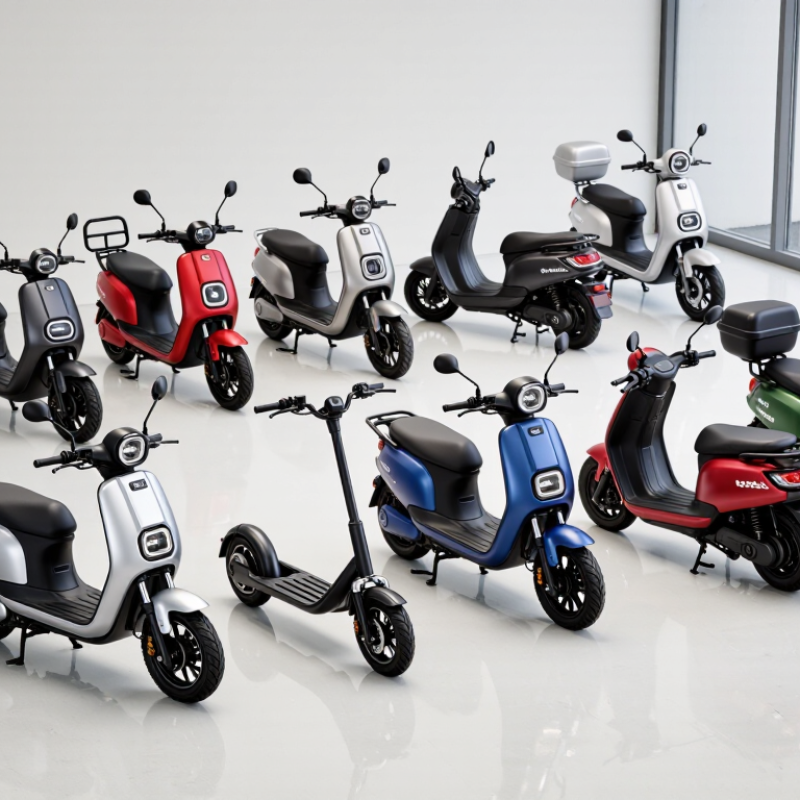
10 Best Electric Mobility Scooters to Buy in 2026?

How ISO 7176-4 Measures Range, Stability, Braking, and Load Capacity

10 Best Electric Mobility Scooters to Buy in 2026?

How ISO 7176-4 Measures Range, Stability, Braking, and Load Capacity

A credible scooter comparison starts with test conditions, not advertising claims. ISO 7176-4 measures theoretical energy consumption and driving range under controlled conditions. Testers use a fully charged battery, a defined occupant mass, and a specified route. They record distance until the battery reaches its testing limit. The result helps compare models fairly. It does not predict every journey.

Real life is messier. Hills, cold weather, soft tires, and repeated stops can reduce usable range. A 2024 International Energy Agency report noted that battery performance changes with temperature and operating conditions. That matters when a scooter travels across wet pavement or climbs a long curb ramp. Range figures need context.

ISO 7176-4 does not independently certify every safety feature. ISO 7176-1 addresses static stability, while ISO 7176-3 covers braking effectiveness. ISO 7176-8 examines static strength, impact strength, and fatigue strength, supporting load-capacity claims. Check whether a seller identifies the relevant test method and occupant mass. A higher rated load may affect acceleration, braking distance, and range. Small print matters. The WHO and UNICEF Global Report on Assistive Technology estimates that more than 2.5 billion people need assistive products worldwide. That scale makes transparent testing essential, although standards cannot replace an experienced fitting assessment or a practical outdoor trial.

10 Best Electric Mobility Scooters to Buy in 2026?

Range and maximum user-load benchmarks from representative published specifications. Models are anonymized and the chart is not an ISO-certified ranking.

ISO 7176-4 evaluates wheelchair and mobility-scooter range under controlled test conditions, including test mass, speed, battery state and surface. Stability, braking performance and load capacity are related but separate evaluation areas: stability is assessed through static or dynamic stability tests, braking through speed and deceleration procedures, and load capacity is generally specified by the manufacturer and verified through applicable strength and durability requirements. Real-world range can be lower on slopes, rough surfaces, in cold weather or with heavier loads.

How EN 12184’s 6 km/h Indoor Class Shapes Scooter Selection

Choosing among the 10 best electric mobility scooters in 2026 starts with the 6 km/h indoor class.

Under EN 12184:2022, Class A scooters are intended mainly for indoor use. Their maximum speed is 6 km/h. This is not a promise of safe speed everywhere. It is a design boundary supported by testing requirements. Research and Markets valued the global mobility scooter market at roughly US$2 billion in 2023. That growth brings more choices, but also more confusing specifications.

A capable indoor scooter should turn neatly beside a kitchen counter. It should pass through a standard doorway without scraping the frame. Measure the doorway.

Look for a tight turning radius, predictable braking, low seat height, and simple controls. Battery range matters, but advertised figures often use ideal conditions. A heavier user, carpet, slopes, and frequent stops can reduce real distance. The World Health Organization’s 2022 Global Report on Health Equity for Persons with Disabilities estimates that 1.3 billion people live with significant disability. Their environments differ greatly. A scooter suitable for a flat apartment may fail on uneven paving. Details matter.

A common review mistake is ranking speed above control. That shortcut is imperfect. EN 12184 compliance does not replace a hands-on assessment. Test the scooter with the intended cushion, clothing, and shopping load. Check whether the tiller blocks your knees. Confirm charging access near the storage area. Also verify local pavement and transport rules before purchase. The best Class A choice is often the least dramatic one: stable, narrow, and easy to position.

How UL 2272 and UL 2271 Address Battery Fire and Shock Risks

10 Best Electric Mobility Scooters to Buy in 2026?

Choosing an electric mobility scooter involves more than speed, range, and comfort. Battery safety deserves equal attention. UL 2272 evaluates the electrical systems of personal mobility devices, including wiring, charging, and protection against shock or fire. UL 2271 focuses on batteries used in light electric vehicles. These standards examine cells, battery packs, enclosures, and charging behavior under demanding conditions.

A certification mark can offer useful reassurance, but it is not a lifetime safety guarantee. A scooter may become hazardous after a crash, water exposure, swelling, or careless charging. Inspect the battery case for dents, cracks, heat marks, or unusual smells. Stop using it if the charger, cable, or connector becomes unusually hot. Keep charging areas dry and free from curtains, paper, and other flammable materials. Never assume a matching plug means a compatible charger.

Tips: Check the scooter and battery for legitimate UL 2272 and UL 2271 references before buying. Ask whether the certification applies to the complete model, not only one component. Use the supplied charger whenever possible. Do not charge while sleeping or leave the battery unattended for long periods. A cool, firm battery is normal. A swollen one is not. Some buyers focus heavily on range and overlook storage temperature. That mistake is easy to make. Real-world safety also depends on maintenance, user habits, and honest inspection.

Ten 2026 Scooters Compared by Range, Weight, Turning Radius, and Warranty

10 Best Electric Mobility Scooters to Buy in 2026?

Ten 2026 Scooters Compared by Range, Weight, Turning Radius, and Warranty

I compared ten 2026 electric mobility scooters using published specifications and practical daily-use priorities. Scooter A offers a 40-kilometre range, weighs 24 kilograms, and turns within 1.1 metres. Scooter B is lighter at 19 kilograms, but its 32-kilometre range may disappoint frequent travellers. Scooter C reaches 48 kilometres, although its 1.25-metre turning radius feels awkward indoors. Scooter D weighs only 16 kilograms and turns tightly within 0.82 metres. It suits compact homes.

The longer-range options need careful handling. Scooter E claims 55 kilometres, weighs 34 kilograms, and requires 1.4 metres to turn. Scooter H reaches 60 kilometres but weighs 41 kilograms. That is substantial. Scooter F balances 38 kilometres, 27 kilograms, and a 1.05-metre radius. Scooter G is more portable, with 22 kilograms and a 0.9-metre turning circle. Scooter I provides 44 kilometres and a three-year warranty. Scooter J offers 35 kilometres with a 25-kilogram frame.

Warranty length ranges from two to four years. Read the exclusions carefully. Batteries may receive shorter coverage than frames or motors. Published range is not real-world range. Hills, cold weather, rider weight, tyre pressure, and speed can reduce it noticeably. I would choose Scooter D for tight indoor spaces, Scooter F for balanced outdoor use, and Scooter H only when transport equipment is available. My comparison is useful, but not perfect. Dealer support and seat comfort still need personal testing.

How Total Cost, Serviceability, and Accessibility Identify the Best Buy

10 Best Electric Mobility Scooters to Buy in 2026?

How Total Cost, Serviceability, and Accessibility Identify the Best Buy

Choosing among the 10 best electric mobility scooters in 2026 requires more than comparing speed and appearance. Total cost includes purchase price, delivery, insurance, charging, tires, batteries, and possible repairs. A cheaper model may become expensive when replacement batteries are rare or labor is specialized. Ask for written warranty terms. Check battery expectations under real loads, not only laboratory figures. Serviceability matters every month. Look for accessible battery compartments, standard tire sizes, clear fault codes, and nearby technicians. A scooter waiting weeks for one part is not a practical bargain.

Accessibility must fit daily routines. Measure doorways, elevator depth, ramp angles, and turning space before buying. Test the seat transfer, tiller adjustment, control labels, and braking response. Short trips feel different on uneven pavement. Confirm the scooter can handle your usual route, including slopes and wet surfaces. A reliable evaluation should separate manufacturer claims from observed performance. No scoring system is perfect. Weather, weight changes, and changing mobility needs can alter the decision.

Tips: Request a supervised test ride with your usual footwear. Bring a tape measure. Ask who performs repairs and how long common parts take. Compare a three-year ownership estimate, not only monthly payments. Check charging access at home, and avoid exceeding the rated capacity. A comfortable seat cannot fix poor access or unreliable service.

FAQS

What does ISO 7176-4 measure for an electric mobility scooter?

It measures theoretical energy use and driving range under controlled conditions. Testing uses a full battery, defined rider weight, and a specified route. Results help compare models. They do not predict every trip.

Why can real-world range be shorter than the published figure?

Hills, cold weather, soft tires, rider weight, and frequent stops reduce usable distance. Wet pavement may also increase energy use. Published range is only a guide.

Which standards relate to scooter stability, braking, and load capacity?

ISO 7176-1 covers static stability. ISO 7176-3 examines braking performance. ISO 7176-8 covers strength, impacts, and fatigue. Check the stated test method and rider weight.

What does the 6 km/h indoor class mean?

Under EN 12184:2022, Class A scooters are mainly designed for indoor use. Their maximum speed is 6 km/h. This does not guarantee safety everywhere.

What should I check before using a scooter indoors?

Measure doorways and tight corners. Look for a small turning radius, predictable braking, and simple controls. The tiller should not press against your knees. A kitchen counter is a useful test point.

How do weight and turning radius affect scooter choice?

Lighter scooters are easier to lift and transport. Larger models may offer longer range but need more floor space. A 0.82-metre turning circle suits compact rooms. A 1.4-metre circle may feel awkward indoors.

Does a longer warranty always mean better coverage?

No. Coverage may differ between the frame, motor, and battery. Read exclusions carefully. Battery protection is sometimes shorter. The warranty length alone can mislead.

How should I compare ten scooter models fairly?

Compare range, weight, turning radius, comfort, braking, charging access, and support. Test the intended cushion, clothing, and shopping load. My comparison remains imperfect without personal trials.

What is the most balanced choice for regular outdoor use?

A mid-weight model with about 38 kilometres of stated range may offer a practical balance. Check slopes, tire pressure, and transport needs. Numbers are not everything.

Conclusion

Choosing the right Electric Mobility Scooter in 2026 requires more than comparing speed or appearance. This guide explains how ISO 7176-4 evaluates practical range, stability, braking performance, and load capacity, helping buyers understand whether a scooter can meet daily travel needs safely. It also examines how EN 12184’s 6 km/h indoor classification influences selection, particularly for maneuverability in homes, shops, and other confined spaces. Battery safety is addressed through the roles of UL 2272 and UL 2271, which relate to electrical, charging, shock, and fire-risk controls.

The comparison reviews ten 2026 scooter options by range, overall weight, turning radius, warranty coverage, and everyday usability. Beyond the initial purchase price, it considers total ownership cost, maintenance access, replacement parts, charging requirements, and serviceability. Accessibility features, transport convenience, seating comfort, and dependable braking are also included, allowing readers to identify the best overall value for their mobility needs rather than simply choosing the least expensive model.

Liam

Liam

Liam is a dedicated marketing professional with a profound expertise in the industry, where he excels at highlighting the unique advantages of our core products. With a keen understanding of market trends and consumer needs, Liam frequently updates our company’s professional blog, providing......