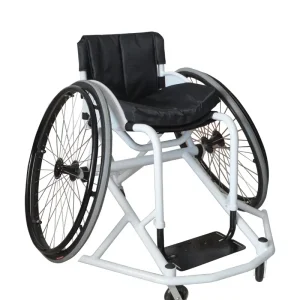
Clinical Biomechanics of Pressure Relief Seating
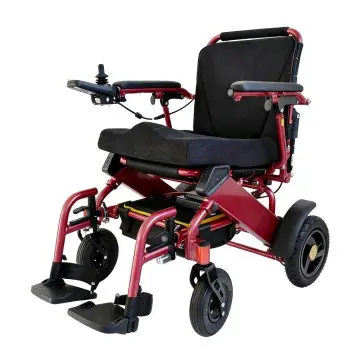
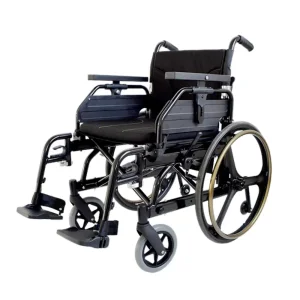
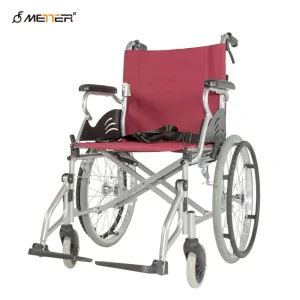
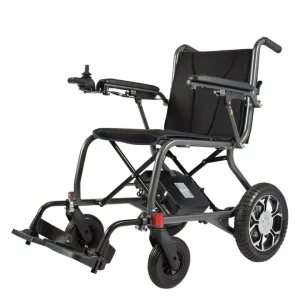
For long-term mobility device users, pressure management is not a luxury option; it is a clinical necessity. The development of decubitus ulcers (pressure injuries) represents a significant systemic risk, leading to elevated patient morbidity and immense financial burdens on healthcare systems worldwide. As a premier wholesale pressure relief wheelchair manufacturer, our engineering department prioritizes advanced tissue protection.
Decubitus ulcers develop when constant mechanical forces compress capillaries, starving local tissues of oxygen and essential nutrients. This occurs primarily around prominent skeletal locations, including the ischial tuberosities, sacrum, and greater trochanters. To counteract this, modern pressure relief designs employ complex geometric seat bases, multi-layered viscoelastic gel cushions, and dynamically adjustable tilt-in-space mechanisms.
Anatomical Pressure Redistribution & Shear Reduction
Our active pressure management strategy uses varying material densities. When a user sinks into a seat, a soft, high-performance viscoelastic memory foam layer conforms to their shape, maximizing the contact area. Beneath this, a firmer support core distributes weight away from bone protrusions. Additionally, by utilizing advanced stretch fabrics for the outer cover, we prevent the skin shear forces that often lead to deep tissue tears.
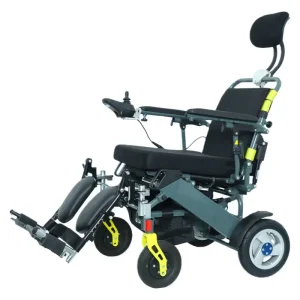
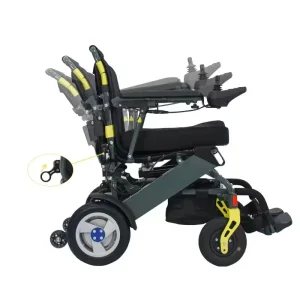
When utilizing tilt-in-space systems, gravity-induced loads are shifted from the pelvis to the thoracic region. This clinical approach reduces vertical pressure, significantly lowering the risk of local capillary occlusion. Through our ongoing collaborative research with clinical physical therapists, our manufacturing lines continue to deliver highly effective pressure redistribution systems.