In the global medical rehabilitation and accessibility solutions market, establishing precise coordination between personal mobility devices and surrounding infrastructure is vital. For architectural planners and procurement officers, adhering to standardized specifications like the ADA (Americans with Disabilities Act) standards, EN 12182/EN 12184, and BS 8300 is key to safety, dignity, and access.
Wheelchair ramps must be constructed to handle dynamic forces and protect users from tipping over. A core rule is the slope ratio. The ADA demands a maximum slope of 1:12 (an 8.33% grade or approximately 4.76 degrees of inclination) for public structures. Residential ramp designs may sometimes allow a steeper 1:10 ratio, but safety margins degrade quickly. Modern smart electric wheelchairs must be engineered to navigate these gradients safely, preventing slippage or rollback.
Engineering Note: A wheelchair ascending an 8.33% slope requires its center of gravity (CoG) to align with its wheelbase. A misplaced CoG can cause backward tipping on manual wheelchairs or motor overload on powered configurations.
| Standard Reference | Maximum Permitted Slope | Minimum Landing Width | Core Dynamic Safety Requirement |
|---|---|---|---|
| ADA Guidelines (US) | 1:12 (8.33% / 4.76°) | 60 inches x 60 inches | Continuous handrails, slip-resistant finish |
| EN 12184 (Europe) | Up to 10% (5.71°) for dynamic cert. | 1200 mm to 1500 mm | Anti-tip protection, roll-back braking limits |
| BS 8300 (United Kingdom) | 1:20 (5.00% / 2.86°) preferred | 1500 mm x 1500 mm | Step-free design, integrated hazard warning striping |
| AS 1428.1 (Australia) | 1:14 (7.14% / 4.08°) | 1500 mm x 1500 mm | Tactile ground surface indicators (TGSIs) |
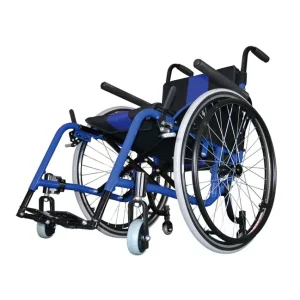
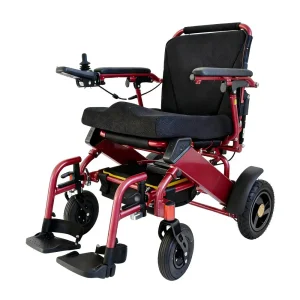
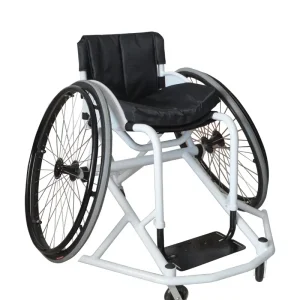
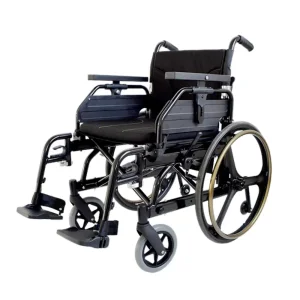
Established in August 2010, Changshu Pingfang Wheelchair Co., Ltd. operates a high-tech facility focused on the design, manufacturing, and distribution of top-tier smart mobility solutions. We build medical-grade electric and active sports wheelchairs that pair naturally with international ramp accessibility standards.
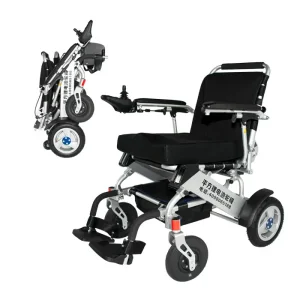
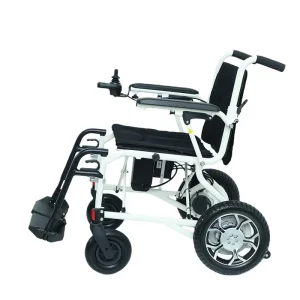
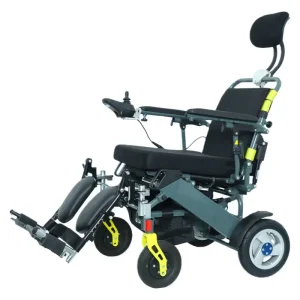
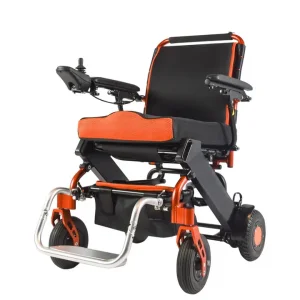
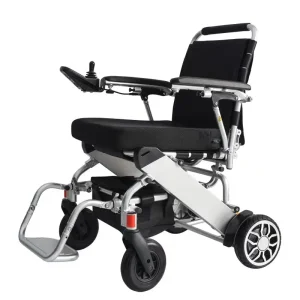
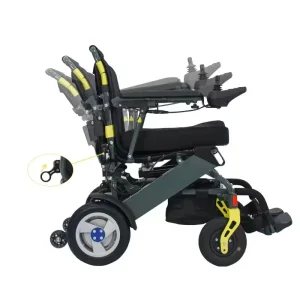
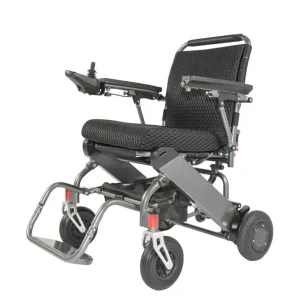
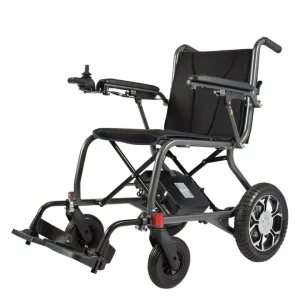
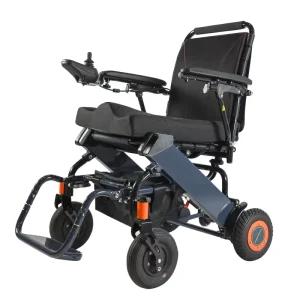
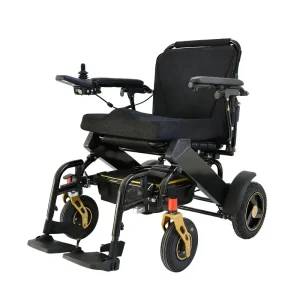
As an experienced manufacturing supplier, we understand that accessibility products require strict mechanical testing. To comply with modern architecture rules (such as ramp angles and landing platforms), wheelchairs must satisfy dynamic balance criteria. Pingfang designs high-performance smart electric wheelchairs using lightweight aluminum alloys and stable X-frame structures to optimize power distribution.
Our products incorporate smart safety mechanics. The magnetic braking systems and brushless motors featured in our wheelchairs protect users against rollback issues on steep ramps. These features keep users safe and help OEMs, medical distributors, and architects comply with accessibility codes.
We test our engineering solutions against international accessibility, medical, and governmental regulations.
To supply European markets, our electric wheelchairs undergo testing to qualify for French and Italian national social insurance reimbursement systems. These tests verify structural safety on ramps, slope stability, electromagnetic braking safety, and product longevity.
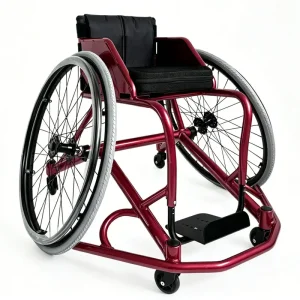
Pingfang supported the Beijing Olympic and Paralympic Games by supplying wheelchair options designed for professional athletes. This demonstrates our capacity to build high-performance products that handle heavy daily use.
Designing a wheelchair that safely navigates standard ramps requires careful physics calculations. Standard accessibility ramps present three main mechanical challenges for wheelchair users:
When sourcing wheelchairs from a factory partner, verify these safety features:
Common questions from procurement officers, medical distributors, and architects about wheelchair and ramp standard interfaces.
Connect with our engineering and sales teams to request CAD templates, compliance certifications, or a quotation.