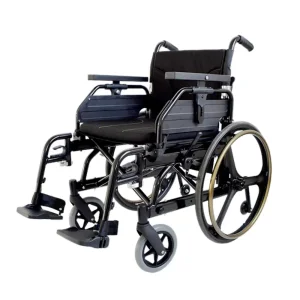
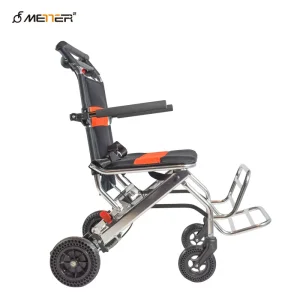
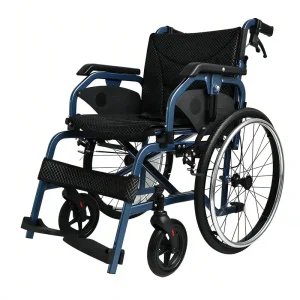
OEM Lightweight Folding Wheelchair: Global Market Analysis & Technical Whitepaper
1. Executive Summary & Market Landscape
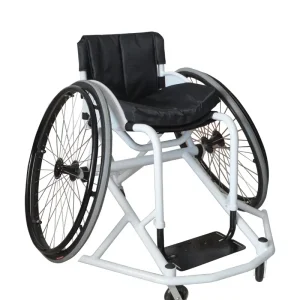
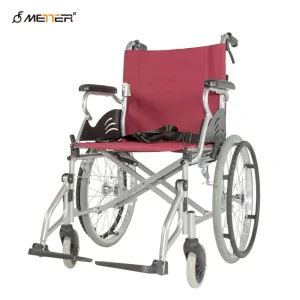
The global rehabilitation medical device ecosystem is undergoing a major paradigm shift driven by demographic aging, increases in chronic mobility-related conditions, and rising demands for active, independent living. Among these solutions, the lightweight folding wheelchair represents a crucial technology category. Transitioning from basic tubular steel manual frames to high-performance, carbon fiber, and aerospace-grade aluminum alloy electric and manual systems has driven market expansion.
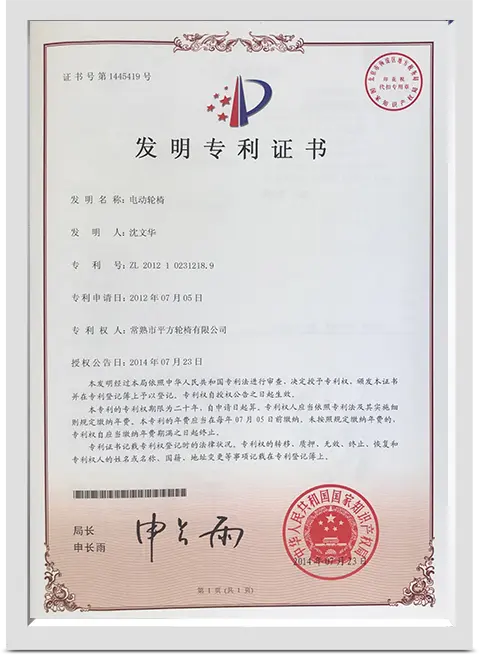
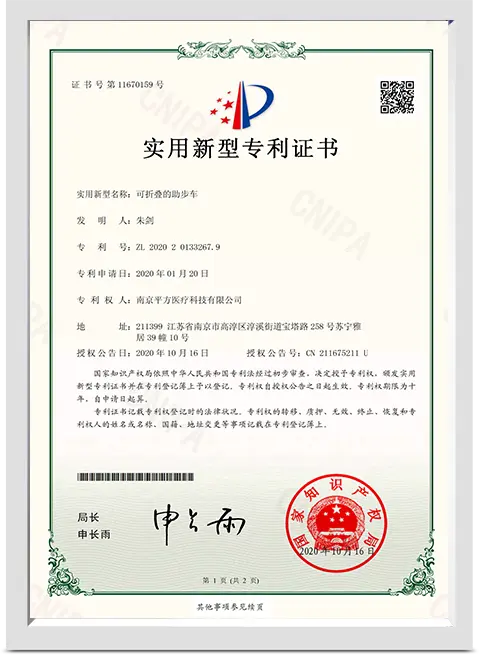
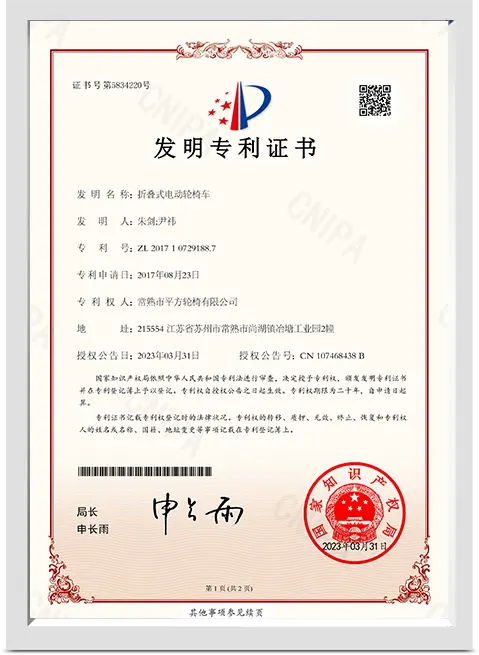
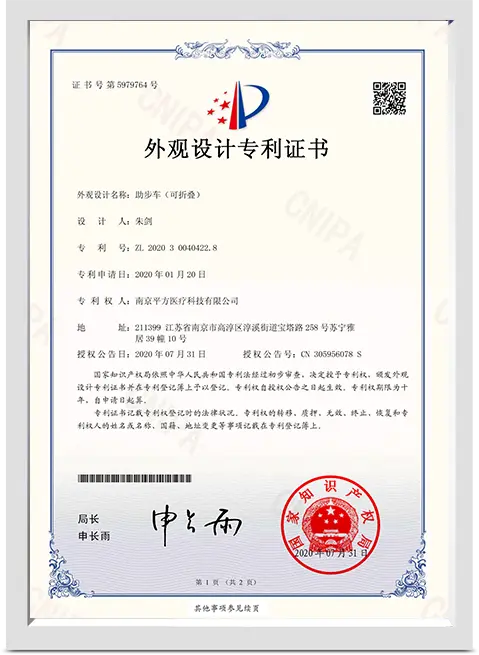
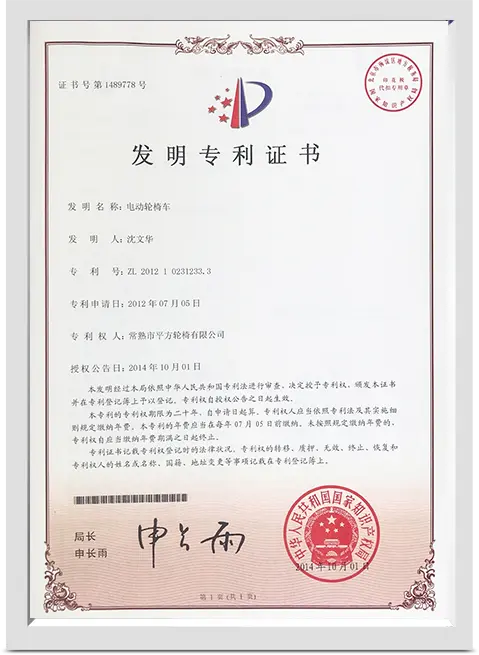
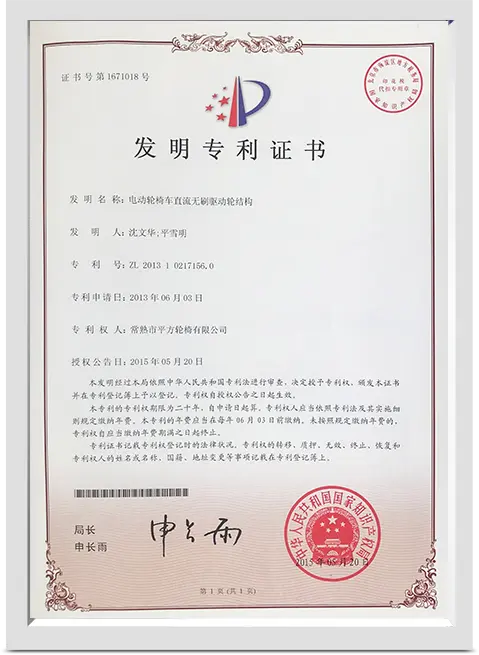
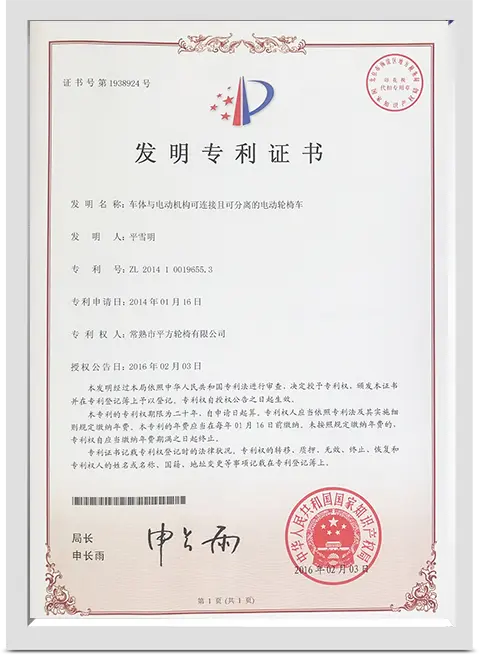
For global B2B procurement managers, medical device distributors, and healthcare administrators, identifying a competent Original Equipment Manufacturer (OEM) is not merely a matter of unit-cost reduction. It requires assessing material supply chains, structural testing capabilities, design intellectual property, and adherence to international medical regulatory standards.
2. Material Science and Advanced Frame Engineering
At the core of any lightweight folding wheelchair lies the challenge of maximizing the strength-to-weight ratio. Traditional steel wheelchairs, while cost-efficient, impose severe physical strain on self-propelling users and caregivers alike, limiting portability. OEM manufacturing now relies on two main material streams:
- Aerospace Aluminum Alloys (7003-T5 and 6061-T6): By utilizing high-yield strength aluminum alloys containing zinc, magnesium, and copper, we achieve tensile strengths exceeding 350 MPa. Crucially, the 7003-T5 variant exhibits exceptional weldability and microstructural stability post-heat treatment, which translates directly to a frame that does not experience cyclic fatigue under continuous load conditions.
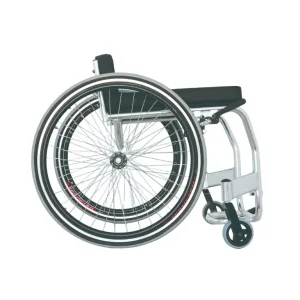
- Carbon Fiber Composites (T700 / T800 grades): By arranging carbon filaments in specific patterns, we manufacture manual wheelchairs weighing less than 8 kilograms. Carbon fiber offers superb vibration dampening, reducing muscle fatigue in users navigating textured surfaces.
Advanced frame design also incorporates finite element analysis (FEA) to locate points of maximum stress along cross-brace linkages. This design ensures that the folding cross-mechanisms—often the primary point of failure in folding systems—maintain tolerances under dynamic loads.
3. Mechatronics: Power, Propulsion & Energy Management
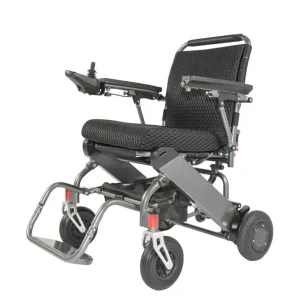
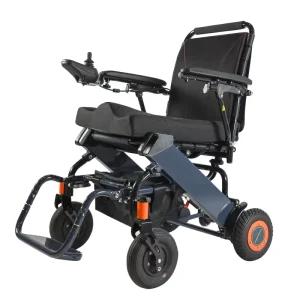
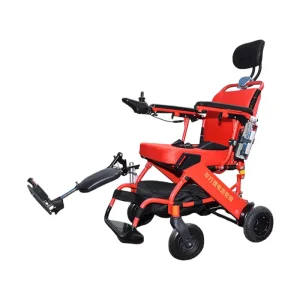
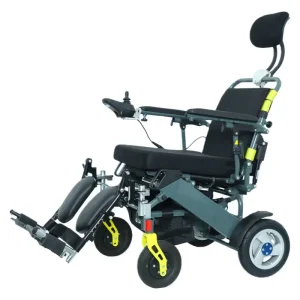
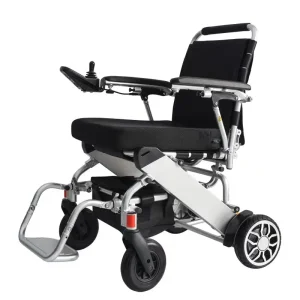
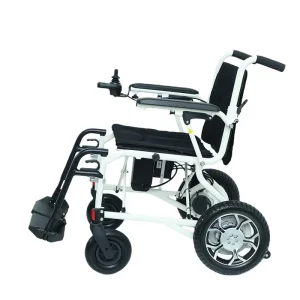
In the electric folding wheelchair sector, mechatronics optimization is essential for safety, efficiency, and range. As a leading manufacturer, Pingfang integrates three core components:
- Field-Oriented Control (FOC) Sinusoidal Brushless Controllers: Unlike legacy square-wave controllers, FOC provides smooth torque generation, silent operation, and high efficiency, allowing users to navigate tight domestic corners and steep outdoor inclines with ease.
- Brushless Hub Motors with Electromagnetic Braking: Utilizing high-energy neodymium permanent magnets, our brushless motors achieve efficiency ratings above 85%. Integration of fail-safe electromagnetic brakes ensures immediate stopping when control inputs cease, even on steep slopes.
- Lithium-ion Battery Management Systems (BMS): Moving from heavy lead-acid batteries to lithium nickel manganese cobalt (NMC) or lithium iron phosphate (LiFePO4) chemistries has revolutionized range profiles. Our integrated BMS systems continuously monitor cell voltage, thermal thresholds, and cycle degradation, complying with FAA regulations for commercial air travel.
4. OEM Customization, Production Scaling, & Design Capabilities
True manufacturing capability lies in a factory's ability to transition from initial concept CAD models to high-volume assembly lines without sacrificing quality control. As a specialized OEM manufacturer, our production pipeline integrates:
- Robotic TIG Welding stations that ensure consistent weld penetration and minimize heat-affected zone distortion.
- Modular Tube Hydroforming that creates complex aerodynamic shapes, maximizing torsional rigidity.
- Anodization and Powder Coating lines providing corrosion protection, sweat resistance, and scratch-resistant surfaces.
- In-house testing laboratories equipped to execute ISO 7176 dynamic fatigue tests, curb drop simulations, and multi-angle static stability testing.
5. Global Regulatory Compliance & Social Healthcare Entry
Navigating international medical reimbursement databases is critical for distributors. Products must undergo systematic validation processes to gain entry into domestic healthcare systems:
- European Union (MDR 2017/745): Compliance demands rigorous post-market clinical follow-ups, biometric material classifications, and comprehensive risk evaluations. Our products are designed to meet these European standards.
- United States FDA 510(k): Substantial equivalence studies prove the safety of our electrical systems and mechanical components against established predicates.
- Social Insurance Systems (e.g., France, Italy): Validation by national insurance programs (such as LPPR in France and ASL in Italy) ensures that end-users can claim government reimbursement, expanding market access.