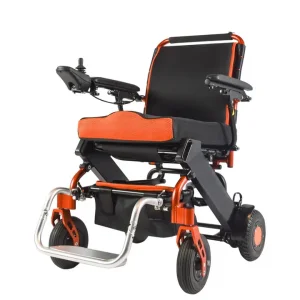
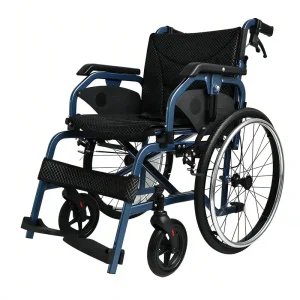
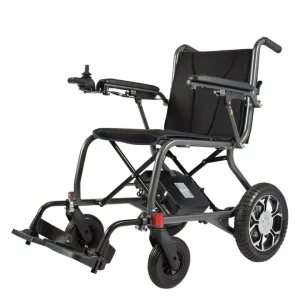
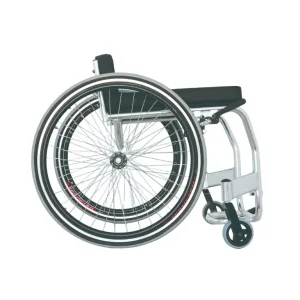
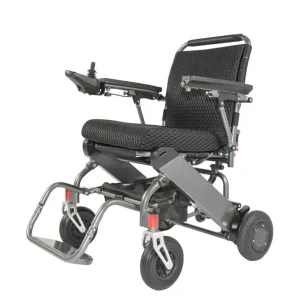
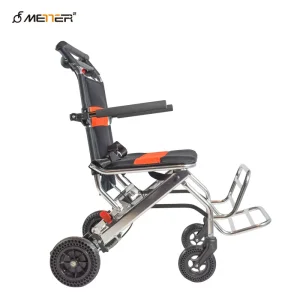
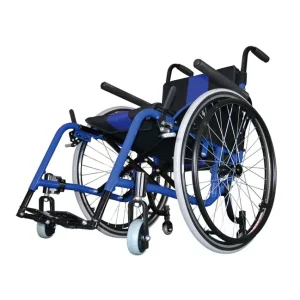
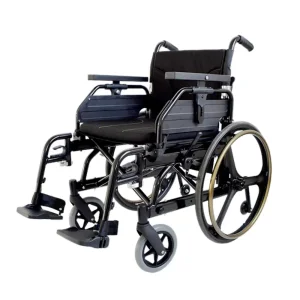
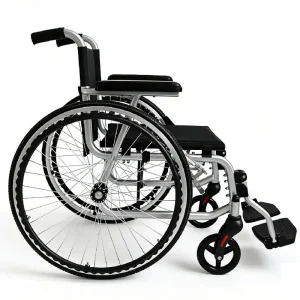
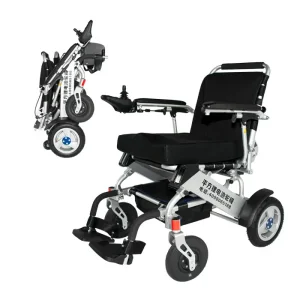
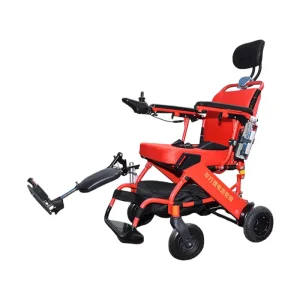
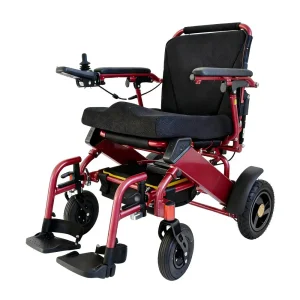
Explore our premium product portfolio featuring advanced engineering, light alloy structural frames, and intelligent power assistance systems.
The global demand for active manual, semi-sport, and performance leisure wheelchairs is experiencing structural growth. Historically treated as general medical apparatus, contemporary rehabilitation mobility frameworks have transitioned toward user-centric, high-performance systems. In modern healthcare infrastructure and retail wellness systems, the priority has shifted to active participation, physical recreation, and ergonomic adaptation.
According to clinical studies in adaptive sports physiology, active users who use specialized leisure and sports wheelchairs report a 40% reduction in long-term shoulder articulation injuries. By incorporating custom camber angles, dynamic center-of-gravity adjustments, and advanced frame configurations, specialized chairs transform from passive transport devices into direct skeletal extensions of the user. This design shift dramatically enhances operational safety, performance efficiency, and overall cardiovascular health.
"For modern healthcare distributors, public procurement networks, and clinical organizations, selecting an ODM manufacturer involves evaluating complex technical parameters: specialized material selection, fatigue life under dynamic load, certified battery protection configurations, and localized regulatory compliance."
Leisure sports wheelchairs are designed to balance the performance characteristics of professional athletic chairs with the comfort and versatility required for daily active living. Unlike standard rigid hospital chairs, this category incorporates adjustable seating systems, high-durability pneumatic rear wheels, shock-absorbing front casters, and specialized frame architectures. A standard leisure sports frame is optimized to distribute the user's weight evenly across the wheel axles, reducing rolling resistance and maximizing energy transfer efficiency. This makes it easier for users to navigate urban environments, recreational pathways, and light indoor courts.
Chinese manufacturers have shifted away from low-cost, high-volume production in favor of precision engineering, automated manufacturing, and robust supply chain integration. The rehabilitation equipment hub of Jiangsu province serves as a prime example of this industrial transformation. Here, highly integrated production clusters bring together advanced raw material suppliers, certified electronic component manufacturers, and state-of-the-art testing laboratories to streamline the manufacturing process.
At the center of this industrial cluster is Changshu Pingfang Wheelchair Co., Ltd., established in August 2010. Operating a dedicated 3,000-square-meter facility, Pingfang integrates advanced research and development, CAD prototyping, automated robotic welding, and performance testing under one roof. Our industrial capabilities yield significant cost efficiencies without compromising technical standards:
Direct partnerships with regional aluminum smelters and battery cell packagers ensure a reliable supply of high-grade raw materials and advanced electronic components, insulating production from global supply chain disruptions.
CNC machining centers and multi-axis robotic welders ensure precise dimensional tolerances for every frame. This automated process minimizes structural stress points and guarantees consistent, high-quality production runs.
Every product line undergoes rigorous performance and quality testing, including dynamic drop tests, slope stability assessments, electromagnetic compatibility (EMC) checks, and battery safety evaluations.
Optimizing leisure sports wheelchairs requires analyzing the diverse environments where they will be used. Whether navigating urban spaces, participating in adaptive sports programs, or assisting active travelers, users require tailored configurations to meet their specific mobility needs.
Our ODM solutions are engineered to address unique operational requirements across diverse settings:
The global mobility industry is moving toward smart, lightweight, and custom-tailored designs. B2B buyers must align their procurement with these emerging trends to remain competitive:
Using 7000-series aerospace aluminum, magnesium alloys, and carbon fiber composites reduces frame weight without sacrificing structural integrity, improving ease of transport and reducing user fatigue.
Integrating compact brushless hub motors and intelligent torque sensors provides power assistance on inclines while maintaining the form factor and agility of a manual sports wheelchair.
Providing dynamic, user-adjustable components—including center of gravity, seat height, backrest tension, and footrest positioning—helps prevent pressure sores and optimizes comfort.
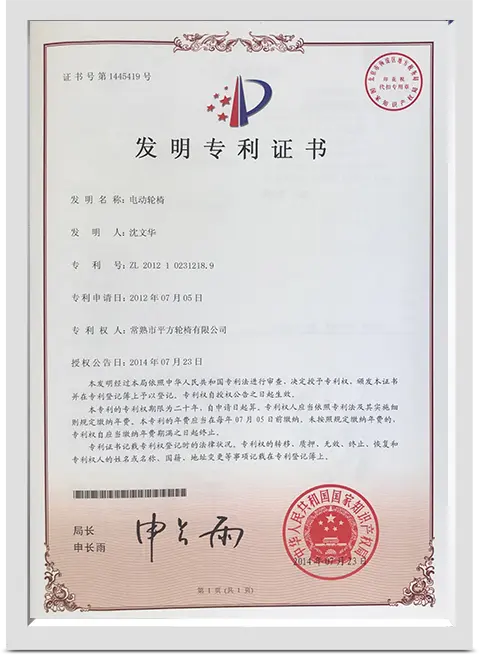
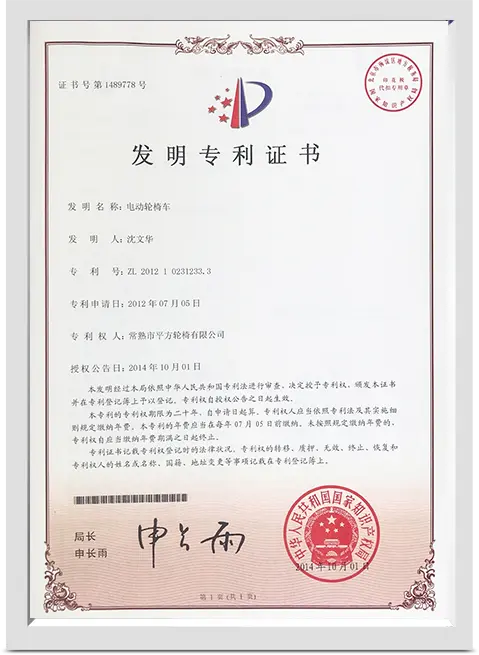
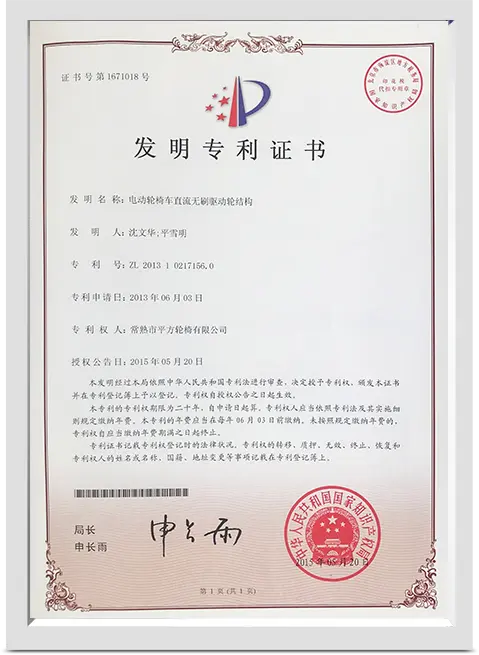
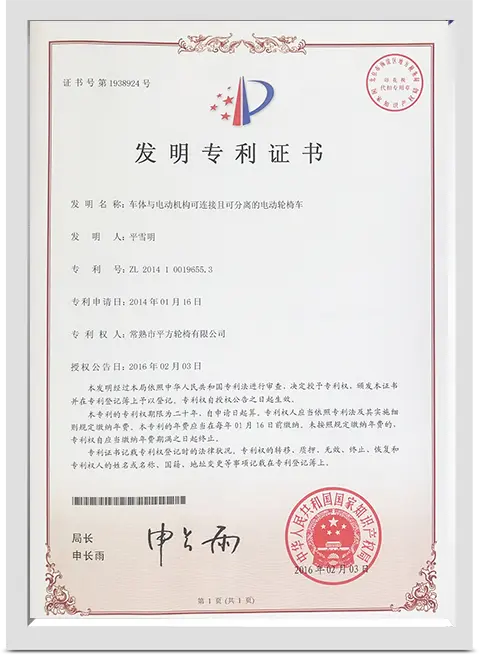
Built on certified high-precision engineering, patent-protected technologies, and ergonomic design principles.
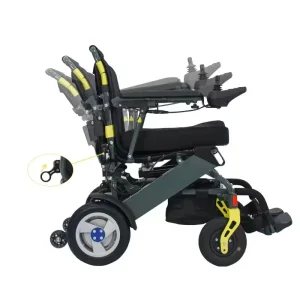
Patented Foldable Frame design provides easy storage and transport. Our lightweight, high-durability frames are ideal for active users on the go.
Equipped with high-density lithium-ion battery packs and energy-efficient brushless motors for extended range and long-term reliability.
Features responsive braking, anti-tip support, and ergonomic, breathable seating designed for prolonged use and active comfort.
Review the real-world impact of Pingfang's commitment to manufacturing excellence, global distribution, and community support.
Pingfang supplied high-performance electric wheelchairs to the Beijing Olympics and Paralympics, meeting strict reliability, safety, and accessibility requirements.
Our electric wheelchairs are registered in the national health and social insurance systems of France, Italy, and other EU countries, satisfying strict compliance standards.
Demonstrating global social responsibility, Pingfang donated 100 sports and leisure wheelchairs to support local adaptive sports initiatives in Malawi.
Equipped with a custom electric chair, outdoor photographer Mr. Lu was able to traverse challenging natural terrains across China to capture his shots.

Our production facilities and management workflows comply with key international standards, ensuring seamless import and distribution processes.
For procurement officers, regional distributors, and medical equipment buyers, evaluating potential manufacturing partners involves reviewing key technical and operational parameters:
Evaluate the raw materials used. While 6000-series aluminum is standard for daily-use chairs, premium active sports and leisure models require cold-drawn 7000-series aluminum or carbon composite frames. These materials offer superior strength-to-weight ratios, ensuring the frame can withstand dynamic impacts on sports courts and during travel.
Ensure the manufacturing partner holds relevant quality management certifications, such as ISO 13485, CE markers, and necessary FDA registrations. These certifications are essential for entering national health reimbursement registries and navigating customs clearance.
For electric and hybrid models, lithium iron phosphate (LiFePO4) or advanced ternary lithium cells must feature certified Battery Management Systems (BMS) with overcurrent, temperature, and short-circuit protections. Additionally, UN38.3 certification is required to verify air travel eligibility.
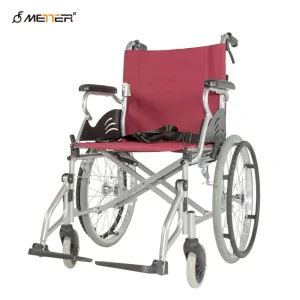
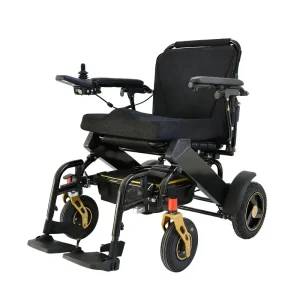
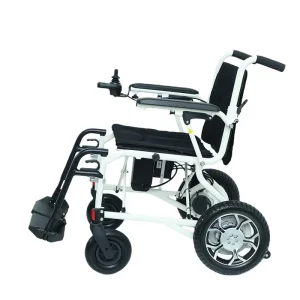
Discover our specialized designs, including manual sports configurations, ultra-portable folding frames, and all-terrain electric models.
Get answers to common technical, logistics, compliance, and customization questions regarding our active mobility systems.
Get in touch with our team for detailed product specifications, custom project requests, or bulk pricing options. We reply to all inquiries within 24 hours.