
Explore our foundational range of certified manual, sports, and electric powerchairs, adhering strictly to global therapeutic and chassis stability protocols.
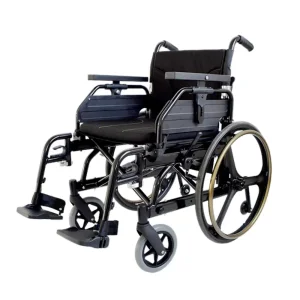
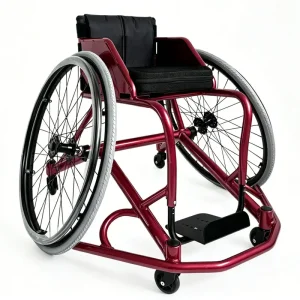
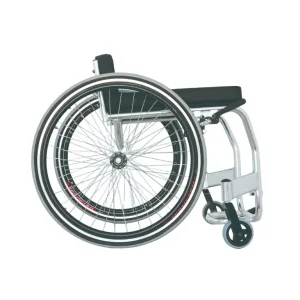
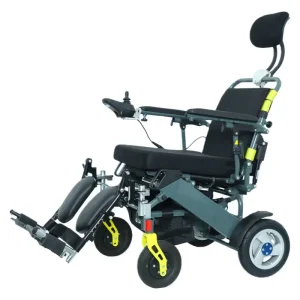
In the international clinical and commercial rehab sectors, safety standards act as structural benchmarks for quality assurance and patient risk mitigation. Wheelchairs are classified as Class I (or Class II in select jurisdictions) medical devices under governing frameworks such as the U.S. FDA 510(k) and the European Union Medical Device Regulation (EU MDR 2017/745). This categorization requires rigorous adherence to standardized protocols to ensure mechanical robustness and biocompatibility.
The standard reference points for global manufacturers are the ISO 7176 series. These documents outline testing protocols for everything from dynamic stability and static strength to energy consumption and electromagnetic compatibility (EMC) in motorized chairs. Manufacturers seeking global market access must navigate a complex network of regional variations:
To qualify as a tier-1 supplier, a Chinese wheelchair manufacturer must operate in-house testing labs that mirror third-party inspection environments. Dynamic fatigue testing simulates years of active service using double-drum test machines and drop-test apparatuses. Standard testing schedules include 200,000 double-drum cycles and 6,666 drop-test cycles to confirm structural durability.
"Under European social insurance and clinical reimbursement schemes, even a minor micro-fracture under stress fatigue can lead to product recalls. Therefore, testing must verify both frame integrity and electronic redundancies."
For electric powered chairs, electrical and thermal safety certifications are essential. Standard-compliant lithium-ion battery management systems (BMS) must feature cell-balancing circuits, overcharge protections, and thermal runaway containment. Compliance with UN 38.3 air transport guidelines is mandatory, ensuring the lithium batteries are safe for aviation transit.
Providing advanced mobility solutions with certified manufacturing processes since 2010.
Changshu Pingfang Wheelchair Co., Ltd. was established in August 2010, operating out of a specialized factory facility measuring approximately 3,000 square meters. As a certified high-tech enterprise, Pingfang focuses on the research, design, manufacture, and global distribution of premium intelligent electric wheelchairs and top-tier professional sports wheelchairs.
Our operation integrates R&D, advanced fabrication, quality assurance, and global distribution, ensuring every wheelchair meets regional safety criteria. We build products designed for both regulatory compliance and daily reliability.



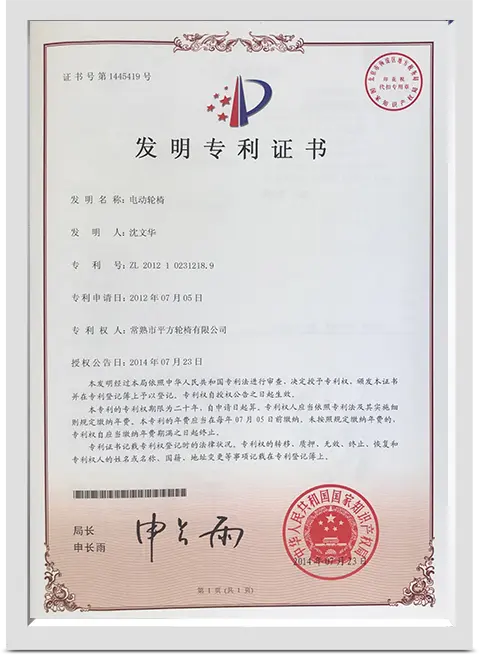
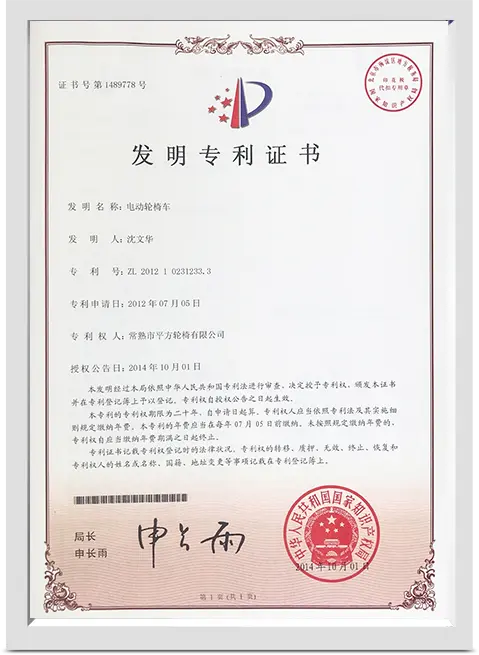
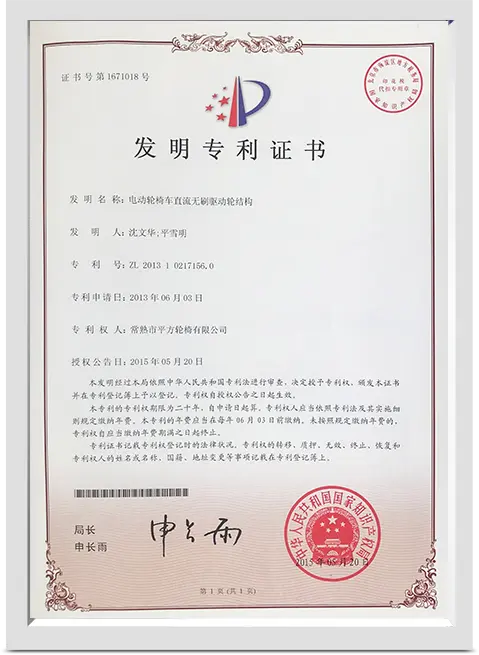
Ensuring compliance with medical device standards requires specific, patent-protected engineering solutions.

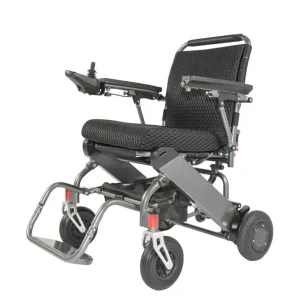
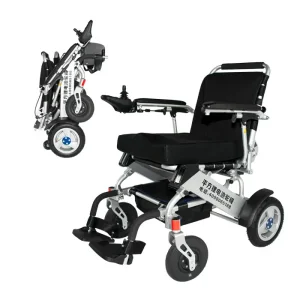
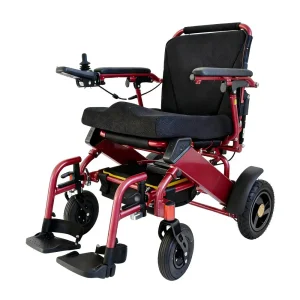
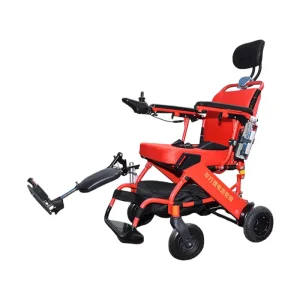
Features a patented foldable frame. The design is lightweight yet durable, certified for dynamic stability even when folded for transit.

Equipped with advanced lithium battery chemistry alongside energy-saving brushless hub motors. Certified for air travel compliance.

Brushless motor technology delivers smooth acceleration and electromagnetic braking. The ergonomic design helps distribute pressure.

Exclusive engineering designs prevent frame distortion and stabilize pivot points under daily stress conditions.

Built for all-terrain navigation with active anti-tip stabilizers, maintaining balance across uneven surfaces and steep curbs.
Our facility offers engineering configurations for local safety agencies and specialized B2B clinical specifications.
We organize our products to align with regulatory requirements and medical device classifications.
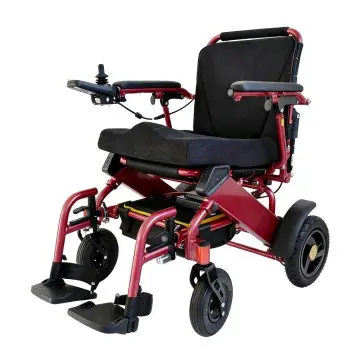
Electric wheelchairs require rigorous electronic verification. Our intelligent controllers undergo testing for electromagnetic susceptibility and electrostatic discharge to prevent unexpected failures in public areas.
Our designs use 24V brushless hub systems, intellectual brake releases, and lithium configurations. These components are certified under ISO 7176-14, ensuring they meet the required power consumption and safety guidelines.
Discover how Pingfang wheelchairs serve users across varying environments, regulatory markets, and international athletic competitions.

Changshu Pingfang Wheelchair Co., Ltd. demonstrated its commitment to global community support by donating 100 sports and leisure wheelchairs to Malawi. This program provided robust, durable mobility equipment adapted for rural and urban pathways, supporting accessibility for local users.
Read Detailed Story
Pingfang contributed to the Olympic and Paralympic Games by providing high-performance electric and athletic manual wheelchairs. These chairs met strict competition regulations, offering the reliability and stability required by international athletes.
Read Detailed Story
To supply electric wheelchairs to European markets, our products passed testing and certification required by national health insurance systems. This compliance enables regional medical agencies to reimburse and prescribe Pingfang products to patients.
Read Detailed StoryFor B2B procurement managers, sourcing medical wheelchairs from China involves balancing cost efficiency with compliance requirements. Selecting a supplier with verified certification mitigates risks related to import compliance and customs holds. Key structural indicators of manufacturing quality include:
Our frames utilize aerospace-grade 6061 or 7003 aluminum alloy profiles. These alloys are heat-treated to ensure high tensile strength without adding unnecessary weight. Automated TIG welding systems ensure deep penetration at structural joints, minimizing the risk of weld fatigue over time.
A reliable supplier must provide clear certification files on demand. Essential compliance documentation includes:
Aviation Compliance Warning: Lithium-powered electric wheelchairs must be accompanied by MSDS documents and UN 38.3 test summaries. Without these, shipping carriers cannot clear the devices for air transit.
Our manufacturing and research facilities meet relevant global quality standards.
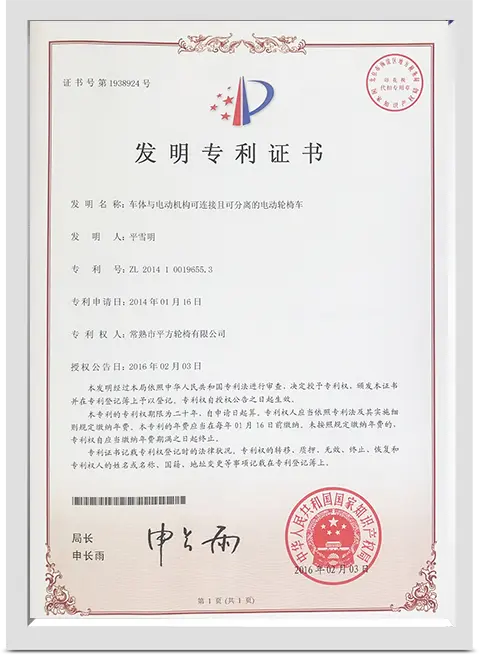
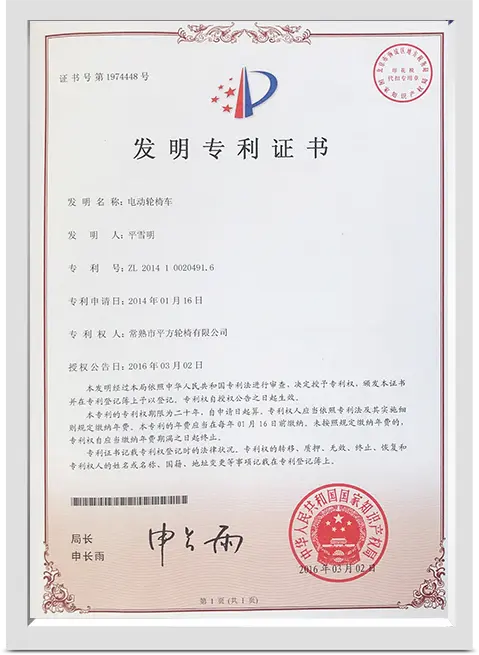
Track our progress in international markets and specialized sporting events.
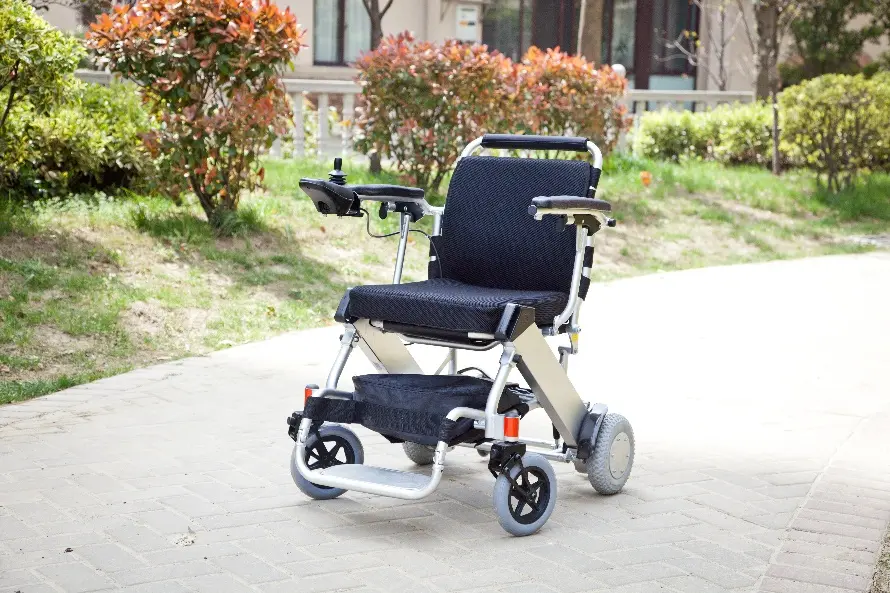
Our research and development team successfully integrated active safety sensors and telemetry controls into our folding wheelchair models.

Production output from our Changshu plant has expanded, increasing shipment capacity to European and North American distribution centers.
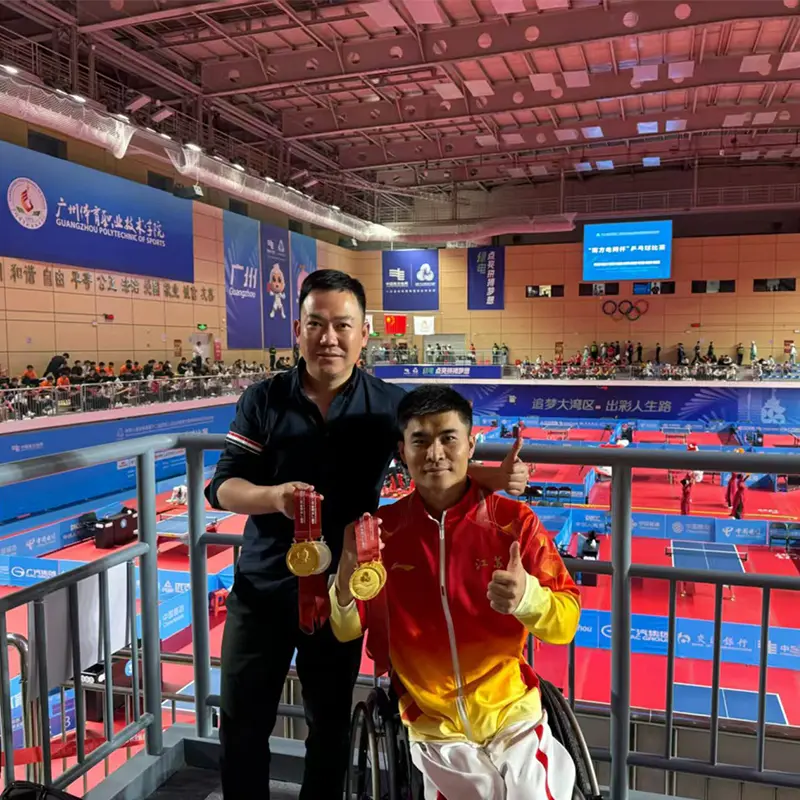
Pingfang-sponsored athlete Cao Ningning secured double gold medals, validating the stability and agility of our custom sports wheelchairs.
Find answers to common technical, logistics, and compliance questions for medical wheelchairs.
The primary standard is ISO 7176, which contains over 30 separate sections covering various testing requirements. The essential parts include ISO 7176-1 (static stability), ISO 7176-8 (structural strength), and ISO 7176-14 (power control safety). For electric chairs, EN 12184 is also required for market access in Europe.
Electric wheelchairs with lithium-ion batteries must comply with UN 38.3 regulations. Suppliers must provide a test summary and MSDS document confirming that the battery cells are protected against short-circuits and thermal runaway, allowing them to be carried on commercial aircraft.
We use double-butted 6061 and 7003 aluminum alloy profiles. These alloys undergo artificial aging processes to optimize structural stiffness and stress tolerance, maintaining structural stability under constant load cycles.
Yes. Our electric wheelchairs comply with testing protocols in countries like France and Italy, qualifying them for integration into local healthcare and reimbursement registries.
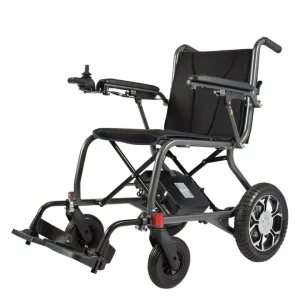
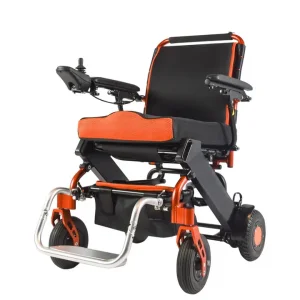
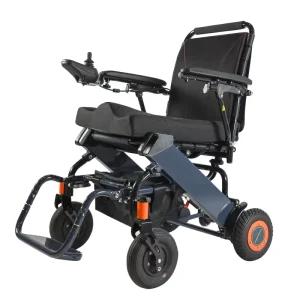
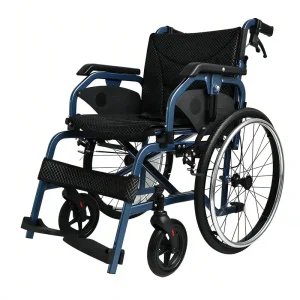
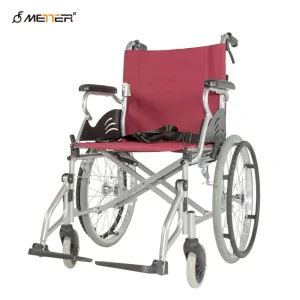
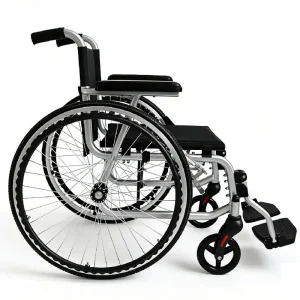
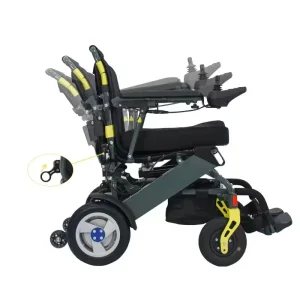
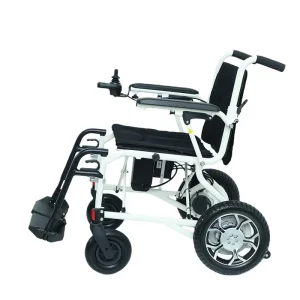
Examine our premium configurations, featuring active incline controls, electromagnetic braking systems, and lightweight carbon-aluminum hybrid frames.
Connect with our technical export office for product test reports, certification files, and detailed unit pricing.