Innovative designs meeting strict international standards for stability, durability, and user empowerment.
An Industry White Paper on Propulsion Dynamics, Material Science, and Active Ergonomic Interfaces.
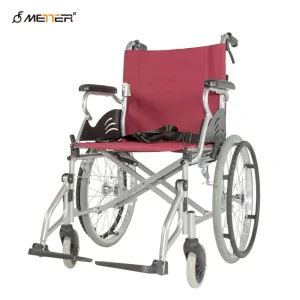
In the field of high-performance mobility engineering, the structural difference between folding frame wheelchairs and rigid frame wheelchairs translates directly into clinical user efficiency. Folding wheelchairs utilize a cross-brace design that inherently allows micro-flexing during propulsion. This structural flexing absorbs kinetic energy, meaning a portion of the force exerted by the user is dissipated into the frame rather than propelling the wheelchair forward.
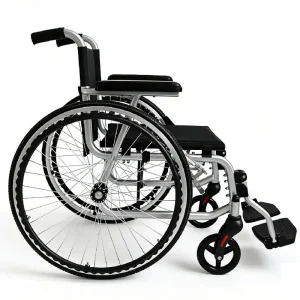
A rigid frame wheelchair, by contrast, utilizes a welded monolithic structure. By eliminating moving joints and cross-braces along the primary load-bearing chassis, the frame offers exceptional torsional rigidity. The mechanical benefits are immediately measurable:
The primary historical critique of rigid frame configurations was their transport limits. Modern engineering overcomes this limitation through the introduction of quick-release rear wheels. At the center of this design is a high-tensile steel quick-release pin configured with spring-loaded locking balls at the distal end.
When the user or caregiver depresses the central hub button, the internal pin slides forward, allowing the locking balls to retract inside the axle diameter. This permits the entire rear wheel assembly (hub, spokes, rim, and tire) to be removed from the frame receiver socket in under two seconds without tools. The remaining frame is compact and easily loaded into standard automotive passenger spaces, offering the superior driving characteristics of a rigid frame with the transport convenience of a folding layout.
Changshu Pingfang Wheelchair Co., Ltd. is a premier developer and manufacturer of professional rehabilitation devices.
Established in August 2010 with a modern production facility spanning over 3,000 square meters, we are a recognized high-tech enterprise. We integrate independent R&D, precision manufacturing, and international trade channels, focusing on custom-configured manual chairs, high-end intelligent power wheelchairs, and professional-grade athletic chairs.
How Pingfang combines material innovation and ergonomic design to create industry-leading mobility gear.
Patented Foldable Frame design and lightweight materials that make storage and vehicle transfer effortless without sacrificing structural strength.
Advanced Lithium Battery chemistries matched with high-efficiency energy-saving brushless motors for extended travel ranges and reliable performance.
Proprietary brushless motor drivetrains combined with highly adjustable, ergonomically contoured seating to reduce skin interface pressure and prevent fatigue.
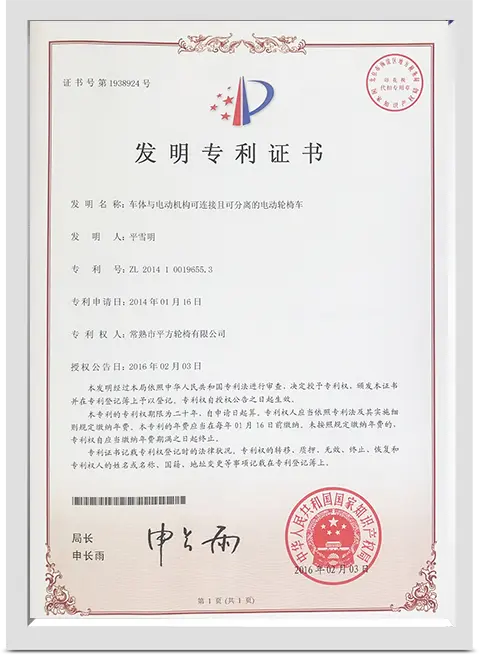
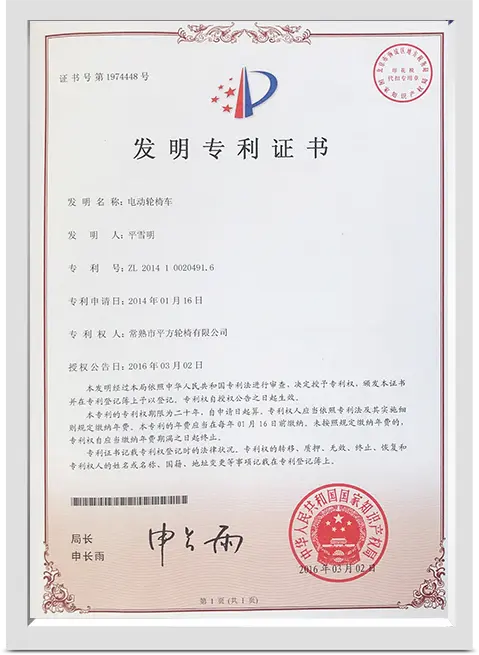
Exclusive engineering solutions in folding mechanisms, custom hub lock systems, and shock-absorption systems certified by national design patents.
All-terrain capabilities built with a safety-first architecture, ensuring stability on ramps, gravel, and wet urban pavements.
As a premier China rigid frame wheelchair manufacturer, Pingfang engineers utilize strict quality criteria for select structural metals. The choice of chassis material determines the dampening capacity, weight limit, and long-term fatigue limit of the frame.
Aerospace Aluminum (Alloy 6061-T6 & 7005): Aluminum remains the workhorse of active rigid wheelchairs. By heat-treating 6061 and 7005 alloys to a T6 temper, we achieve high yield strengths similar to structural steel at one-third of the density. We apply robotic TIG (Tungsten Inert Gas) welding with double-pass welds to prevent stress cracks at joint intersections.
Carbon Fiber (T700/T800 Carbon Matrix): For the ultimate lightweight performance, our custom-layup carbon fiber tubing isolates road vibrations far better than metallic frames. By structuring the carbon plies unidirectionally along stress vectors, we optimize lateral stiffness while maintaining vertical compliance for rider comfort.
Grade 9 Titanium (3Al-2.5V): Widely recognized as the luxury standard in manual mobility, titanium offers an exceptional strength-to-weight ratio and natural elasticity. Titanium frames function as built-in shock absorbers, cushioning the occupant from continuous vibrations over rough pavement.
A critical design variable in rigid manual wheelchairs is the wheel camber angle—the tilt of the rear wheels inward toward the frame. Standard configurations offer camber selections ranging from 0° (optimal for narrow doorway navigation) up to 18° (optimized for wheelchair sports).
We tailor our structural engineering to meet the exact requirements of different lifestyles and conditions.
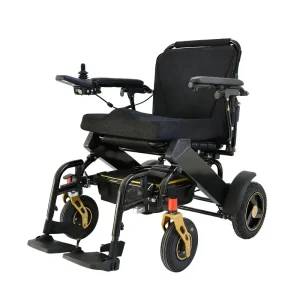
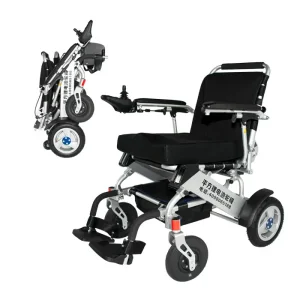
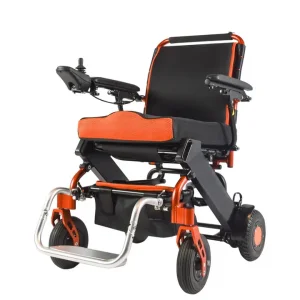
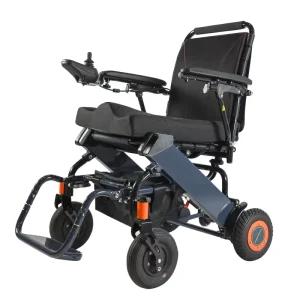
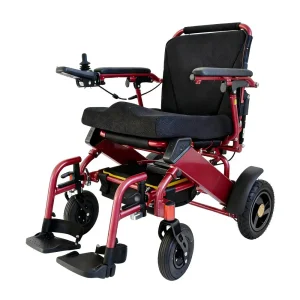
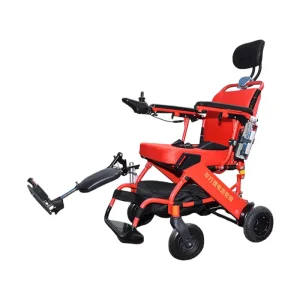
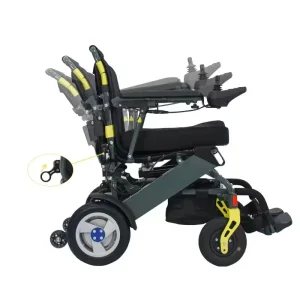
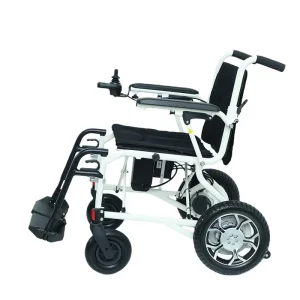
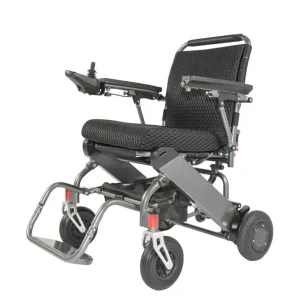
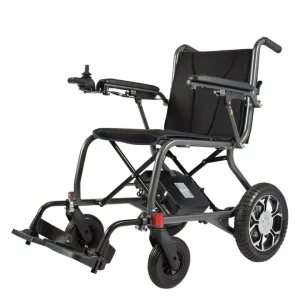
Intelligent, motorized mobility devices featuring advanced controls, smart folding, and lightweight lithium power units.
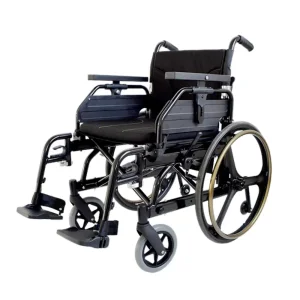
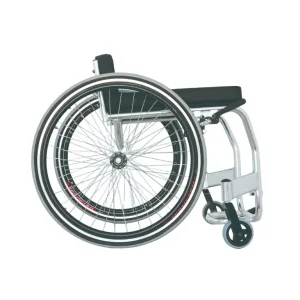
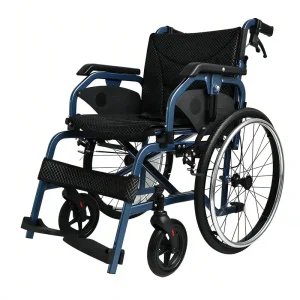
Precision-balanced manual configurations with quick-release axles and ergonomic adjustments for everyday independence.
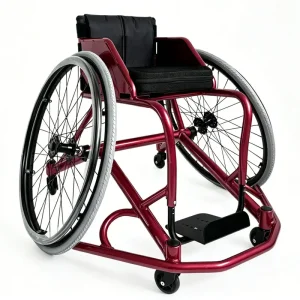
Designed with high-camber rigid geometry and high-strength frames tailored for basketball, table tennis, and track athletics.
Pingfang’s modern factory in Changshu benefits from China's advanced medical industrial cluster. Our strategic footprint allows us to source certified structural alloys, high-precision bearings, and custom controller electronics within a 100-kilometer industrial corridor.
By leveraging fully integrated, in-house processes—including initial frame tube bending, robotic multi-axis welding, electrostatic powder coating, and final dynamometer quality checks—we maintain control over dimensional tolerances. This direct control minimizes material waste and production delays, allowing us to pass significant cost savings to our OEM and B2B global distribution partners.
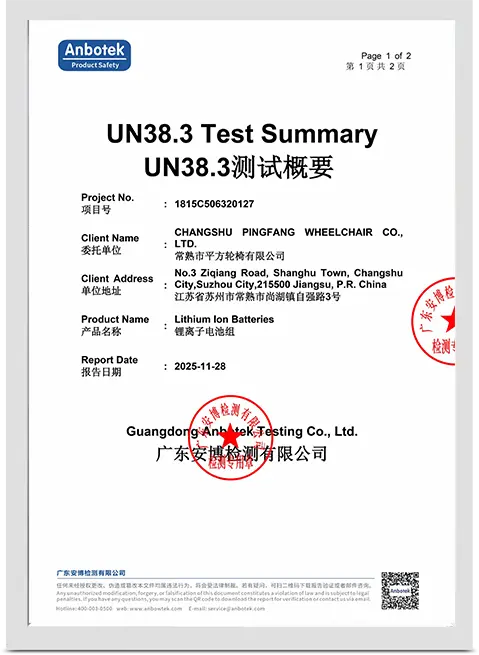
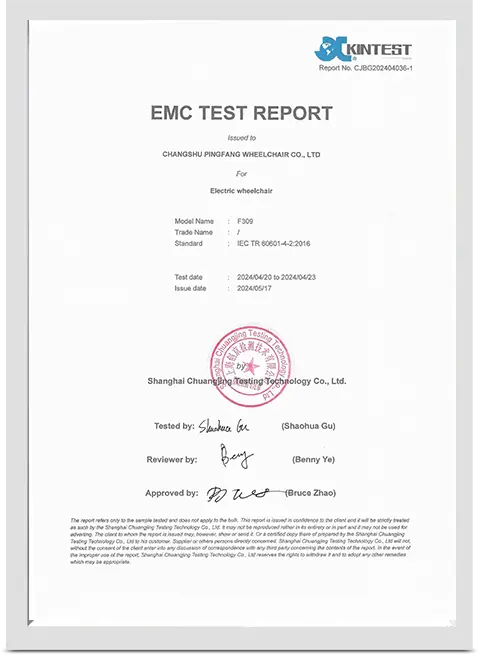
Rehabilitation hardware demands absolute reliability. Pingfang systems undergo static, dynamic, and fatigue strength testing under ISO 7176 standards. Our medical mobility designs are registered under international regulatory frameworks:
How Pingfang mobility equipment delivers independence and empowers communities worldwide.
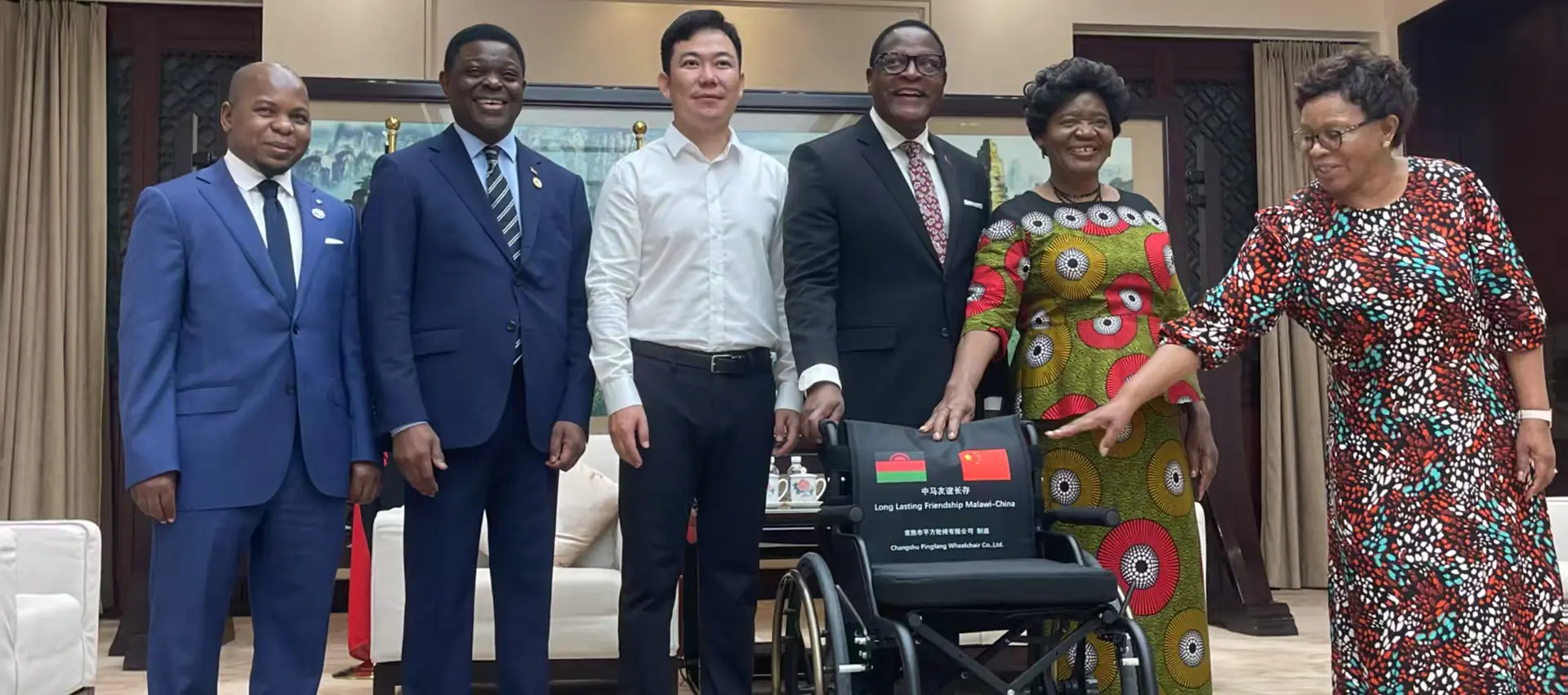
Changshu Pingfang Wheelchair Co., Ltd. demonstrated its commitment to global social responsibility by donating 100 sports and leisure wheelchairs to Malawi. This program provided rural regions and schools with high-durability manual wheelchairs, establishing sports clubs and helping local athletes compete on regional levels.
Read Project Story →
Pingfang proudly contributed to the historic Beijing Olympics and Paralympics by providing custom high-performance electric wheelchairs. Our team delivered prompt technical support inside the athletes' village, ensuring competitors and officials moved safely and efficiently through the venues.
View Olympic Impact →
To supply our electric wheelchairs to France, Italy, and other European markets, our products passed the rigorous testing and certification processes required by their national social insurance systems. This approval enables local patients to receive full or partial reimbursements from their government health funds.
View Compliance Process →
As an avid photographer exploring China's landscapes, Mr. Lu required a reliable mobility solution that could keep pace with his artistic pursuits across diverse terrains. Pingfang provided a customized lightweight rigid manual chair with all-terrain front casters, giving him the independence to travel independently with his camera gear.
Read Lu's Journey →Our manufacturing facility and products comply with ISO, CE, and FDA safety regulations.
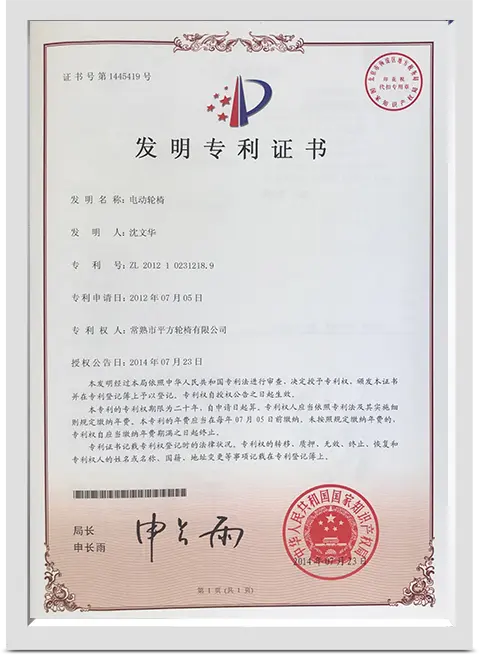
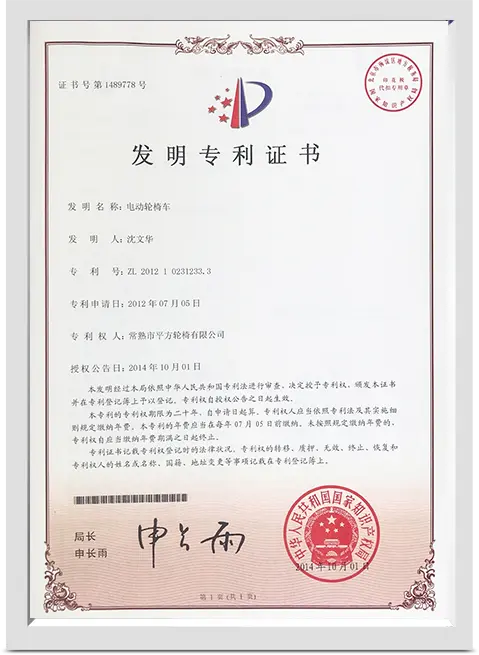
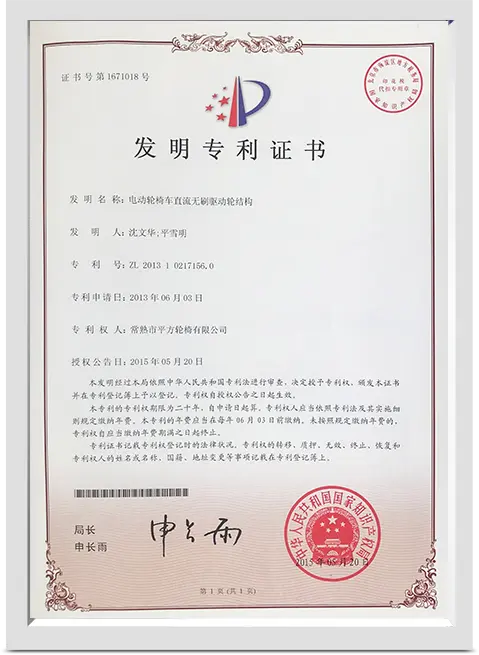





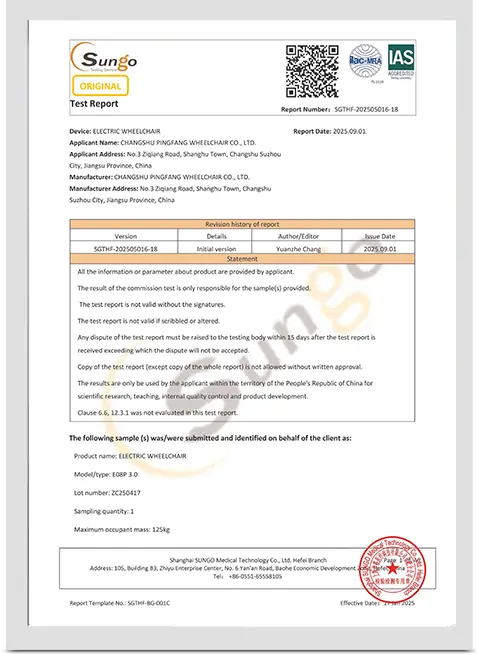
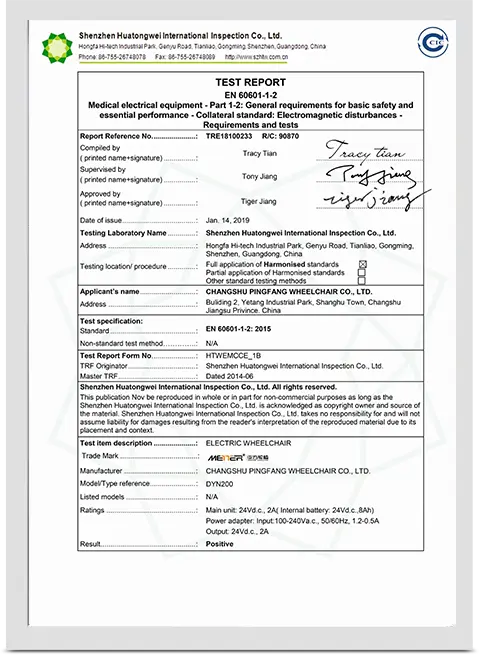
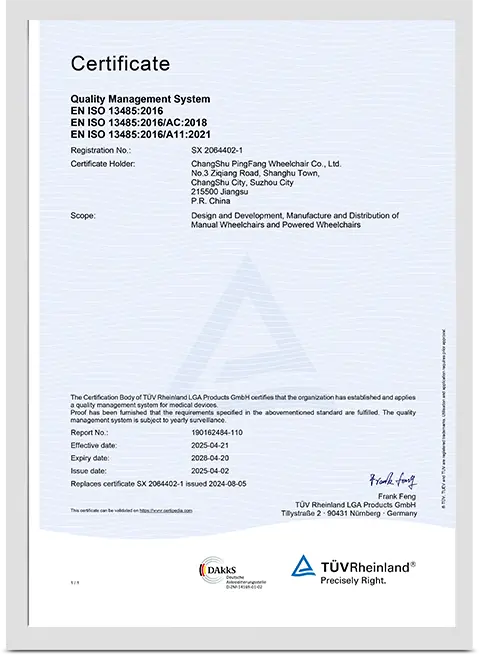
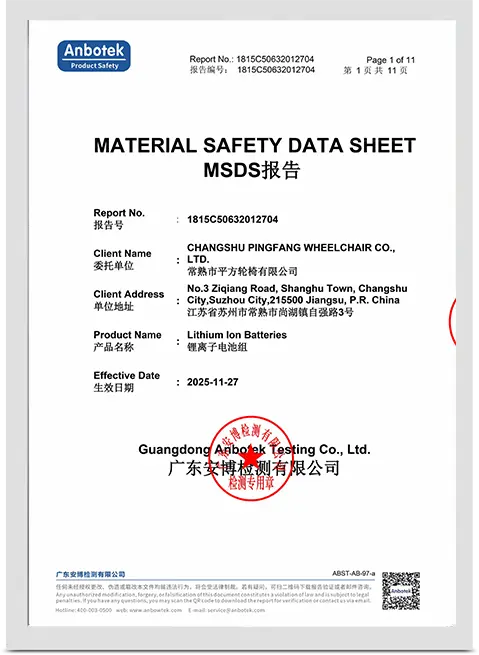

Read about our company milestones, championship achievements, and global market expansion.
 May 09, 2026
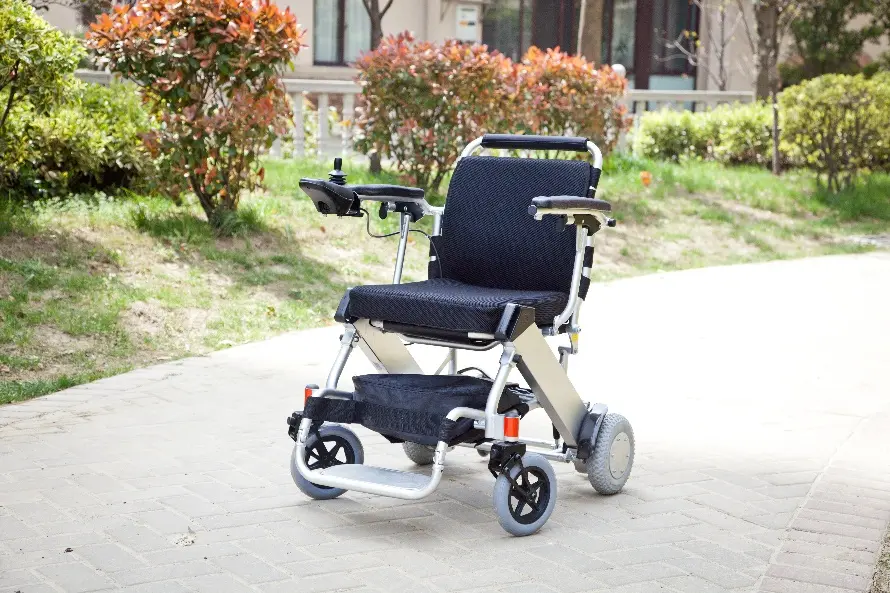
Detailing Pingfang's evolution from a regional manufacturing factory into a multi-national mobility solutions developer with advanced robotics.
 Dec 26, 2025
Expanding direct distribution lines into Western Europe and North America through certified B2B partners, offering CE-compliant power chairs.
 Dec 25, 2025
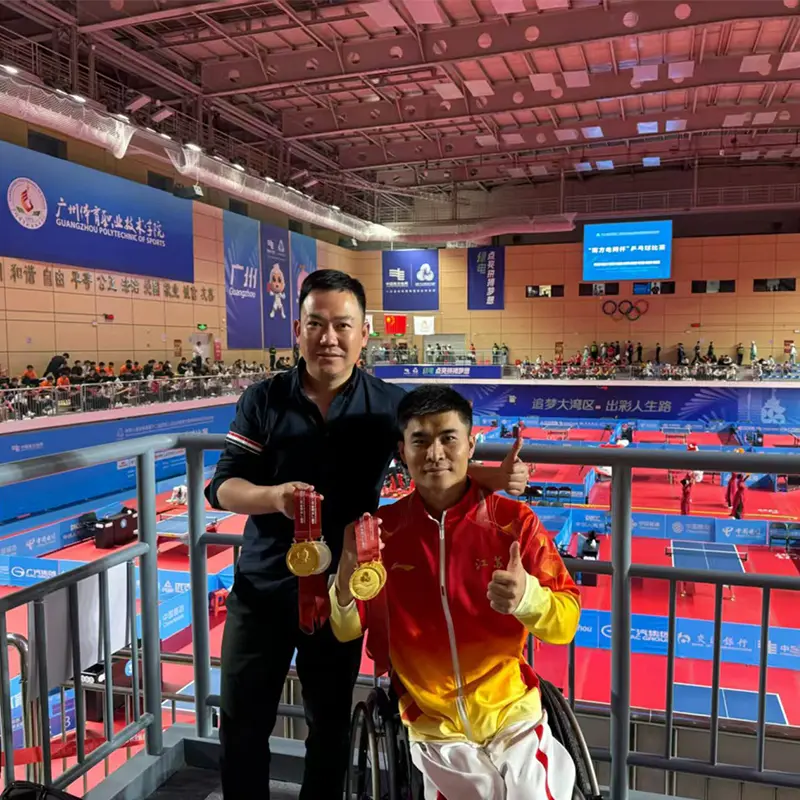
Pingfang's brand ambassador Cao Ningning dominates the table tennis event utilizing our custom-fit sports wheelchair designs.
Answers to common questions regarding rigid frame configurations, quick-release mechanisms, and customization options.
Contact us to discuss custom specs, bulk pricing, or international distributor terms. Our engineers will reply within 24 hours.
Designed for professional competitions and highly active lifestyles.