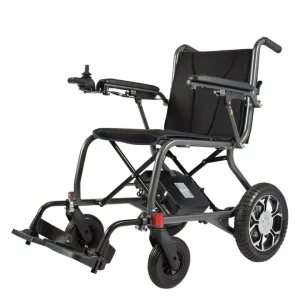
Whitepaper: Industrial Development, Global Sourcing Standards & Technological Roadmap of China's 4-Wheel Motorized Scooter Factories
The global demand for personal mobility devices has shifted from traditional passive rehabilitation aids to active, intelligent, and highly connected electric systems. As the center of gravity for medical device manufacturing, China’s 4-wheel motorized scooter and power wheelchair sector has evolved significantly. This transformation is driven by advanced lightweight materials, modern powertrain setups, and stringent global medical compliance standards.
For B2B procurement officers, healthcare distributors, and municipal buyers, sourcing directly from top-tier Chinese manufacturers is no longer just about cost-cutting; it is about establishing stable, collaborative research and development (R&D) partnerships. Understanding these technological shifts, manufacturing processes, and certification structures is essential to securing a sustainable competitive advantage in today's dynamic global market.
1. Macro Industry Trends & Global Procurement Demand
The aging global population has created a massive demand for personal mobility devices. According to demographic projections, the number of individuals aged 65 and over is expected to double by 2050, accelerating the demand for robust 4-wheel motorized scooters. These vehicles offer superior stability, higher payload capacities, and better multi-terrain capability compared to 3-wheel alternatives.
To meet modern demands, procurement teams focus on three key industry trends:
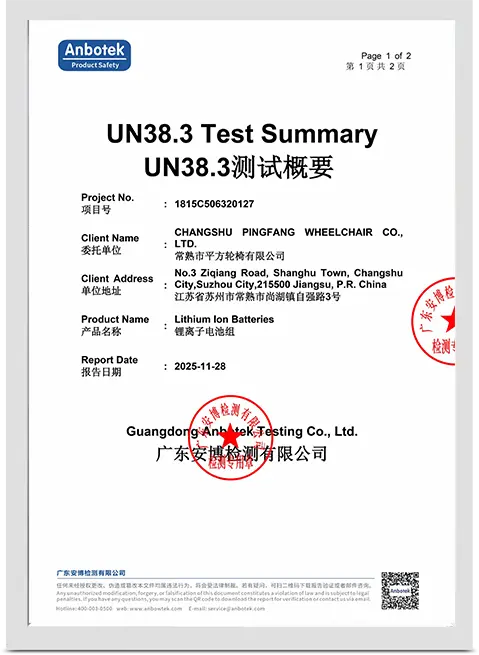
- Seamless Intermodal Transit: Modern devices must integrate easily with aviation and public transport. The transition from heavy, non-foldable structures to lightweight, airline-compliant (UN38.3 certified) designs is crucial for global markets.
- Integration with Public Infrastructure: Insurance programs in the EU and North America increasingly demand smart scooters with active collision avoidance, geo-fencing, and real-time remote diagnostics.
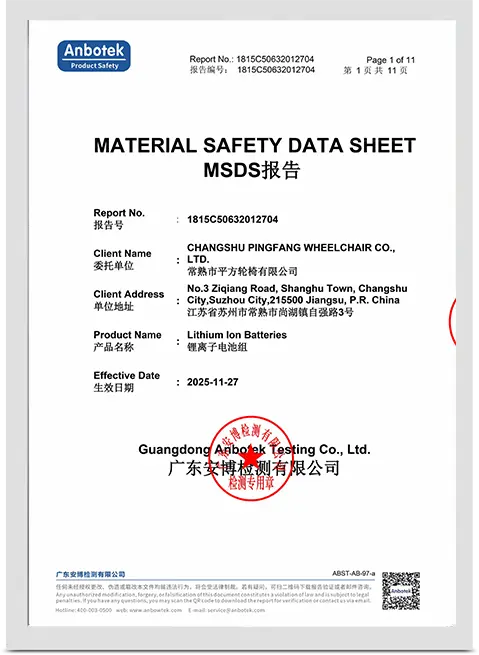
- Environmentally Sustainable Manufacturing: Factories are transitioning to circular economy principles, using highly recyclable aerospace aluminum-magnesium alloys and eco-friendly lithium chemistries instead of heavy lead-acid batteries.
2. Comparative Analysis: Battery & Motor Technologies
A key decision for global procurement managers is choosing the right powertrain and energy storage configurations. The table below outlines the core differences between traditional platforms and next-generation, high-performance setups:
| Technical Parameter | Traditional Lead-Acid Configuration | Next-Gen Lithium-Ion (LiFePO4/NMC) | Strategic B2B Implication |
|---|---|---|---|
| Energy Density | 30-50 Wh/kg | 150-250 Wh/kg | Reduces total weight by up to 60%, allowing for airline transport. |
| Cycle Life | 300-500 cycles | 1500-3000+ cycles | Lowers total cost of ownership (TCO) and minimizes warranty claims. |
| Motor Efficiency | 65% (Brushed Motor) | 85-92% (Brushless DC Motor) | Extends driving range per charge by 35% with the same battery capacity. |
| Braking Mechanisms | Frictional mechanical brakes | Regenerative Electromagnetic Braking | Features automatic zero-rollback on steep inclines to prevent accidents. |
3. Macro Industry Solutions: The Pingfang Engineering Standard
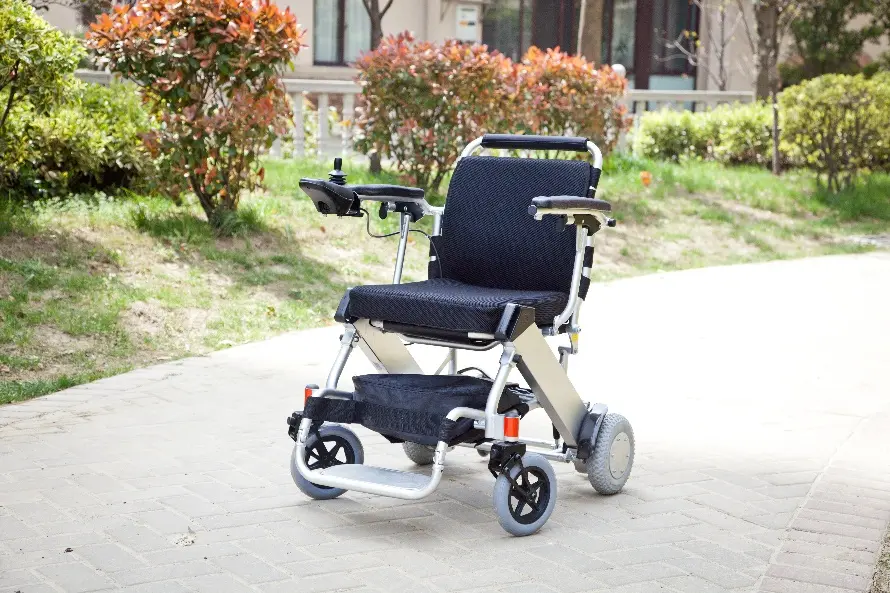
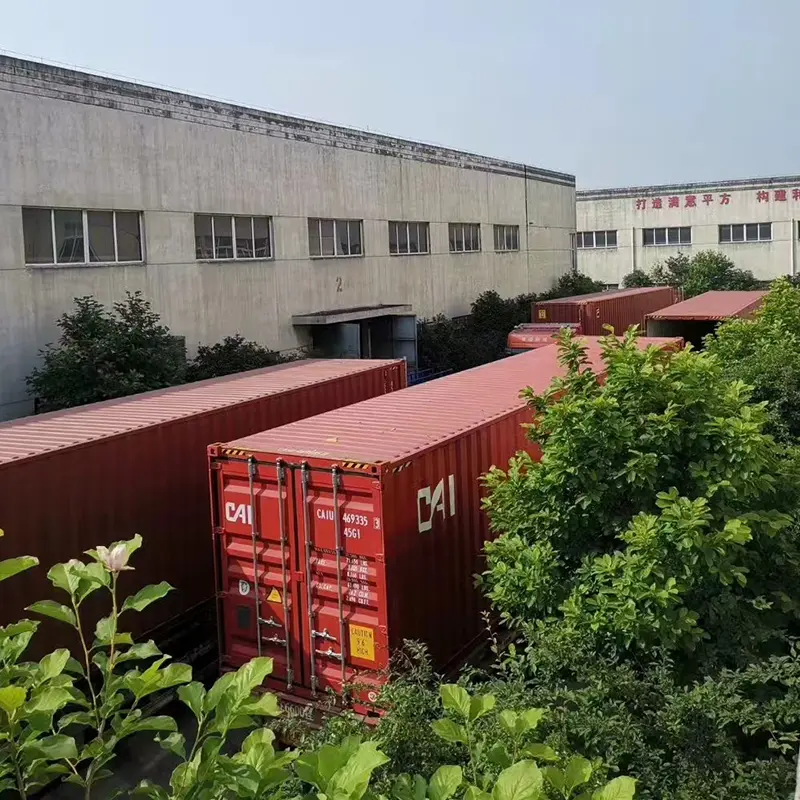
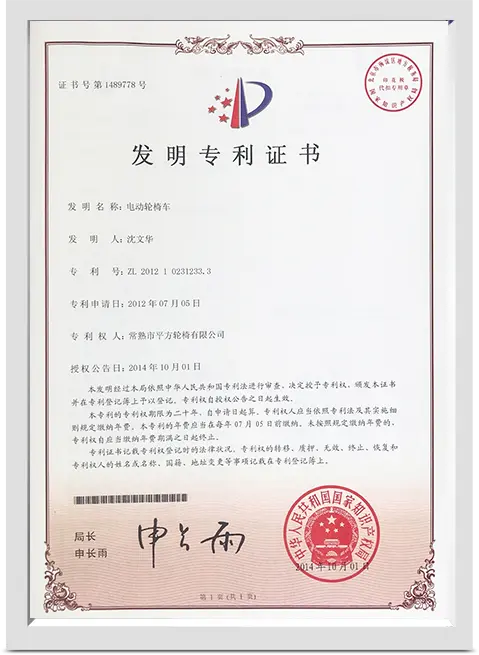
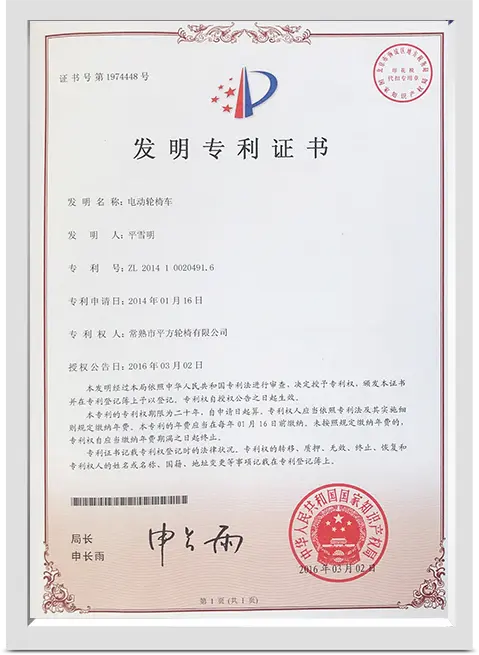
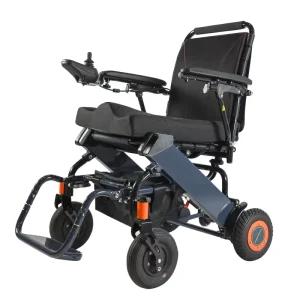
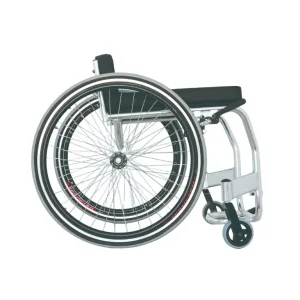
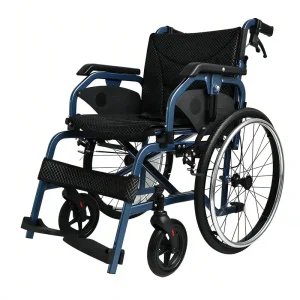
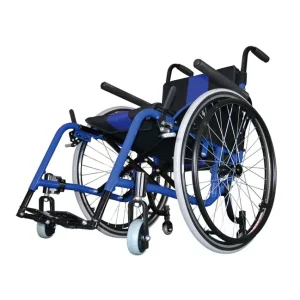
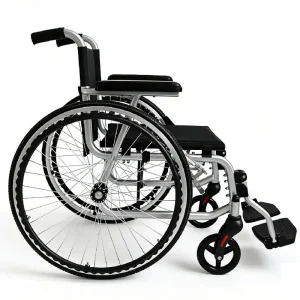
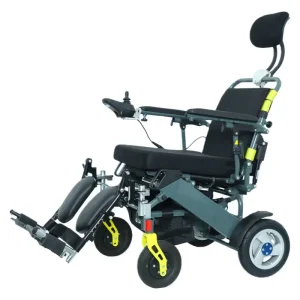
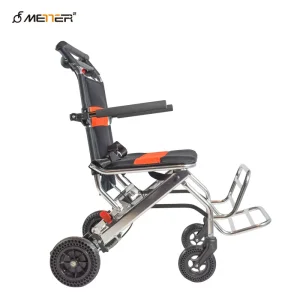
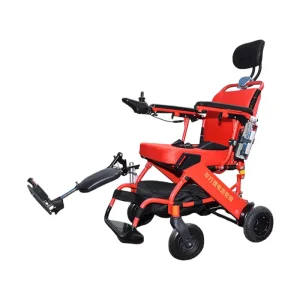
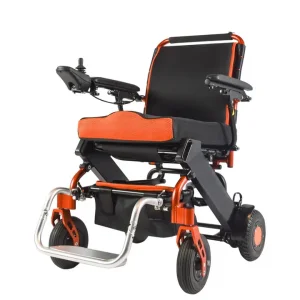
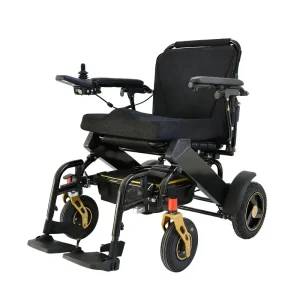
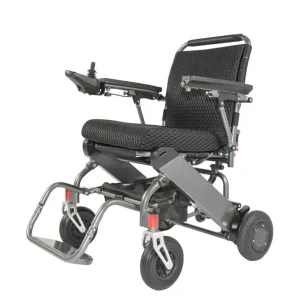
As a leading Chinese manufacturer, Changshu Pingfang Wheelchair Co., Ltd. combines advanced R&D with precision manufacturing. Operating from a state-of-the-art facility, Pingfang designs and manufactures premium intelligent electric, manual, and sports wheelchairs.
Pingfang's engineering principles focus on three core areas:
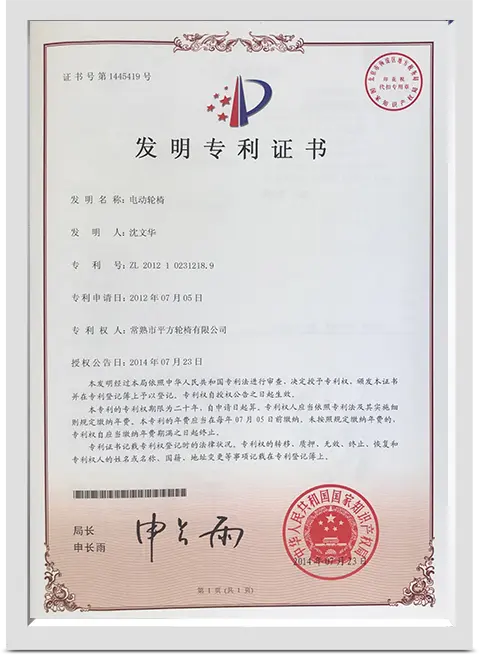
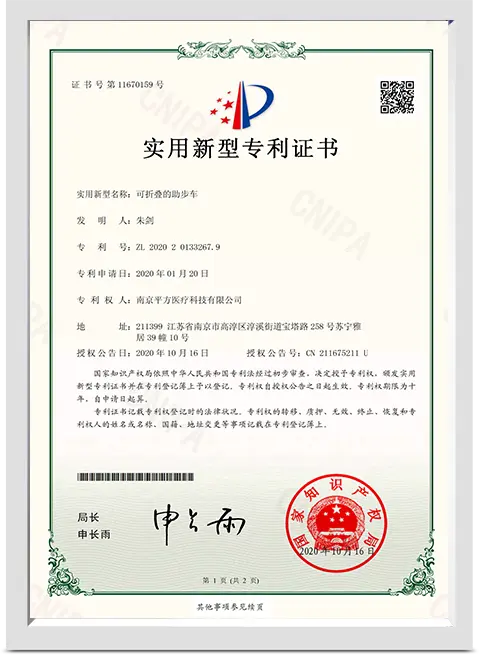
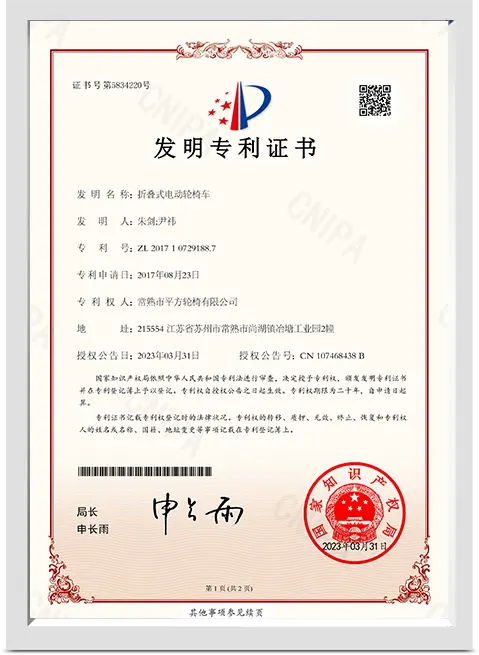
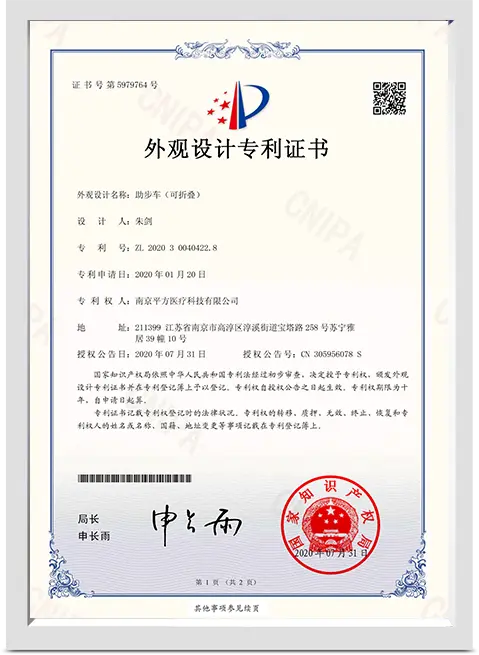
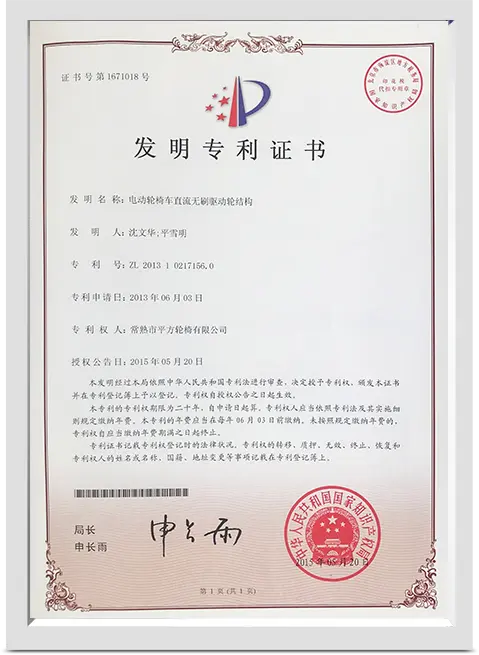
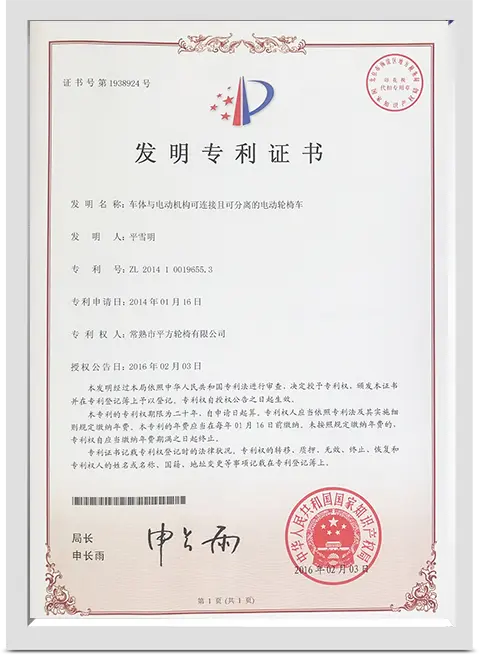
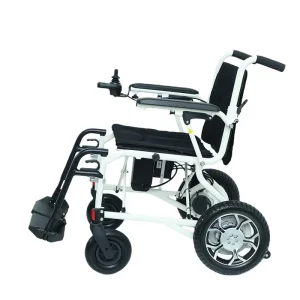
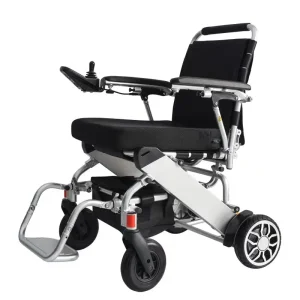
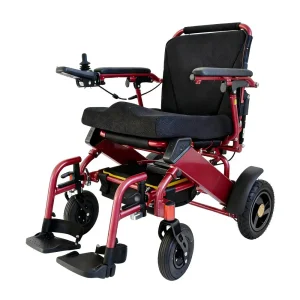
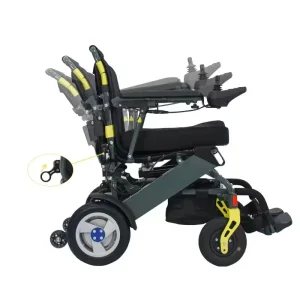
- Patented Foldable Frames: Using advanced X-frame geometries, the chassis distributes mechanical stress evenly, allowing users to fold the chair in seconds without compromising structurally.
- Regenerative Smart Braking: Advanced electromagnetic braking systems instantly engage if power is lost, preventing rollback on inclines and ensuring user safety.
- All-Terrain Stability: Optimized center-of-gravity placement and independent front-suspension geometries allow our 4-wheel designs to comfortably handle transitions between indoor floors and rugged outdoor paths.
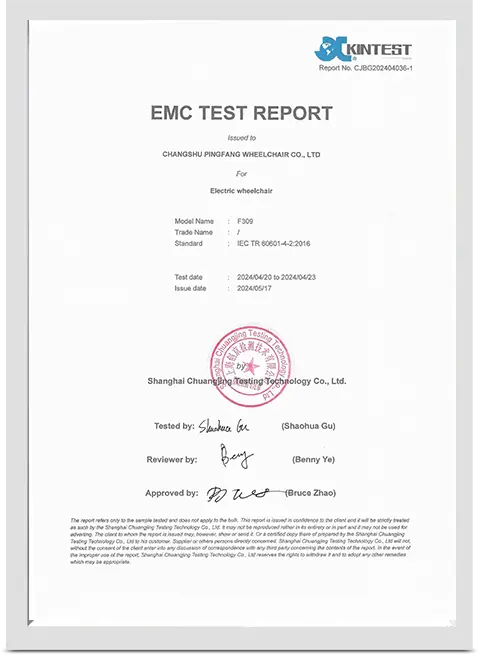
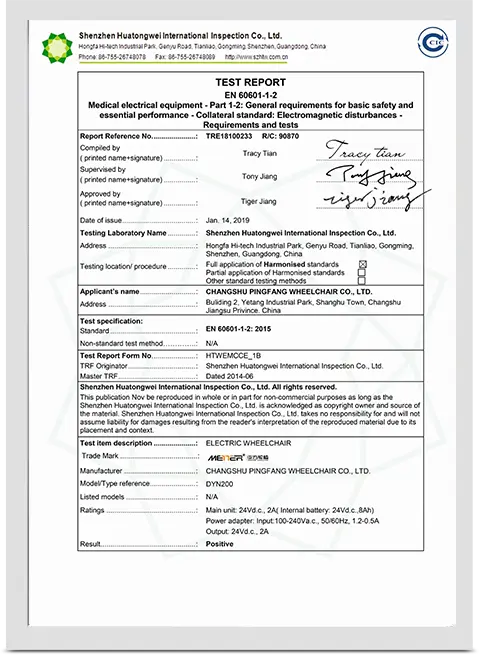
E-E-A-T Quality Focus: By sourcing core electronics and controller chips from top-tier global suppliers, Pingfang ensures electromagnetic compatibility (EMC) and low failure rates under demanding conditions.
4. International Certifications & Medical Device Compliance
Entering European and North American markets requires compliance with strict medical regulatory standards. Chinese factories must align with these regulations to sell their products globally:
- MDR Compliance (Europe): Electric mobility devices must comply with the European Medical Device Regulation (EU) 2017/745 (MDR) to obtain CE marking.
- FDA 510(k) Cleared (USA): Motorized scooters are classified as Class II medical devices, requiring extensive testing for biocompatibility, electrical safety (IEC 60601-1), and electromagnetic compatibility (IEC 60601-1-2).
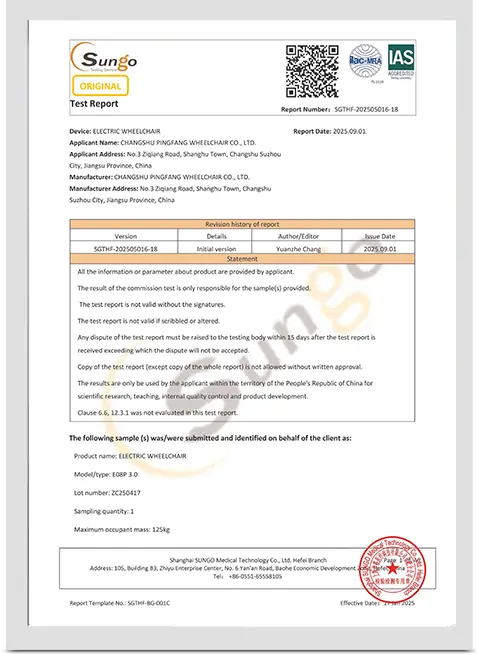
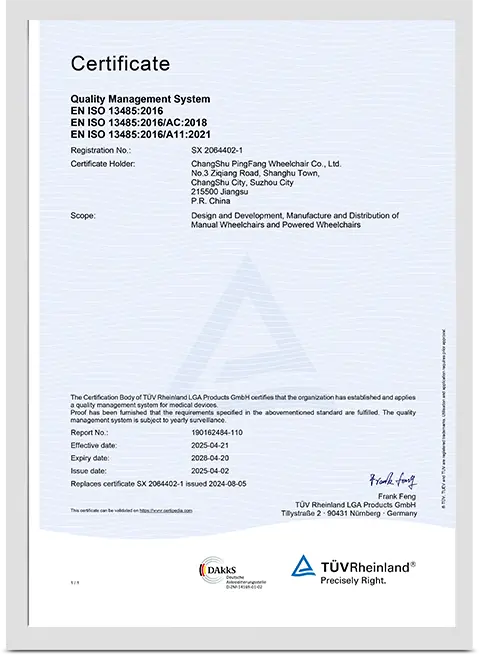
- ISO 13485 Quality Systems: Manufacturers must follow the ISO 13485 quality system for medical devices, guaranteeing complete traceability from raw materials to final assembly.
5. Case Studies: Global Integration & Social Responsibility
Our commitment to social responsibility and engineering excellence is reflected in several global success stories:
Case 01
Olympic Spirit in Malawi
Donated 100 sports and leisure wheelchairs to Malawi, showing our commitment to making mobility accessible worldwide.
Case 02
Beijing Paralympics
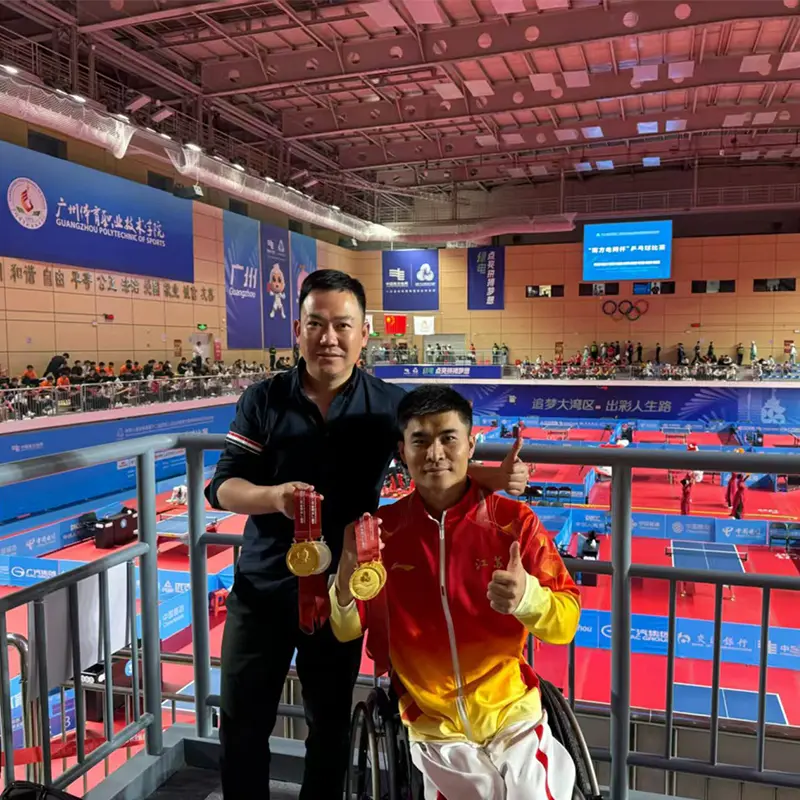
Provided high-performance custom electric wheelchairs, delivering reliable mobility during these high-profile games.
Case 03
European Public Health Systems
Successfully registered in France and Italy’s national social insurance systems after passing strict regional tests.