
High-performance mobility solutions featuring advanced materials, modular engineering, and long-range power units.
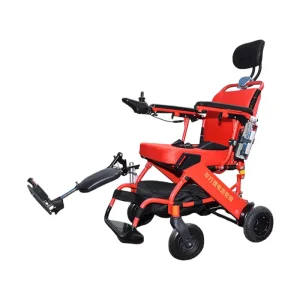
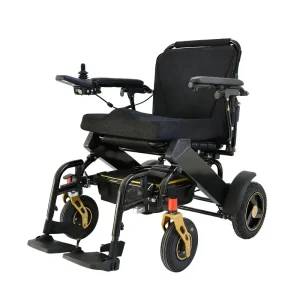
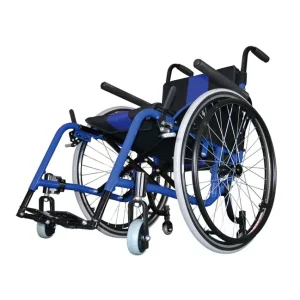
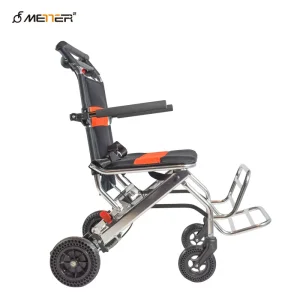
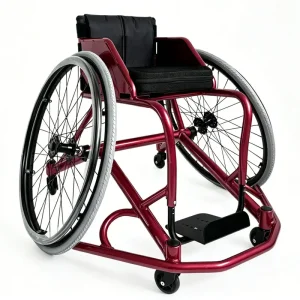
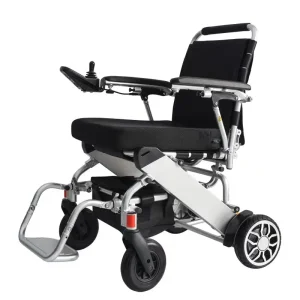
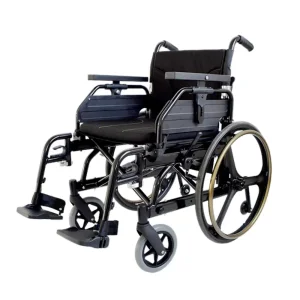
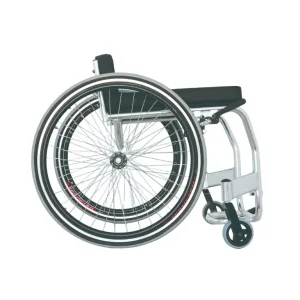
The global healthcare landscape is experiencing a structural transition. Rapidly aging demographics in North America and Western Europe, combined with the integration of universal access regulations, are generating significant demand for high-capacity, medical-grade mobility systems. In this highly regulated B2B space, corporate and institutional procurement directors face a dual challenge: acquiring systems that offer long-term mechanical reliability (low maintenance) while remaining within realistic fiscal boundaries (affordability).
CE Certification (under the European Union Medical Device Regulation MDR 2017/745) serves as the baseline standard for performance, safety, and operational safety. Achieving compliance requires rigorous engineering standards, electromagnetic compatibility (EMC) testing, and biophysical safety assessments. For global distributors, municipal healthcare divisions, and major clinical chains, partnering with verified manufacturers that operate within China’s Factory 4.0 frameworks offers a reliable route to achieving regulatory security, cost control, and supply chain consistency.
In the past, electric wheelchairs required frequent, specialized technical maintenance due to brush wear in motors, high-maintenance lead-acid batteries, and complex mechanical linkages. Today, the industry is moving toward integrated, low-maintenance designs. Key developments include:
1. Brushless DC (BLDC) Motor Integration: By replacing standard carbon-brush motors with electronic commutation, modern powerchairs eliminate mechanical friction points. This increases system efficiency by over 30%, reduces heat generation, and removes the need for brush replacements.
2. Smart Battery Management Systems (BMS): The transition from heavy lead-acid to intelligent lithium-iron-phosphate (LiFePO4) or advanced lithium-ion cells has transformed powerchair design. Modern systems include built-in BMS units that protect against overcharging, deep discharge, and thermal runaway, extending operational lifetimes up to five years.
3. Modular Aerostructure Alloys: Utilizing aircraft-grade aluminum alloys (such as 6061 or 7003 series) combined with automated robotic welding ensures clean joints and prevents structural fatigue. This corrosion-resistant frame configuration eliminates the rust and stress-cracking common in basic steel alternatives.
How Changshu Pingfang Wheelchair Co., Ltd. integrates advanced design, manufacturing, and distribution within a 3,000-square-meter facility.
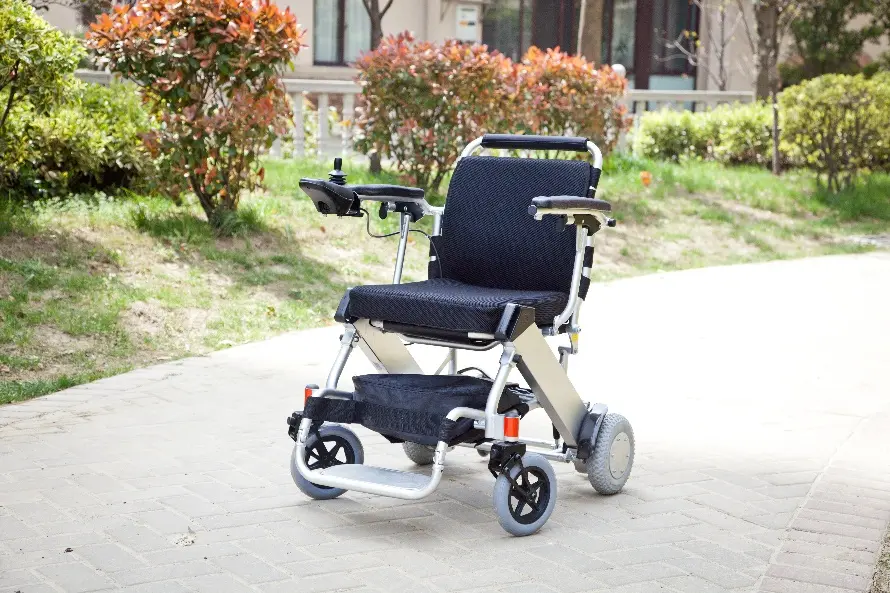
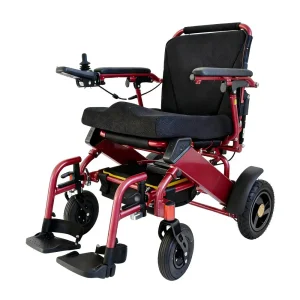
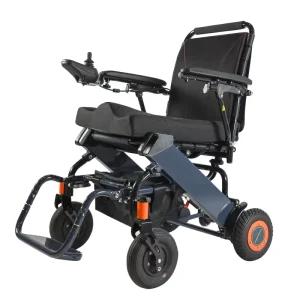
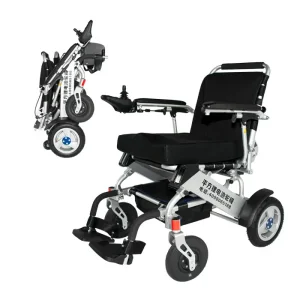
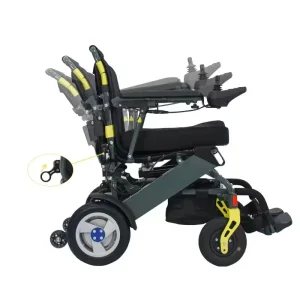
Patented foldable frame technology using lightweight, high-tensile alloys. Ideal for air travel, public transit, and compact vehicle storage without sacrificing structural strength.
Advanced lithium battery packs paired with energy-saving brushless motors and smart controller systems. Delivers extended range with minimal transmission loss.
Multi-position recline configurations, pressure-redistributing seat cushions, and flip-up armrests designed for extended daily use in varied environments.
Proprietary mechanical designs developed by our in-house R&D team, protecting B2B clients from regional patent disputes and intellectual property risks.
Equipped with electromagnetic braking systems, anti-tip rear wheels, and high-traction tread patterns to ensure stability on inclines and uneven surfaces.
Flexible OEM and ODM options to modify joystick configurations, load capacities, framework colors, and packaging design to align with target market requirements.
B2B purchasers—including medical equipment distributors, governmental health bodies, and non-profit organizations—must evaluate equipment based on total cost of ownership (TCO) rather than the initial purchase price alone. A low purchase price can be quickly offset by high warranty maintenance costs, replacement battery logistics, and frame failures.
Key procurement metrics include:
Mobility equipment must adapt to diverse operational environments. For example, urban environments in Europe require lightweight, folding powerchairs that can navigate narrow lifts and historic streets. Conversely, rural healthcare initiatives require sturdy frames and higher-capacity battery configurations.
Through active involvement in international supply initiatives, we have optimized our product range for these specific localized needs:
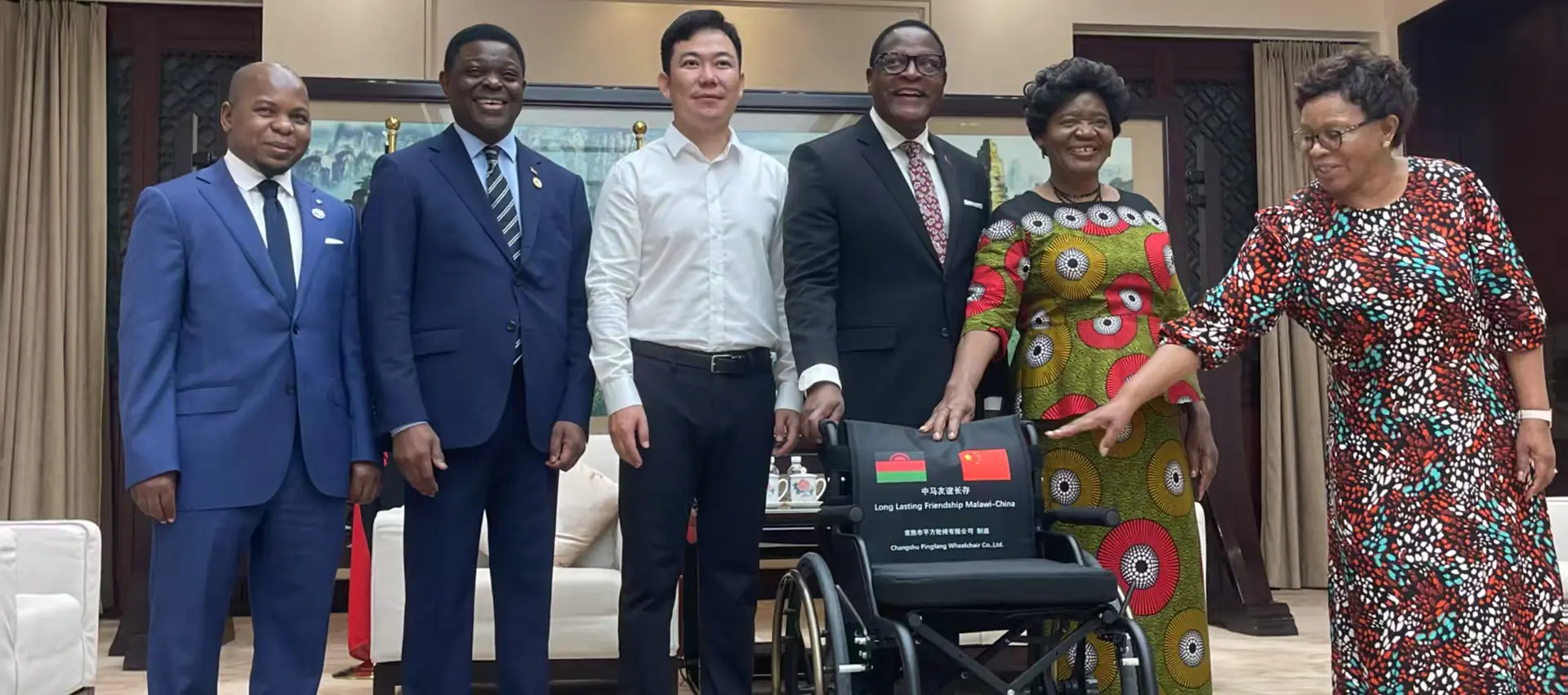
Donated 100 sports and leisure wheelchairs to support local mobility initiatives and improve accessibility in regional clinics.
Read Success Story →Supplied high-performance mobility chairs to assist organizing staff and athletes during the Olympic and Paralympic Games.
Read Success Story →Passed rigorous technical evaluations to qualify for reimbursement under national health insurance systems in France and Italy.
Read Success Story →Developed specialized configurations to help landscape photographer Mr. Lu travel across diverse terrains in China.
Read Success Story →Verified manufacturing processes backed by globally recognized medical device testing and quality control protocols.
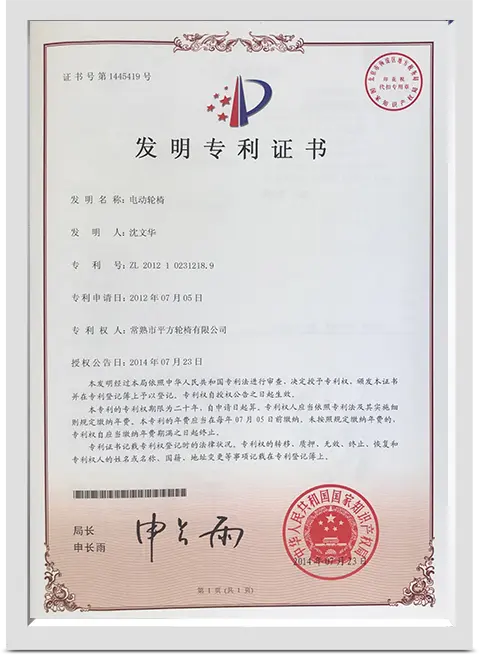
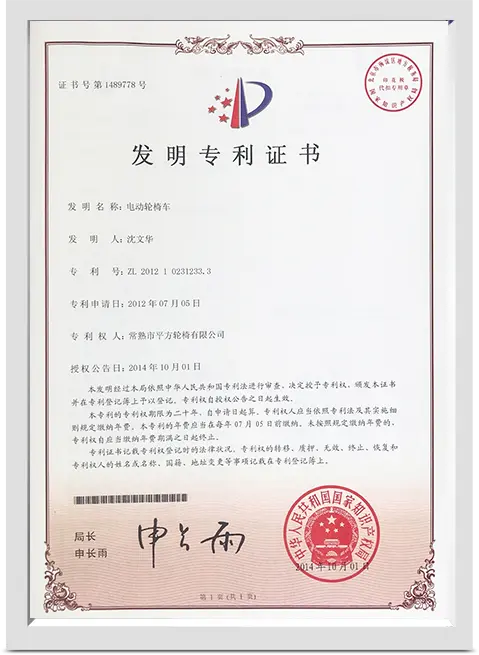
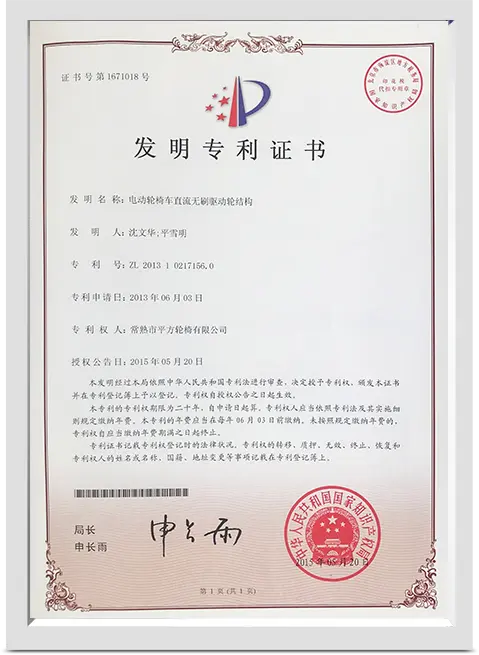
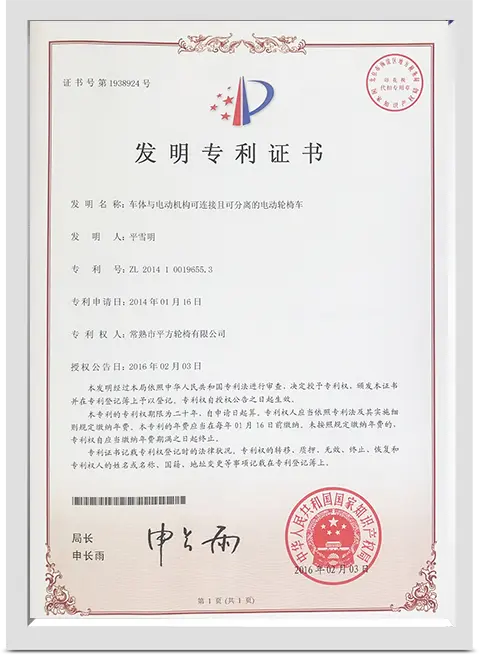
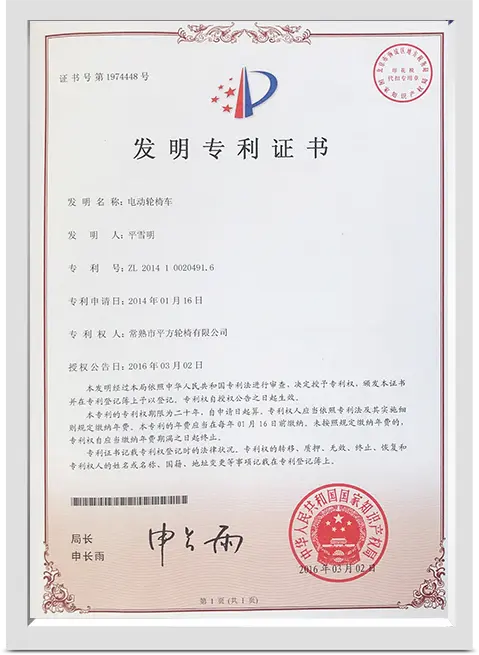
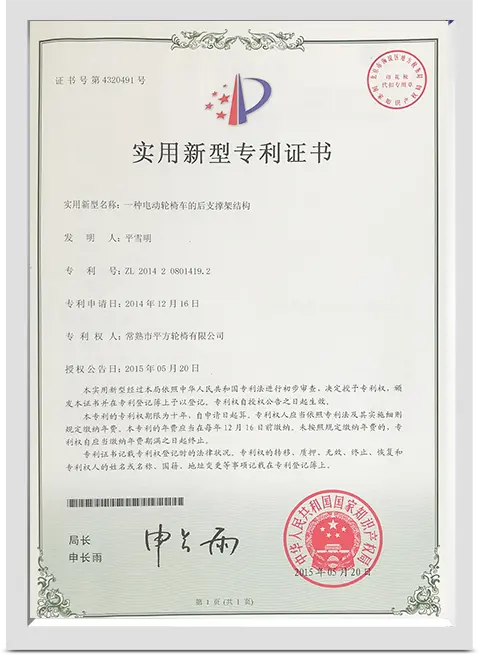
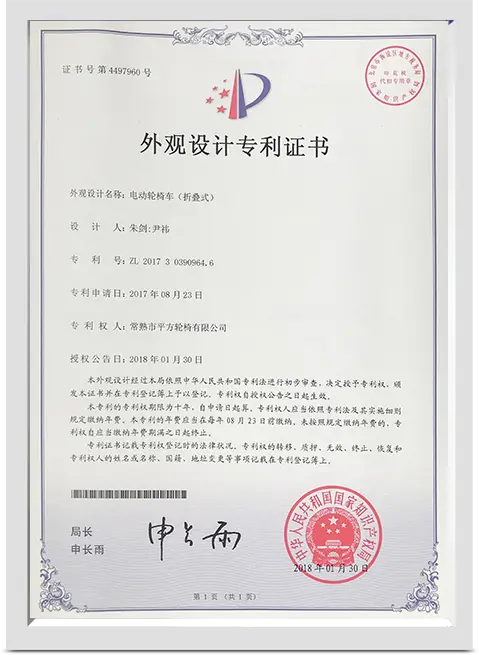
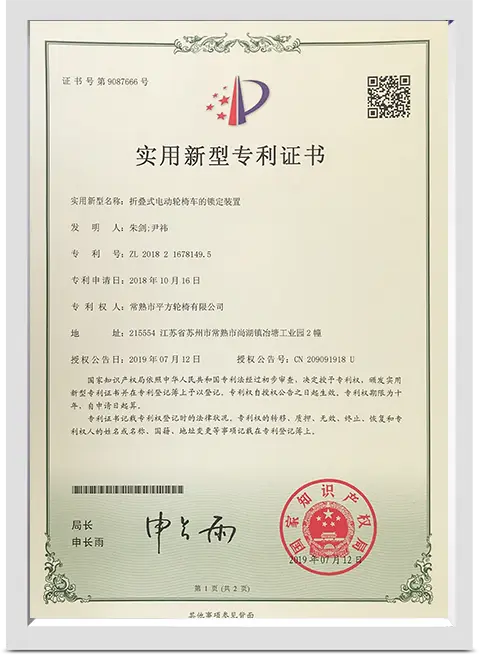
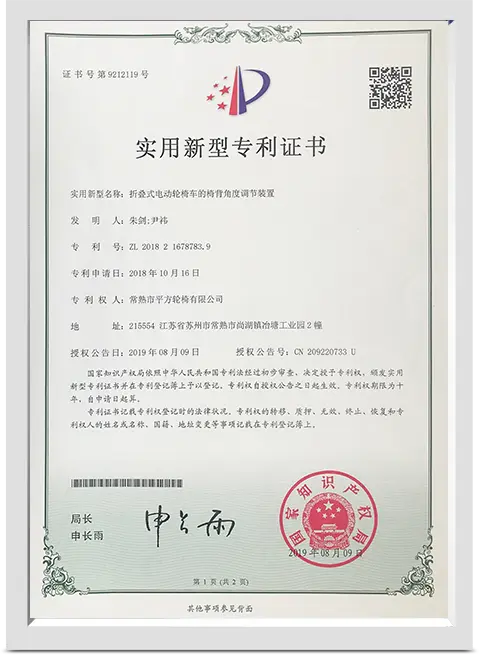
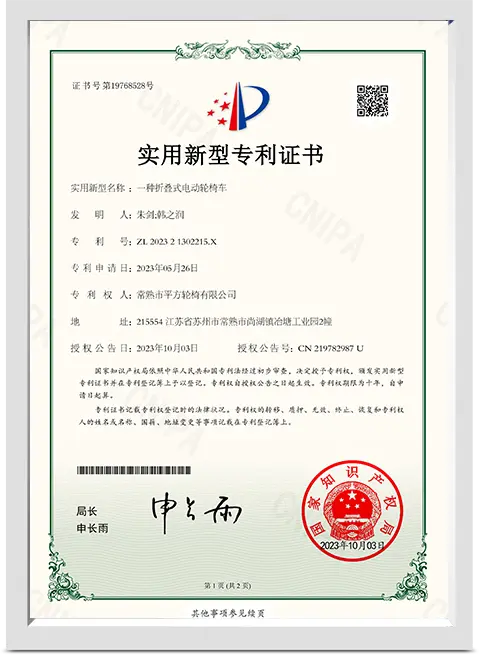
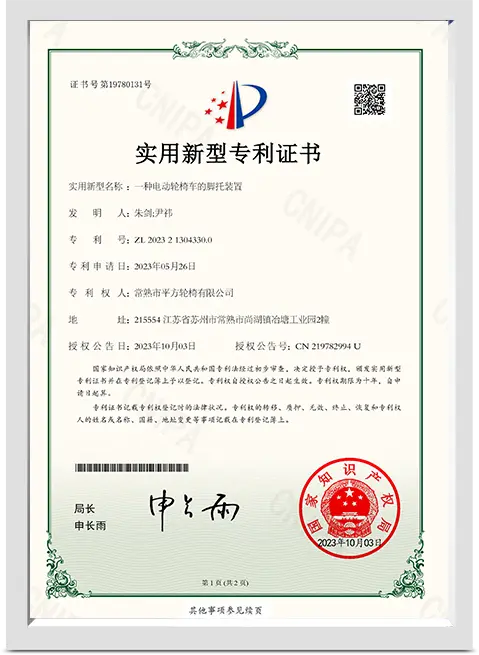
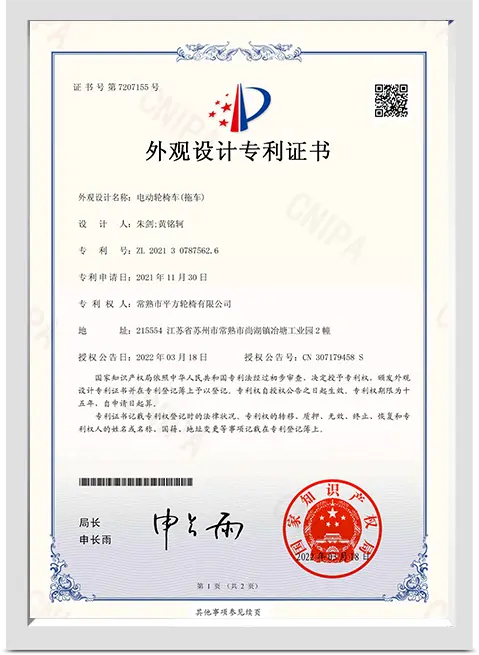
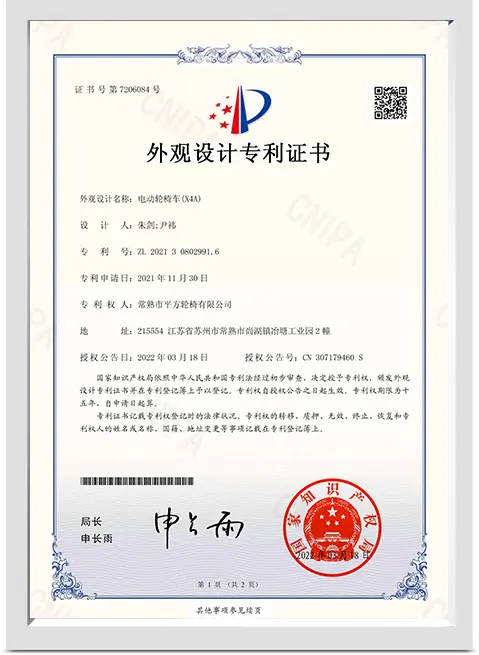
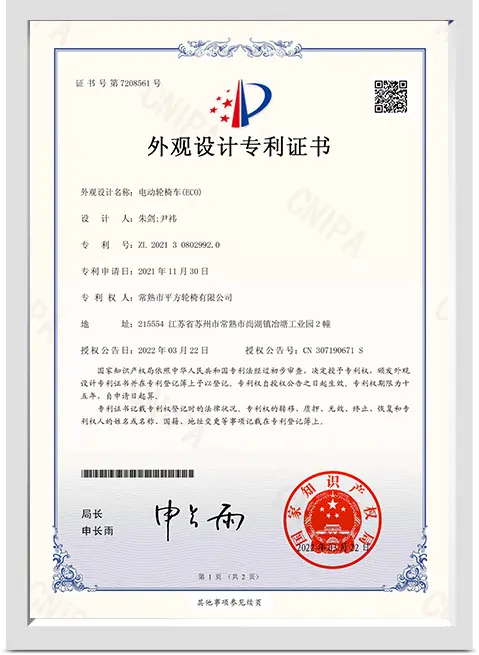
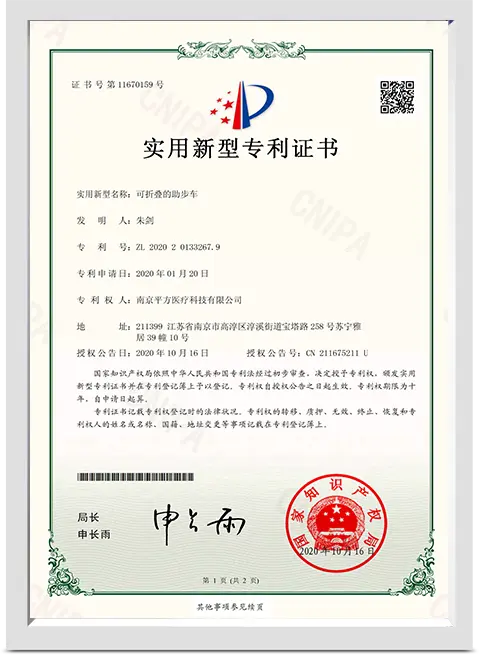
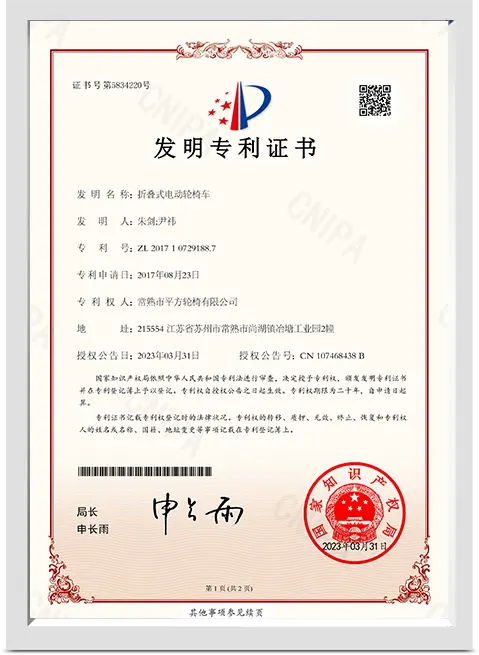
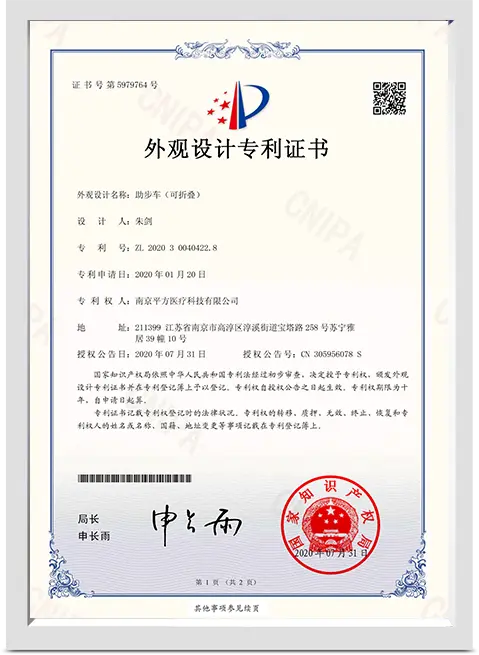





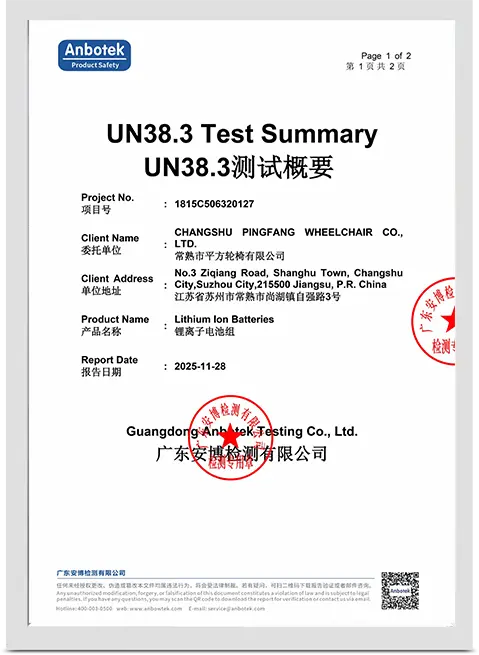
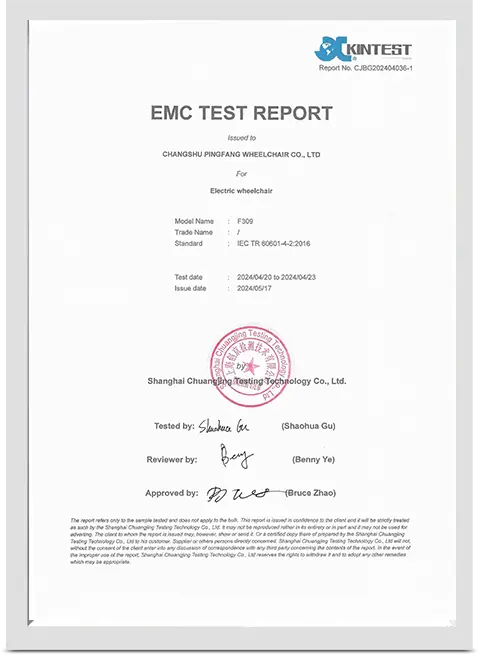
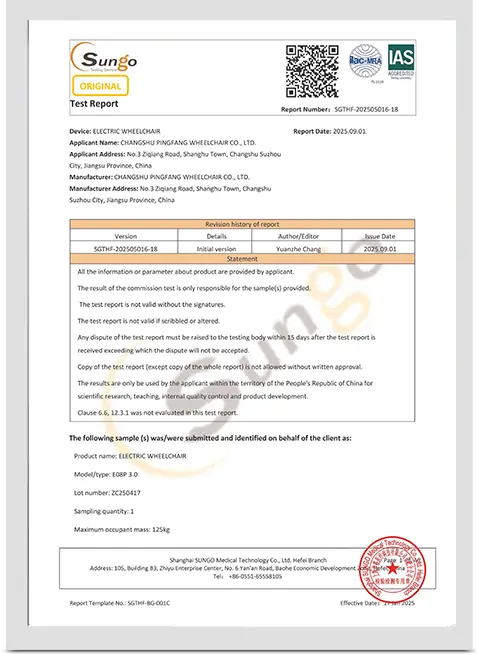
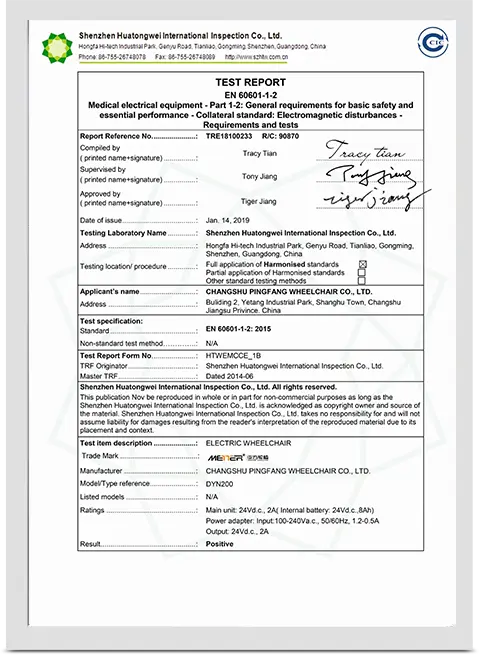
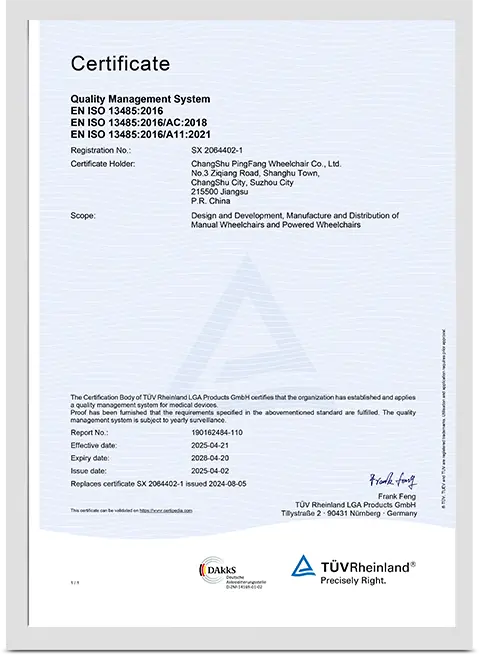
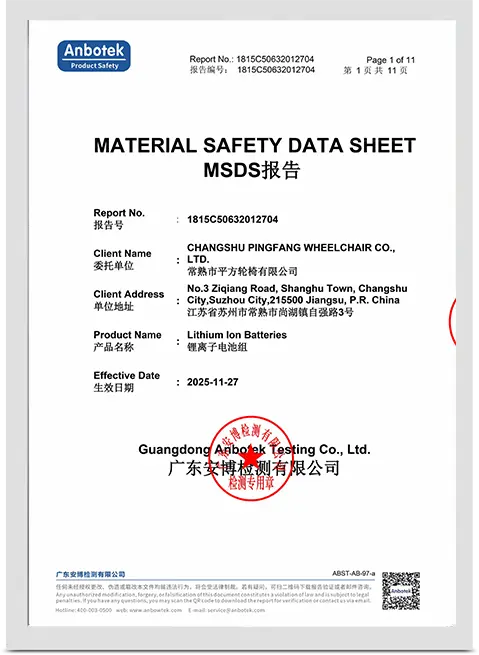

Tracking our progress in technical development and international distribution markets.
Reviewing key steps in scaling our clean-room facilities and automated framework production lines.
Read More →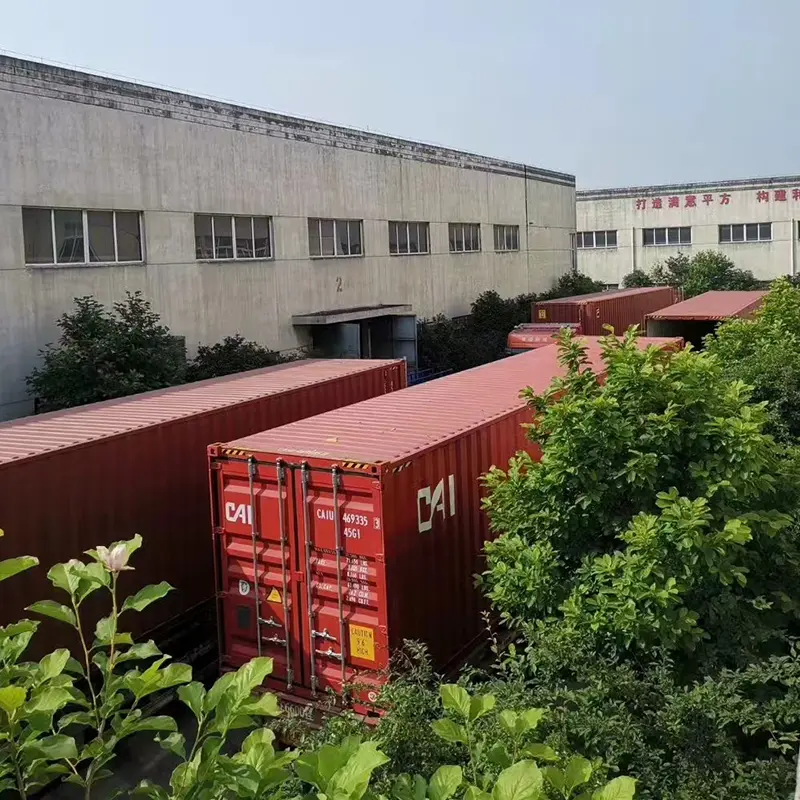
Our intelligent electric wheelchair models continue to gain market share across EU, North American, and Southeast Asian distribution channels.
Read More →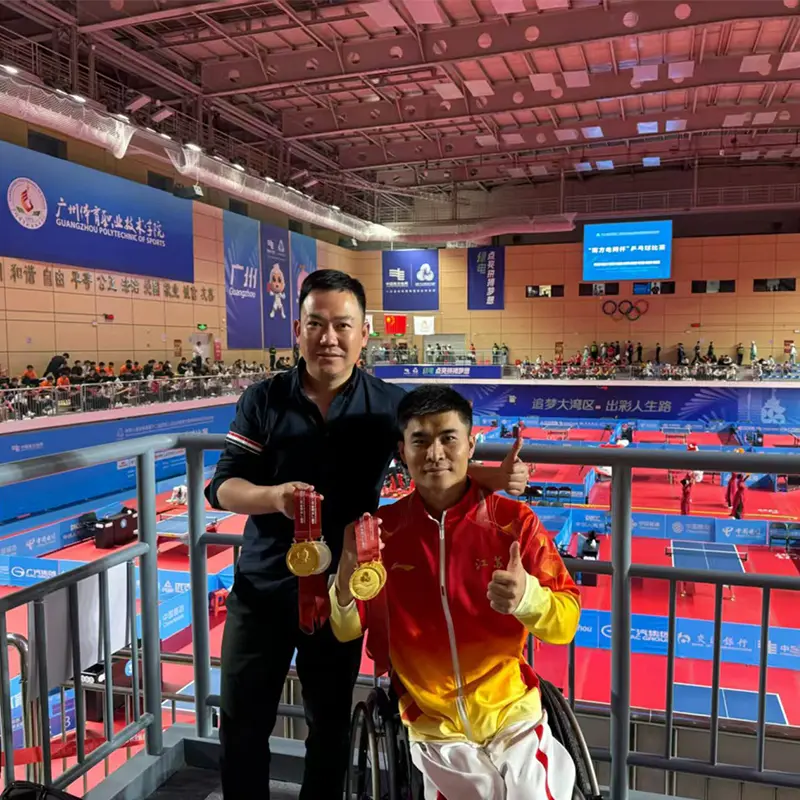
Pingfang athlete Cao Ningning secured double gold medals, highlighting the stability and performance of our sports wheelchair line.
Read More →Key technical and commercial considerations for B2B buyers evaluating powerchair manufacturers.
CE Certification confirms that a powerchair complies with the safety, health, and environmental standards of the European Economic Area (EEA). Under the current Medical Device Regulation (MDR 2017/745), electric wheelchairs are classified as Class I medical devices, requiring a verified Quality Management System (ISO 13485) and detailed Technical Documentation. Importing non-compliant devices carries significant regulatory risks, including potential product seizures and liability concerns.
Our low-maintenance design focuses on minimizing typical failure points: we use brushless DC motors (eliminating carbon brushes), integrated smart controllers that prevent electrical overloads, sealed lithium-ion batteries that require no maintenance, and high-strength aluminum alloy frames that resist corrosion. This design reduces long-term maintenance requirements for B2B fleet operations.
Standard OEM production lead times generally range between 35 to 45 days, depending on order size and customization requirements (e.g., custom frame geometries, specialized controller programming, or co-branded packaging). ODM orders requiring custom molds or unique structural elements may take longer to accommodate engineering and prototyping phases.
All our lithium battery configurations undergo testing to meet UN38.3 requirements. This certification ensures our batteries are safe for air travel and sea transport, minimizing customs delays and simplifying international logistics for global distributors.
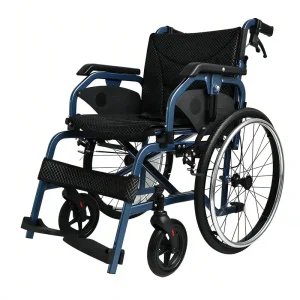
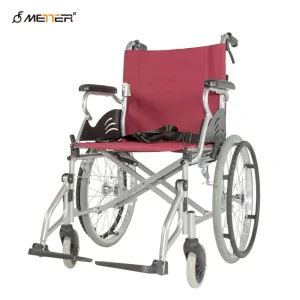
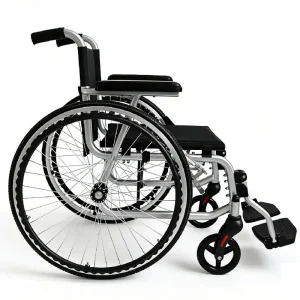
Highly adaptable manual models, sports-specific designs, and specialty configurations built to exact international standards.
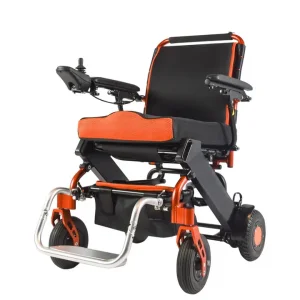
Contact our engineering division directly to request bulk pricing details, OEM/ODM specification forms, or certification documentation. A representative will respond within 24 hours.