
Engineered for compliance, dynamic safety, and cost-efficiency
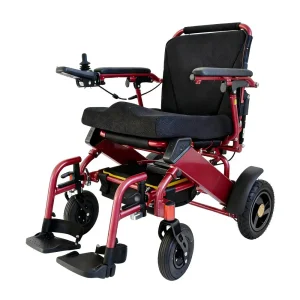
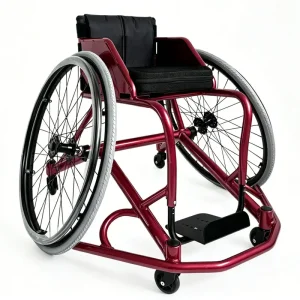
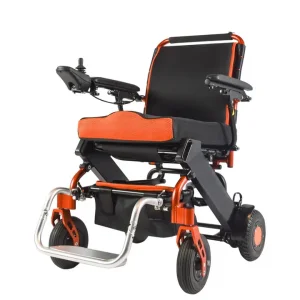
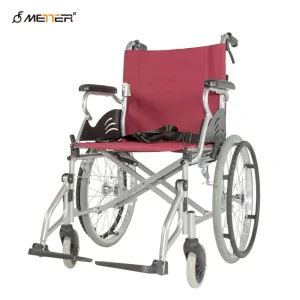
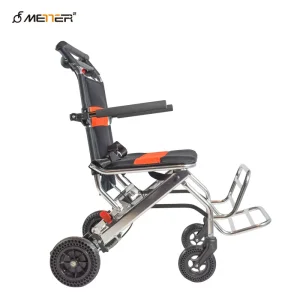
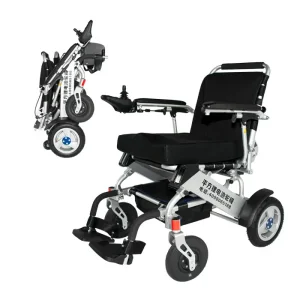
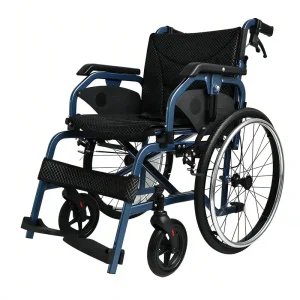
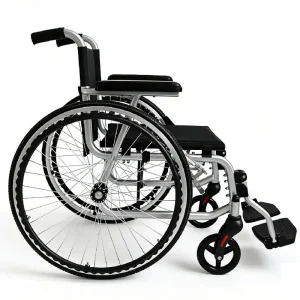
Global demand for high-performance, cost-effective assistive technology has reached an inflection point. With changing demographics, governments and non-governmental organizations (NGOs) face pressure to source affordable disability chairs that do not sacrifice safety, longevity, or ergonomic integrity. Sourcing high-quality mobility aids with CE Certification for low-income demographics involves navigating structural engineering parameters, medical device compliance pathways, and international supply chain economics.
This whitepaper, prepared by Changshu Pingfang Wheelchair Co., Ltd., analyzes critical design elements, international standards compliance, raw material procurement strategies, and global shipping metrics. By applying robust engineering solutions within our advanced manufacturing clusters, we show that "cost-effective" options can match premium benchmarks for safety, durability, and user dignity.
Under the European Medical Device Regulation (MDR) 2017/745, mobility chairs are classified as Class I Medical Devices. CE certification verifies that the device complies with rigorous safety and performance guidelines. Key harmonized testing criteria include:
For low-income procurement programs, CE compliance provides a guarantee of durability. It ensures that public agencies do not waste capital on sub-standard equipment that fails within months. Instead, they receive products engineered for a multi-year service life under harsh environmental conditions.
A High-Tech Enterprise Leading Intelligent Mobility Integration
Established in August 2010, Changshu Pingfang Wheelchair Co., Ltd. operates a specialized facility of 3,000 square meters. As a high-tech enterprise, we integrate research, design, manufacture, and global distribution of intelligent electric wheelchairs, sports chairs, and adaptive rehabilitation equipment.
We work with state medical networks, charitable organizations, and private brand distributors to supply high-durability wheelchairs globally. Our engineering is focused on optimizing manufacturing pipelines to deliver premium performance at accessible pricing thresholds.

How We Deliver Affordable, Compliant Wheelchairs at Scale

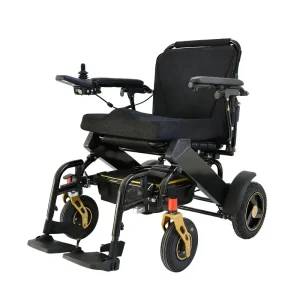
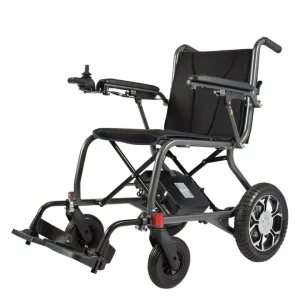
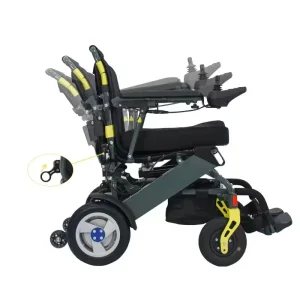
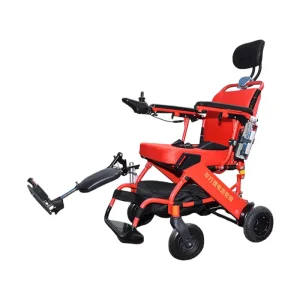
Patented space-saving geometries. Built with aerospace-grade 6061 aluminum alloy to achieve lightweight construction without sacrificing load-bearing capacity.

High energy-density lithium-ion battery integration. Paired with localized battery management systems (BMS) for reliable thermal control and long service life.

Low-wear brushless motors that optimize torque and reduce friction losses. This extends battery range by up to 25% compared to traditional brushed motors.

Exclusive mechanical linkages, quick-release mechanisms, and anti-rollback slope safety features protect users while preventing intellectual property infringement.

Engineered wheels with customized shock absorption structures. Tested for durability across rough rural infrastructure and uneven public pavements.
Low-income disability solutions require minimizing costs across the entire supply chain. Our manufacturing facilities in Changshu utilize China's industrial clusters to secure raw materials, advanced electronics, and logistics solutions at competitive rates.
By sourcing precision aluminum extrusion profiles locally and employing automated robotic welding systems, we reduce labor variances. Our proximity to the Port of Shanghai and Ningbo reduces freight transport costs, while our internal quality control department runs routine stress tests on incoming raw components.
Developing products for international markets requires adapting to local regulations. Our compliance division supports global procurement managers with:
Demonstrating Social Impact and Mobility Performance Across Diverse Terrains

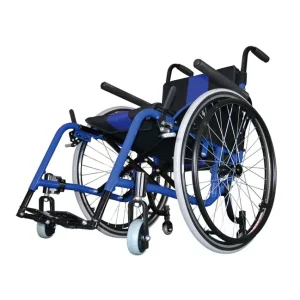
We supplied and donated 100 customized sports and leisure wheelchairs to support local disabled sports initiatives in Malawi, demonstrating durability in challenging outdoor conditions.

Provided customized mobility devices to support logistics, athlete transportation, and service infrastructure during the Olympic and Paralympic Games.
Successfully registered under national healthcare reimbursement systems in France and Italy after passing rigorous clinical and mechanical assessments.
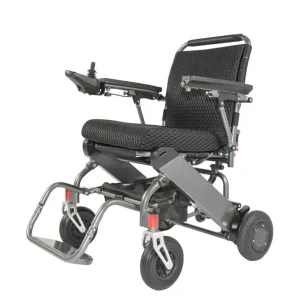
A travel photographer used our rugged, lightweight electric wheelchair to navigate rough terrain and capture remote wilderness landscapes across China.
Meeting Global Medical Device Protocols
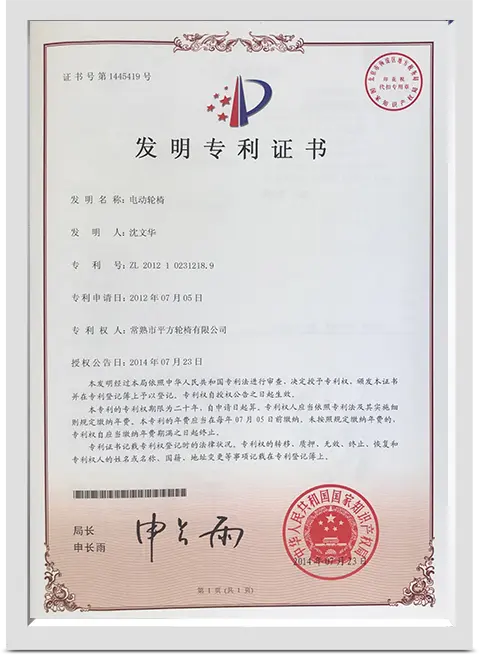
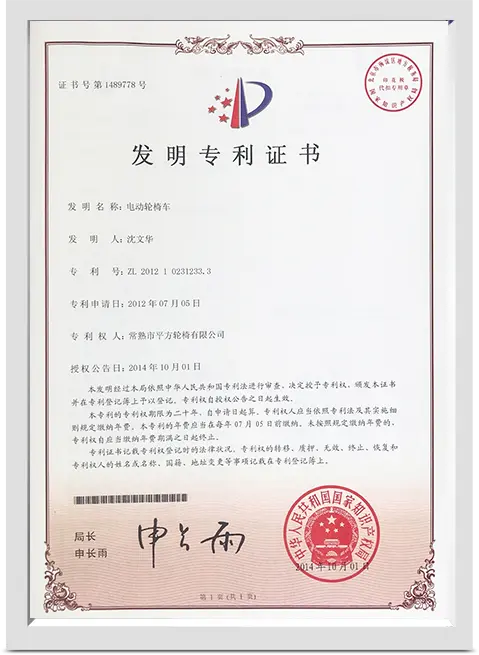
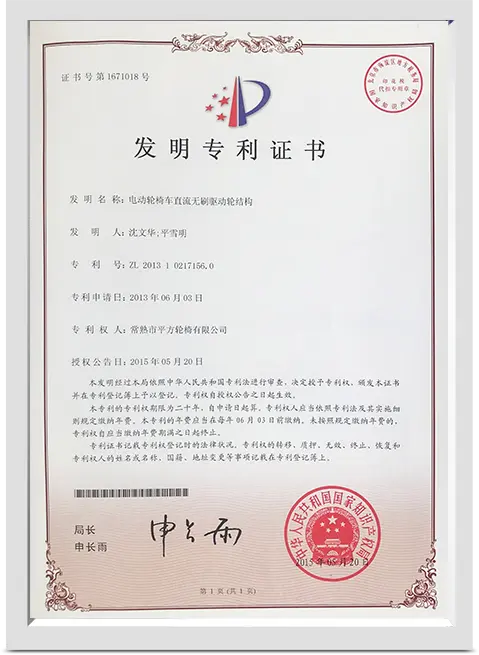
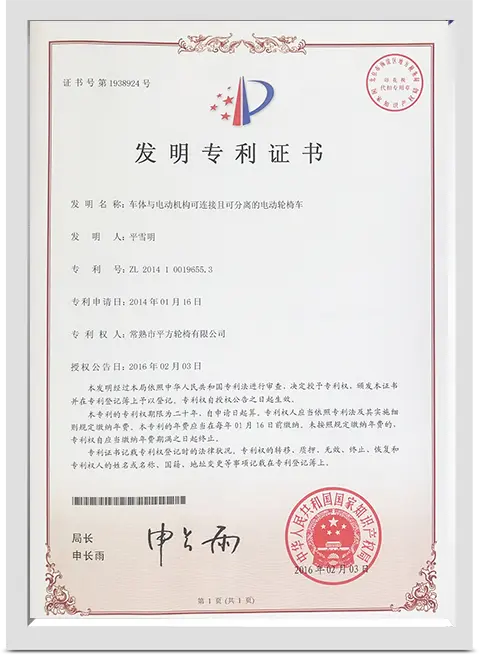
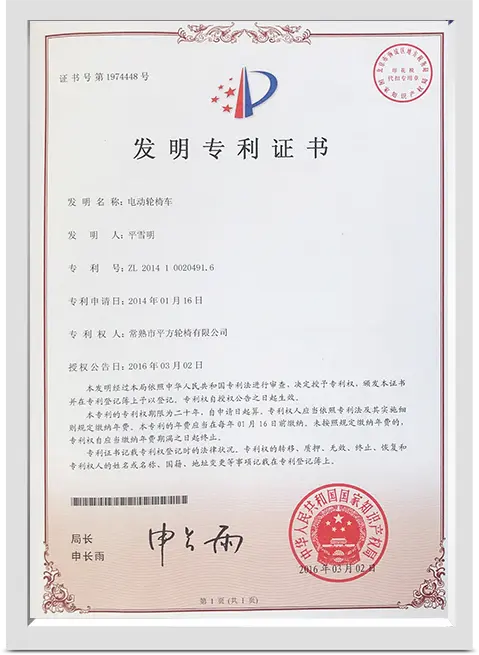
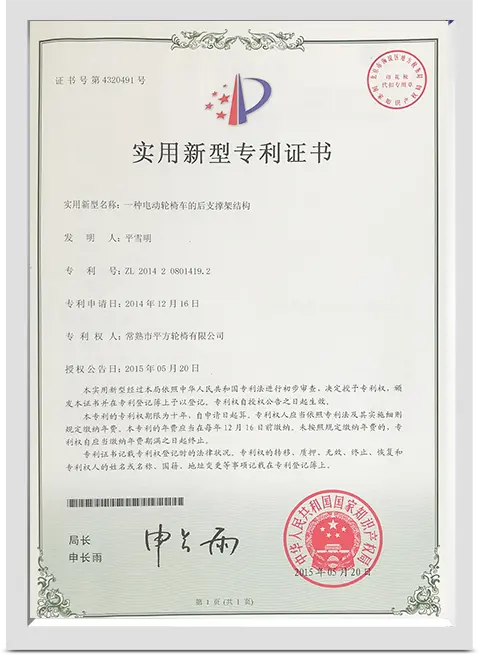





The global mobility landscape is shifting. Several market forces shape the selection of wheelchair designs for low-income demographics:
As the cost of lithium-ion cells and brushless hub motors decreases, public healthcare agencies are shifting from manual steel wheelchairs to lightweight, folding electric options. These power options reduce long-term stress injuries on users' shoulders and improve independence, reducing secondary healthcare costs.
Purchasers are focusing less on initial purchase price and more on the total cost of ownership. Sourcing chairs with high-quality bearings, corrosion-resistant aluminum alloys, and modular electronics reduces repair costs and extends the useful life of the fleet.
International tenders increasingly require clean production processes. Reducing volatile organic compound (VOC) emissions during painting, using recycled alloy materials, and utilizing energy-efficient robotic manufacturing processes help manufacturers meet these environmental criteria.
Direct Answers for Procurement Directors and Healthcare Distributors
Selecting the right wheelchair profile for regional user requirements
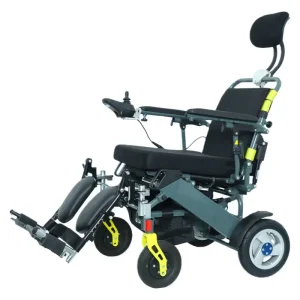
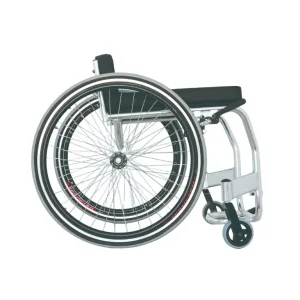
Get in touch with our engineering team for a customized pricing quote on volume orders or custom configurations. We reply within 24 hours.