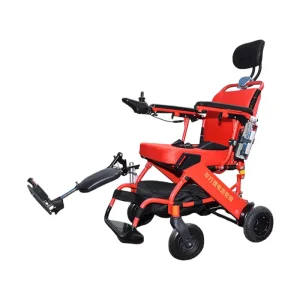
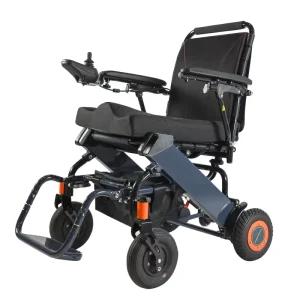
1. The Evolving Frontier of Joystick-Operated Smart Mobility
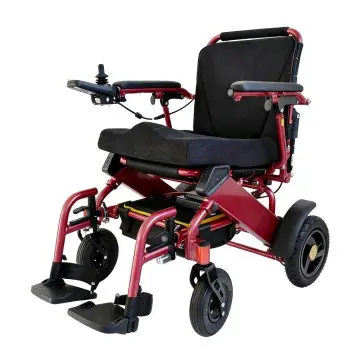
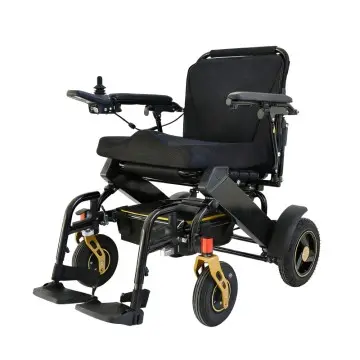
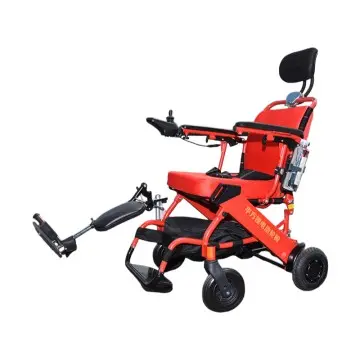
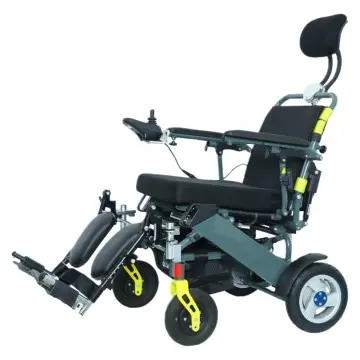
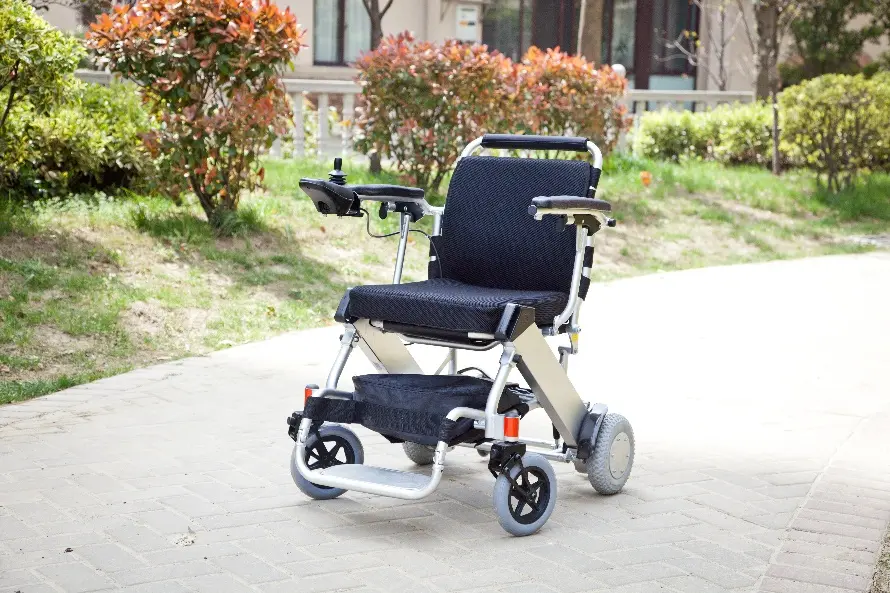
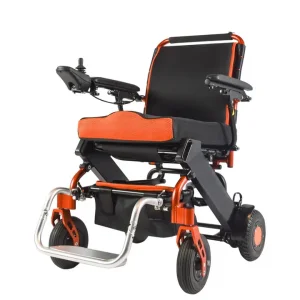
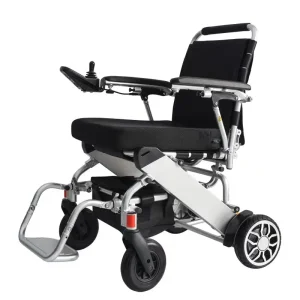
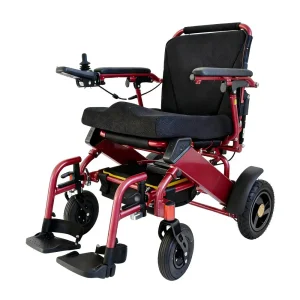
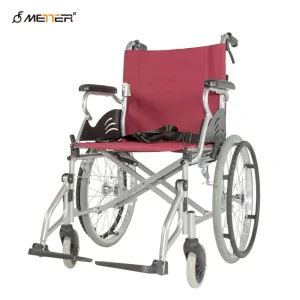
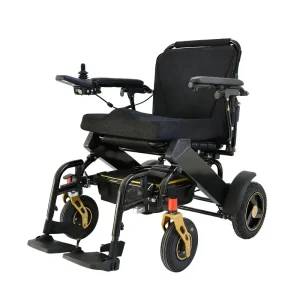
The global smart healthcare equipment domain is currently undergoing a massive structural shift. Traditional manual transit wheelchairs are no longer sufficient to meet the dynamic quality-of-life expectations of an aging demographic. The modern wheelchair market demands joystick-operated electric wheelchairs that offer robust autonomy, multi-terrain capabilities, and integration with intelligent digital systems. Today's advanced joystick controllers are no longer just basic directional switches; they have evolved into human-machine interfaces (HMI) equipped with micro-processors, dynamic power distribution, and multi-functional sensory feedback.
A central focus of this transition is operational precision. Medical-grade 360-degree joystick modules, such as those integrated into Pingfang’s product lines, utilize Hall-effect sensors or precision optical encoders to ensure frictionless control. This reduces operator strain and minimizes mechanical wear. These smart systems communicate directly with brushless DC motor controllers via CAN bus architectures, optimizing output torque in real time to adapt to changes in terrain slopes, urban pathways, and indoor settings.
2. Deciphering CE Certification: MDR Requirements for Global B2B Procurement
For global medical product distributors, procurement managers, and municipal healthcare entities, compliance is a key operational requirement. In the European Economic Area (EEA), the transition from the Medical Devices Directive (MDD) to the more rigorous Medical Device Regulation (MDR 2017/745) has set new standards for importing rehabilitative mobility aids.
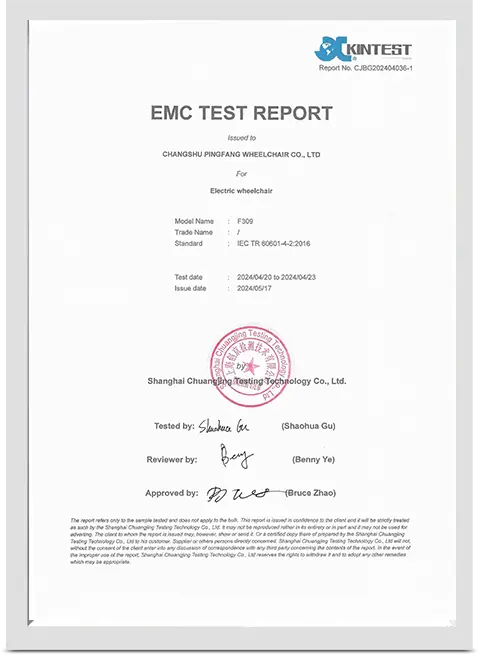
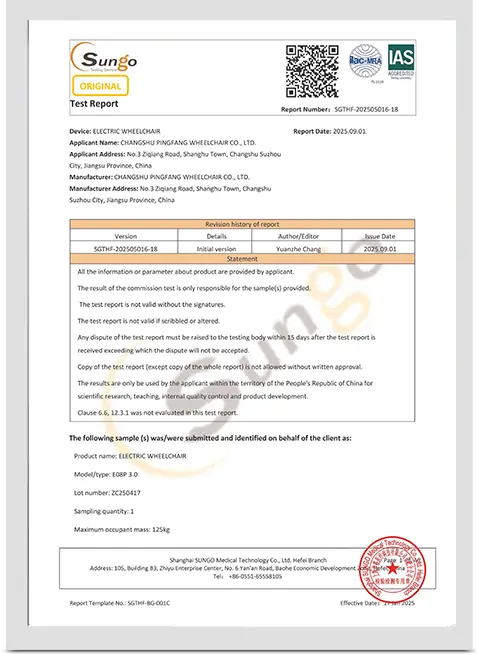
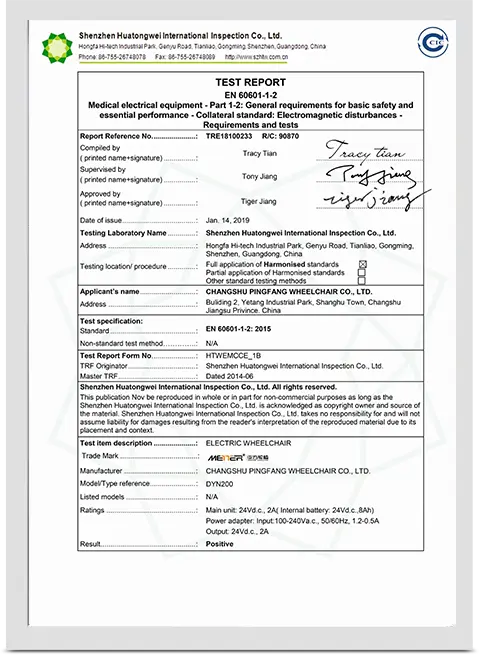
CE Certification is not just a self-declared compliance label; it is a comprehensive validation of a product's safety and performance:
- Biocompatibility (ISO 10993): Every surface of the wheelchair that comes into contact with the patient's skin—such as the seating textiles, armrest cushions, and joystick housing—must undergo testing to ensure it is free from allergens and hazardous substances.
- Electromagnetic Compatibility (EN 60601-1-2): The wheelchair’s electric motors and high-discharge lithium battery packs must not generate electromagnetic interference that could affect other medical equipment. The control systems must also be shielded from external electromagnetic waves.
- Structural Durability and Fatigue Testing (EN 12184): To comply with EN 12184, wheelchairs must pass rigorous fatigue tests, simulating over 200,000 curb impact cycles to ensure the frame remains free of micro-cracks or weld failure under maximum load.
3. China Factory 4.0: Supply Chain Resilience, Vertical Integration & Efficiency
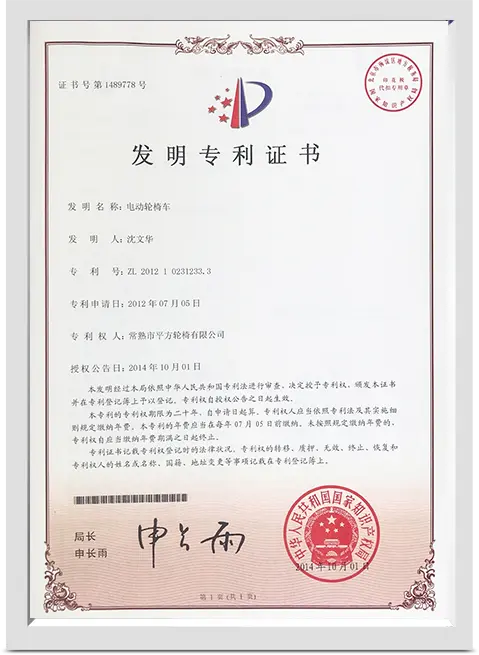
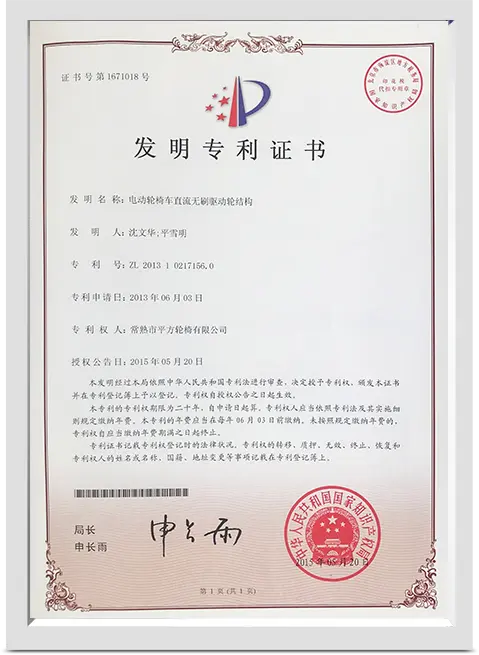
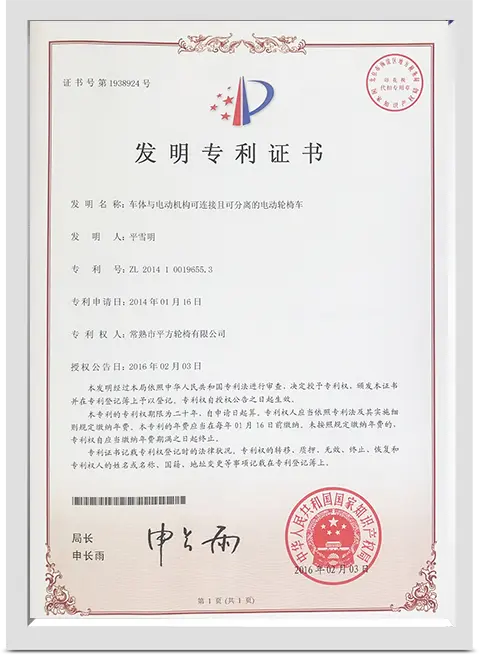
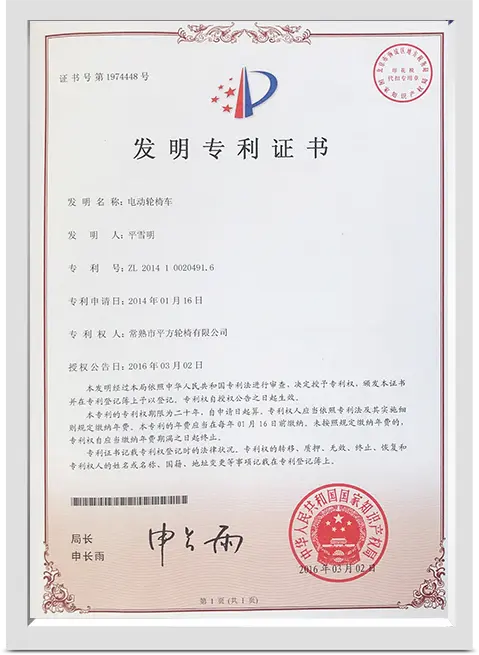
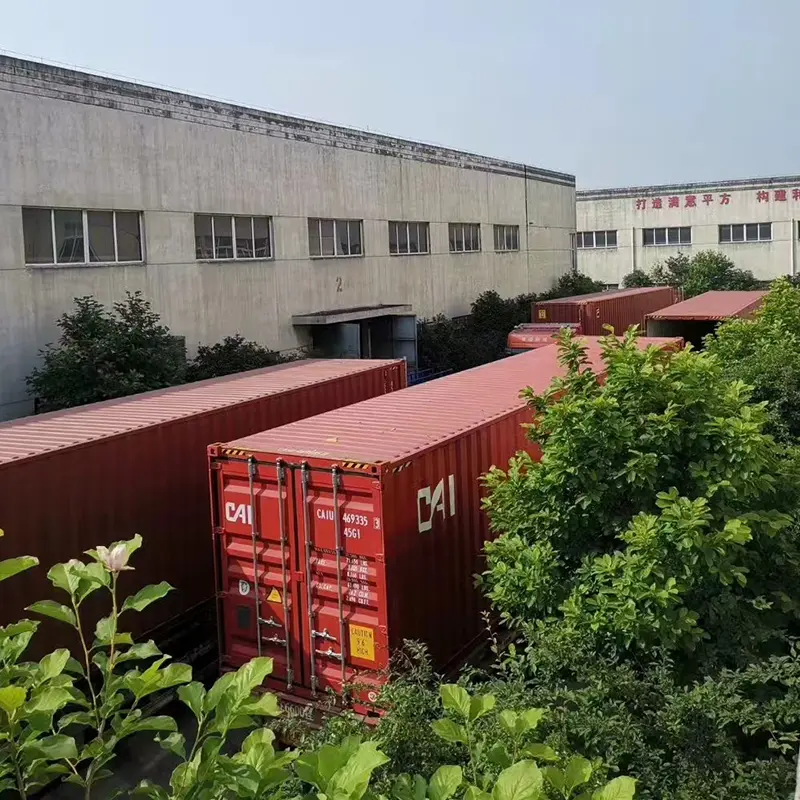
Selecting a manufacturing partner in China is about more than finding a low-cost option; it is about leveraging industrial efficiency and supply chain resilience. Changshu Pingfang Wheelchair Co., Ltd., based in the advanced manufacturing hub of Jiangsu province, utilizes a Factory 4.0 layout to streamline production and ensure reliable delivery timelines.
Our facility integrates critical stages of the production cycle:
- Raw Material Control: We source aviation-grade 6061 and 7003 aluminum alloys directly, ensuring structural integrity from the start of the manufacturing process.
- Robotic Welding Operations: Multi-axis robotic arms perform automated TIG/MIG welding, ensuring consistent weld quality across all frame components.
- End-to-End Testing Protocols: Every electric wheelchair undergoes automated dyno testing to verify motor current draw, braking distance, and control response before packaging.
This vertical integration helps protect our clients from supply chain disruptions, allowing us to maintain stable lead times even during periods of high global shipping demand.
4. Global Procurement & B2B Purchasing Strategies
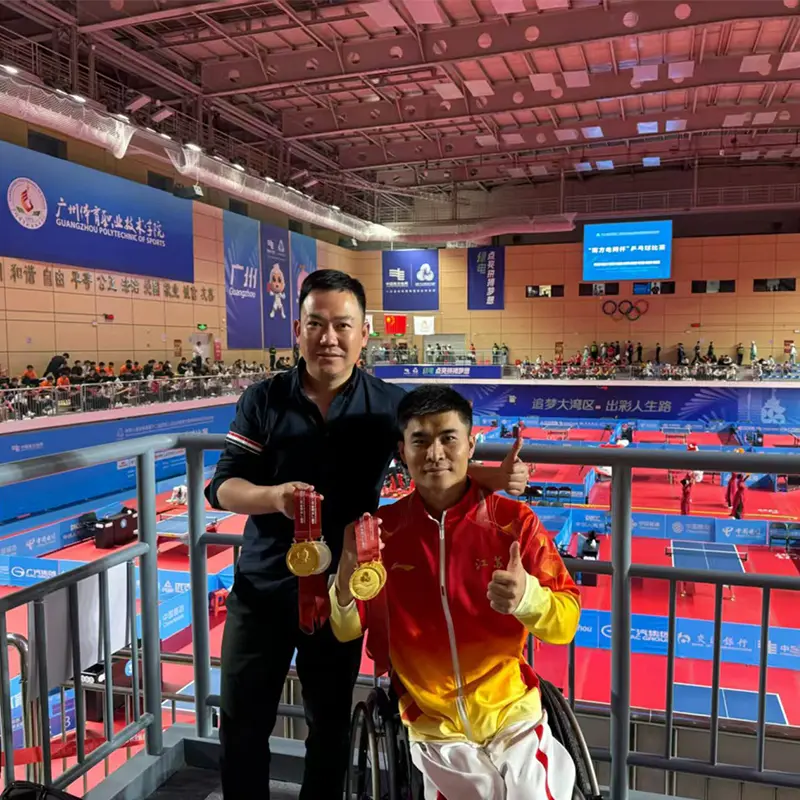
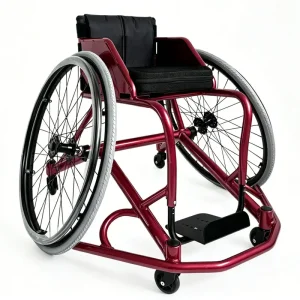
B2B buyers, including medical supply companies, national social insurance programs, and professional sports organizations, evaluate suppliers based on cost, quality, and customization options. Sourcing from a partner that offers both OEM (Original Equipment Manufacturing) and ODM (Original Design Manufacturing) services is key to meeting specific market requirements.
Crucial Factors for B2B Procurement Planning:
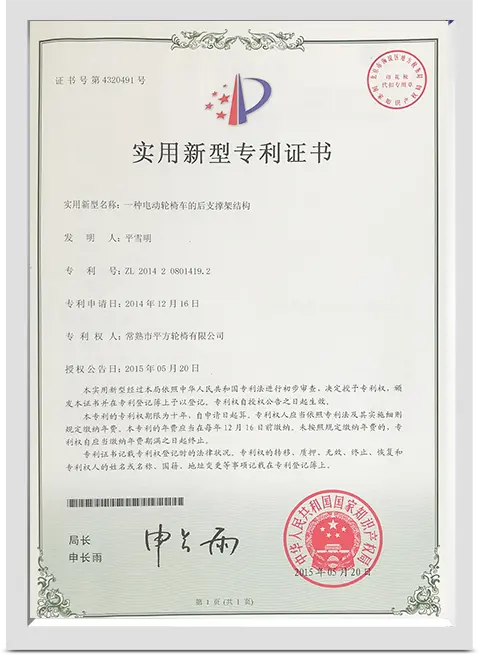
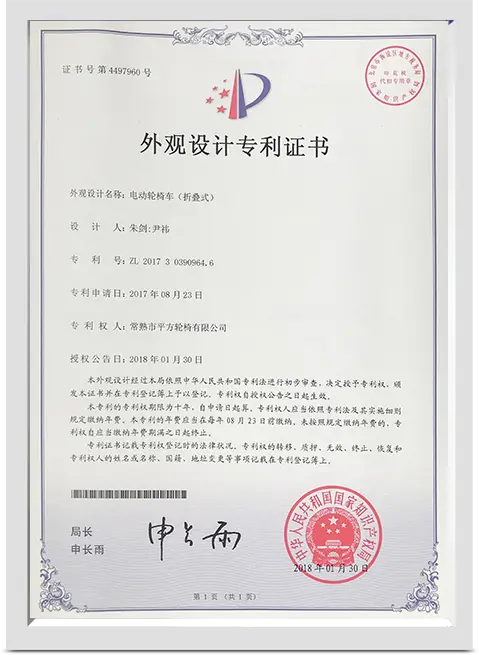
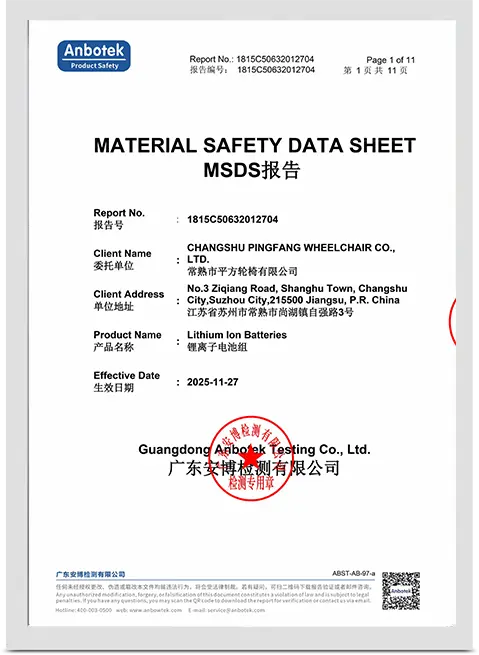
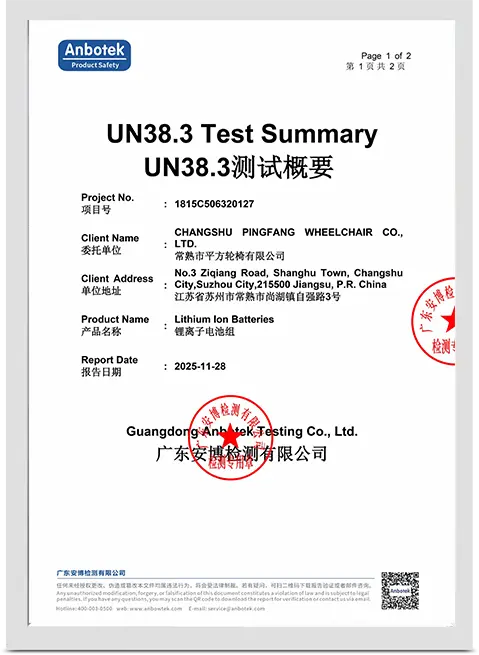
- Regulatory Certifications: Ensure your manufacturer provides valid CE, FDA, and ISO 13485 documentation to prevent customs delays and ensure compliance with regional medical standards.
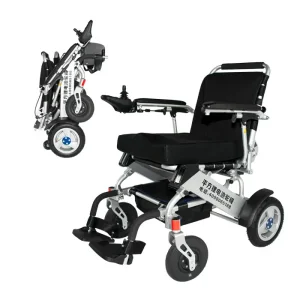
- Container Load Optimization: Foldable wheelchair frames allow for denser packaging configurations, maximizing container volume and reducing per-unit shipping costs.
- After-Sales Support & Component Supply: A reliable supplier provides clear warranty terms and maintains a stock of critical replacement components, such as brushless motors, joysticks, and lithium-ion batteries.