Strategic Insights: The B2B Landscape of CE Certified Mobility Solutions
The global demand for electric mobility scooters and active rehabilitation equipment is undergoing a major structural shift. Driven by aging demographic curves in high-income regions, supportive municipal accessibility programs, and a transition towards multi-modal, zero-emission personal transport, the sourcing of mobility equipment is no longer just a purchasing decision—it is a critical integration of regulatory compliance, mechanical reliability, and supply-chain efficiency.
1. Global Market Megatrends: Demographics, Cities, and Medical Integration
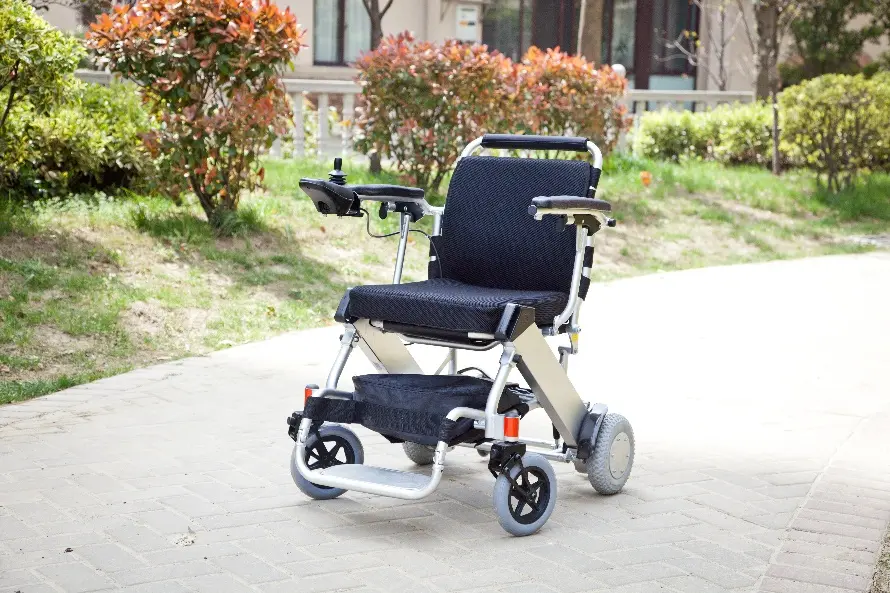
According to market data, the global electric mobility scooter market size is projected to expand at a compound annual growth rate (CAGR) exceeding 6.5% through 2030. Sourcing departments, medical distributors, and municipal buyers are prioritizing certified designs that interface cleanly with smart cities.
In Europe and North America, urban planners are widening bike lanes and installing specialized access ramps, transforming mobility scooters from private health aids into crucial first-and-last-mile transportation solutions. Concurrently, insurance networks and national healthcare systems—such as France's LPP and Italy's ASL—require strict product registrations. Only CE-marked and certified systems can enter these premium distribution networks, making manufacturer compliance a non-negotiable gateway.
2. Navigating Regulatory Compliance: Deciphering the CE Certification for Medical Devices
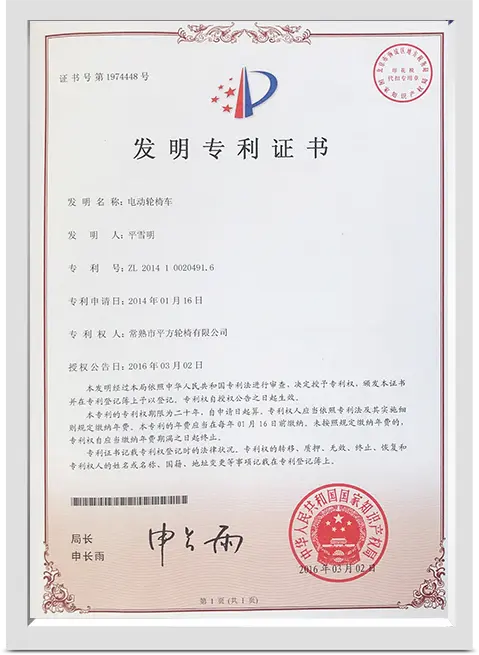
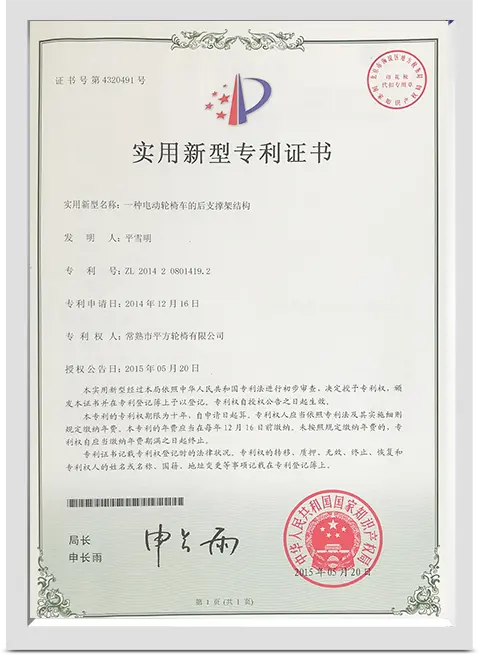
CE Certification is not a mere marketing sticker; it is a legally binding declaration of conformity with European Union standards. Under the European Medical Devices Regulation (EU MDR 2017/745), electric mobility scooters are classified as Class I Medical Devices. Sourcing agents must verify compliance across multiple technical fronts:
- EN 12184 Compliance: Sets specific performance metrics for electrically powered wheelchairs, scooters, and chargers, defining static and dynamic stability, obstacle climbing capabilities, and braking limits.
- ISO 7176 Series Testing: Involves stringent testing of energy consumption, dynamic stability on slopes, seat dimensions, and electromagnetic compatibility (EMC) to ensure the device does not emit electromagnetic noise that disrupts medical environments.
- Biocompatibility (ISO 10993): Guarantees that any component of the scooter in direct contact with the user's skin—such as the armrests and seats—is free from toxic chemical sensitizers.
3. Global Procurement Trends: Beyond the Lowest Price
Experienced B2B buyers are moving away from simple cost-per-unit metrics to focus on the Total Cost of Ownership (TCO). A lower upfront acquisition cost can quickly be wiped out by elevated return rates, shipping claims, and battery failures. Importers look for partners who offer:
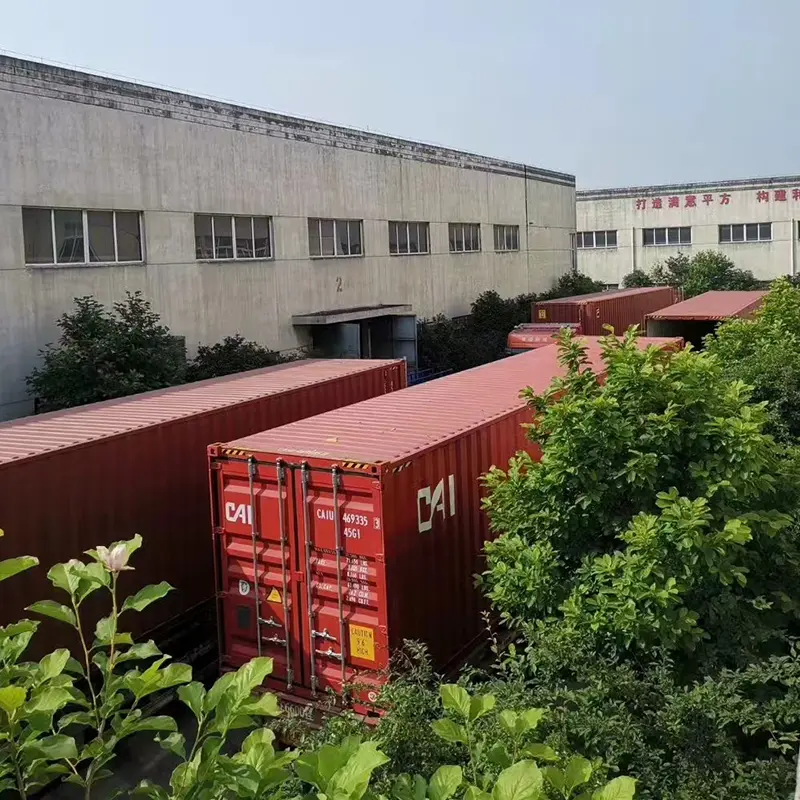
- UN38.3 certified lithium battery packs to facilitate seamless air freight and customs clearance.
- Pre-shipment functional audits and documentation tracking for quality assurance.
- Modular component design to simplify field maintenance and lower replacement part shipping costs.