In recent years, the demand for lightweight power chairs has surged, reflecting a shift in consumer needs. According to industry reports, the global market for mobility aids is projected to reach $9.4 billion by 2025. This growth emphasizes the importance of accessibility and mobility for those with limited physical capabilities. A lightweight power chair offers a practical solution, merging convenience with functionality.
These chairs typically weigh less than 100 pounds, making them easy to transport and maneuver. As people seek independence, lightweight power chairs provide freedom for activities like shopping, socializing, and traveling. However, not all models meet high safety and durability standards, raising questions about long-term investment.
Purchasing a lightweight power chair requires careful evaluation. Consider factors like battery life, weight capacity, and user comfort. Expert recommendations highlight the importance of testing different models. With the right choice, a lightweight power chair can greatly enhance one's quality of life, enabling mobility and confidence.
Understanding Lightweight Power Chairs: Definition and Features
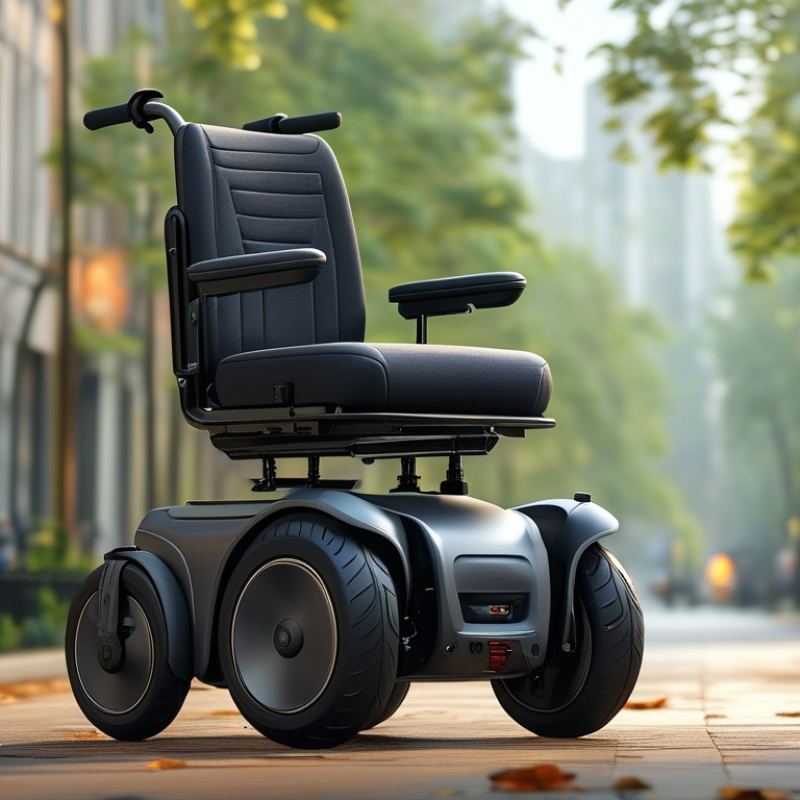
Lightweight power chairs have become essential tools for individuals with mobility challenges. These devices are designed to be portable yet robust, ensuring users can navigate various environments with ease. Typically weighing less than 50 pounds, they allow for effortless transport. Many users appreciate their compact size, especially when it comes to fitting into smaller vehicles or navigating tight spaces. This practicality is vital for maintaining independence.
The features of lightweight power chairs enhance the user experience significantly. They often come equipped with adjustable seating, allowing for customized comfort during extended use. The choice of batteries also plays a crucial role. Certain models feature advanced lithium batteries, extending the range of travel before needing a recharge. These adaptations contribute to overall efficiency but also call for regular maintenance to ensure longevity. Many people enjoy the ease of operation, yet some may feel overwhelmed when learning to control the joystick or navigate complicated terrains.
Understanding these aspects can help potential users find a power chair that suits their needs. Users should think critically about their lifestyle and mobility requirements. For instance, those living in multi-story homes might consider the weight limitations when transporting the chair upstairs. This reflection is crucial to prevent frustration in daily use. Weight, features, and personal comfort should guide the search for the ideal lightweight power chair.
Lightweight Power Chair Features Comparison
This chart compares key features of different lightweight power chairs. It highlights their weight, battery life, speed, and turning radius, important considerations for potential users looking for mobility solutions.
Advantages of Lightweight Power Chairs for Mobility and Independence
Lightweight power chairs have become essential for those seeking enhanced mobility and independence. According to a report by the National Mobility Equipment Dealers Association, these chairs weigh significantly less than traditional power chairs, making them easier to transport. Weighing around 50 to 100 pounds, they can often fit into smaller vehicles or be lifted into place without great effort. This ease of use opens up a world of possibilities for users, allowing them to navigate daily activities with confidence.
Researchers have highlighted the benefits of lightweight power chairs in improving users' quality of life. A study published in the Journal of Rehabilitation Research found that users reported increased freedom and less dependence on caregivers when using these adaptable devices. Many users have highlighted the convenience of maneuvering through tight spaces and traveling longer distances without feeling fatigued. These chairs can be equipped with advanced features, like adjustable seating and speed controls, catering to individual needs. Having these options directly impacts mobility, as many users can engage in outdoor activities they previously thought impossible.
Despite their numerous advantages, lightweight power chairs do have limitations. Some users find that features may be less comprehensive than heavier models. For example, weight restrictions may limit battery life and distance. This is a critical factor when considering daily use for those who require extended mobility support. When choosing a lightweight power chair, individual needs and lifestyle should be closely evaluated to ensure the best fit and functionality.
Key Factors to Consider When Choosing a Lightweight Power Chair
Choosing the right lightweight power chair can make a significant difference in mobility and independence. When considering a power chair, weight plays a crucial role. A lightweight model is easier to transport and maneuver. Many users find that these chairs fit well in small spaces, making daily tasks easier.
Comfort is another key factor. Look for a chair with adjustable seating and supportive cushions. The right fit can enhance your overall experience. Consider the battery life as well. Longer battery life means more freedom to explore without worrying about running out of power.
Tips: Always test a chair before making a choice. Try different models to see what feels best. Remember to check the weight capacity to ensure safety and stability. A power chair should serve your needs without compromising comfort. Often, users find that lightweight options lead to improved daily life.
Another aspect to consider is durability. Lightweight doesn’t mean fragile. Ensure the materials used are robust yet light. Reading reviews can provide insights into other users’ experiences. It’s essential to balance quality with weight for long-term satisfaction.
What is a Lightweight Power Chair and Why You Need One? - Key Factors to Consider When Choosing a Lightweight Power Chair
| Feature |
Description |
Importance |
| Weight |
Typically 50 lbs or less, easy to transport. |
Enhances mobility and portability. |
| Battery Life |
Range of 10-15 miles on a single charge. |
Ensures freedom without frequent charging. |
| Seat Width |
Standard widths range from 18 to 22 inches. |
Provides comfort and proper fit. |
| Turning Radius |
Usually around 22 inches, allowing for tight turns. |
Enables navigation in small spaces. |
| Weight Capacity |
Ranges from 250 to 300 lbs. |
Important for safety and durability. |
| Foldability |
Design allows for easy folding for transport. |
Facilitates travel and storage. |
| Speed |
Typically ranges from 3 to 5 mph. |
Ensures efficient travel for daily activities. |
Common Misconceptions About Lightweight Power Chairs
Many people hold misconceptions about lightweight power chairs. One common myth is that they are not sturdy. In reality, most lightweight models use advanced materials like aluminum. These chairs support users weighing up to 300 pounds. This combination of strength and lightness makes them ideal for daily use.
Another misconception is that lightweight power chairs lack features. In truth, many models offer adjustable seating and customizable controls. According to industry reports, nearly 70% of users find their lightweight chairs easier to maneuver. This enhances independence and mobility for those with limited strength.
Some may believe that a lightweight design compromises battery life. However, recent advancements have led to efficient power management. Studies indicate that modern lightweight models can provide up to 15 miles on a single charge. This provides users with reliable mobility while reducing concerns about frequent charging.
Maintenance and Care Tips for Your Lightweight Power Chair
Maintaining a lightweight power chair is essential for
optimal performance and longevity. Regular maintenance can prevent mechanical failures and ensure safety.
According to the National Mobility Equipment Dealers Association,
keeping your power chair clean can extend its lifespan by up to 30%.
Simple daily checks should include ensuring the battery is charged and testing brakes.
Battery care is vital. It's recommended to charge
the batteries after each use and avoid letting them deplete completely. This can prevent damage and
maintain battery efficiency. Industry reports indicate that improper battery maintenance can reduce their
lifespan by nearly 50%, leading to costly replacements.
Tires also require attention. Check for wear and ensure they are inflated correctly. Low tire pressure can
make mobility difficult and pose safety risks. Technicians suggest inspecting tires monthly to avoid issues.
Analogously, many users underestimate their
wheelchairs' physical condition. Addressing small problems can prevent bigger, more costly repairs later.
Remember, proper care is an ongoing commitment.
Conclusion
A Lightweight Power Chair is a mobility aid designed to provide enhanced independence and mobility for individuals with mobility challenges. These chairs are characterized by their compact design and ease of use, making them an ideal choice for both indoor and outdoor environments. The advantages of a Lightweight Power Chair include improved maneuverability, easier transportability, and the ability to navigate through tight spaces without hassle. When selecting a Lightweight Power Chair, important factors such as weight capacity, battery life, and seat comfort should be considered to ensure proper fit and function.
Despite their benefits, there are common misconceptions about Lightweight Power Chairs, such as their durability and stability compared to standard power chairs. Regular maintenance and care are essential to prolong the lifespan of your Lightweight Power Chair, ensuring it remains in optimal condition. By understanding these aspects, users can make informed decisions that enhance their mobility and independence while effectively addressing any concerns they may have.

