How to Choose the Right Power Wheel Chair for Your Needs?

Time:2026-07-01 Author:Ethan
0%

Choosing the right Power Wheel Chair can be a daunting task. With so many options available, it’s easy to feel overwhelmed. A Power Wheel Chair is more than just a means of mobility; it represents freedom and independence for many individuals. These chairs come with various features designed to enhance comfort and usability.

When considering your options, think about your specific needs. Factors such as your daily activities, living environment, and personal style play a crucial role. For instance, some Power Wheel Chairs excel in maneuverability for indoor use, while others are designed for rugged outdoor terrain. You might also find different seating options, battery life, and control systems, each catering to diverse preferences.

It's essential to weigh these factors carefully. Making an informed choice can significantly impact your quality of life. Research is necessary, but personal experiences often provide valuable insights. Visiting a local dealer for demonstrations may help clarify which features are most beneficial. Reflect on your current challenges and look for solutions that enhance your daily life. Remember, the ideal Power Wheel Chair should align with both your needs and lifestyle.
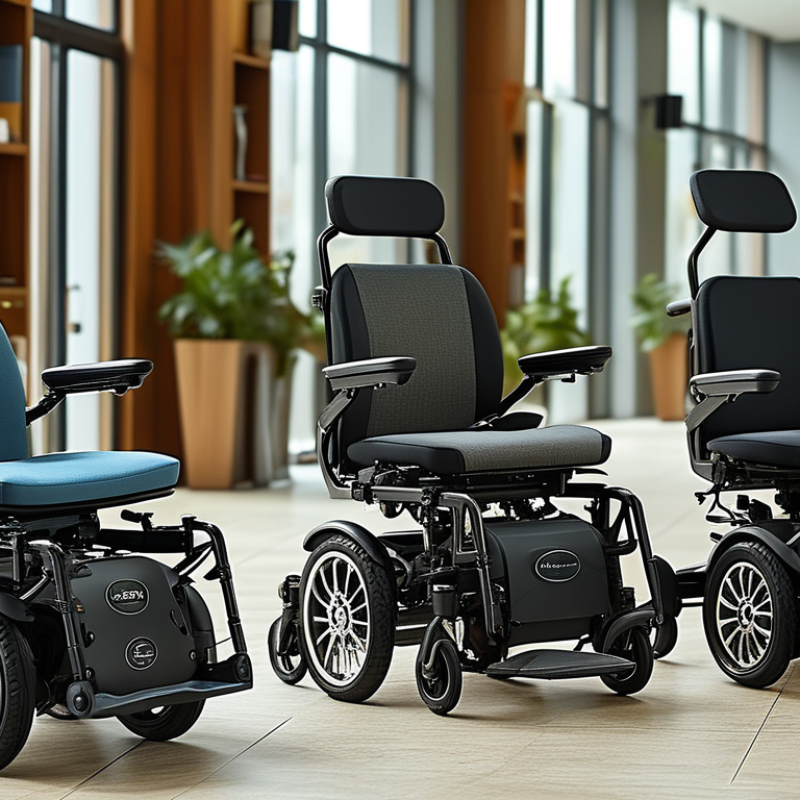
How to Choose the Right Power Wheel Chair for Your Needs?

Understanding Your Mobility Needs for Selecting a Power Wheelchair

Choosing the right power wheelchair starts with understanding your mobility needs. Many people face unique challenges that influence their choice. According to the National Institute of Health, about 3 million Americans use a wheelchair. Each user's requirements vary significantly, combining physical abilities, lifestyle, and environment.

Evaluating your daily routine helps clarify your needs. Do you navigate tight spaces often? If so, a compact model might be best. Research suggests that indoors, maneuverability is crucial for comfort. Alternatively, consider your outdoor activities. A wheelchair designed for rugged terrain enhances mobility outside. About 40% of users desire this feature, but many overlook it.

Battery life is another vital factor. Daily usage impacts how far you can travel. An unreliable battery can limit independence. Studies show that users prefer a range of at least 15 miles. Also, reflect on weight capacity matched to your requirements. Each detail matters in optimizing comfort and mobility.

How to Choose the Right Power Wheel Chair for Your Needs?

Feature Description Considerations
Weight Capacity The maximum weight the wheelchair can safely support. Choose a model that comfortably accommodates the user's weight.
Battery Life Duration the wheelchair can operate on a single charge. Longer battery life is better for daily usage and longer outings.
Seat Size Dimensions of the seat to ensure comfort. Seats should fit the user well to avoid discomfort and pressure sores.
Turning Radius The diameter of the circle created when the chair turns. Smaller turning radius allows easier navigation in tight spaces.
Ease of Transport How easily the chair can be disassembled or folded for transport. Consider how often the wheelchair will need to be transported.
Control Options Types of controls available (joystick, touch, etc.). Select controls that match the user’s ability and preferences.
Suspension System that absorbs shocks for a smoother ride. Better suspension improves comfort over uneven terrain.

Key Features to Consider in Power Wheelchairs: A Comprehensive Review

When selecting a power wheelchair, several features stand out as essential. Comfort is key, as users often spend hours in them daily. Look for adjustable seats and customizable armrests. If possible, test the chair to gauge comfort levels before deciding. Weight and size also matter. A lightweight chair is easier to maneuver. Compact models fit through doorways better, enhancing mobility.

Battery life is another critical aspect. A longer battery ensures you don't get stranded. Check the charging time, too. Some models recharge quickly. Stability and control are vital for safe navigation. Balance is crucial, especially on uneven surfaces. Wheel size can affect this; larger wheels often provide better stability.

Consider the ease of repairs and maintenance. Some designs might require specialized service, which can be costly. User feedback can provide insights into durability and longevity. While it's tempting to focus solely on advanced tech features, basic functionality should not be overlooked. Reflect on your personal needs. Each user’s situation is unique. What works for one may not work for another.

Choosing the Right Power Wheelchair: Key Features Comparison

Evaluating Battery Life and Weight Capacity for Optimal Performance

Choosing the right power wheelchair requires careful consideration of battery life and weight capacity. These two factors greatly influence overall performance and suitability for individual needs. A good battery should last long enough for daily use. Depending on lifestyle, a person might require a wheelchair that can manage various terrains. Different batteries come with varying lifespans, so checking specifications is crucial.


Weight capacity is equally important. Most power wheelchairs have specific limits. Exceeding this limit can affect the chair's functionality. Users should consider their own weight along with any added accessories. A chair with a higher weight capacity might provide better stability. However, it could also be bulkier, making it harder to maneuver in tight spaces.


Reflecting on personal needs can help in the decision-making process. What activities are essential? How often will the wheelchair be used outdoors versus indoors? An adequate battery can enhance mobility but might require routine maintenance. Weight capacity can ensure safety but may limit options. Finding a balance between these factors is key to selecting the right power wheelchair.

The Importance of Customization Options in Power Wheelchairs

When selecting a power wheelchair, customization options are essential for meeting individual needs. Each user is unique, with different mobility requirements and lifestyles. This personalization allows for a better match between the user and the wheelchair. A wheelchair that fits well can significantly enhance comfort and maneuverability.

Consider how the features of a power wheelchair can adapt to your routine. Seat height adjustments, joystick placement, and armrest configurations all contribute to usability. These modifications can help manage day-to-day activities effortlessly. Prioritize features that suit your physical condition.

Tips: Take the time to test different models. Experience how each one handles different terrains. Engage with professionals who specialize in mobility aids. Their expertise can help identify what works best for you. Remember, no wheelchair will address every issue perfectly. Reflect on your needs regularly and be open to reassessing your options. Adapting to changes can lead to improved independence.

Navigating Cost Considerations and Insurance Coverage for Power Wheelchairs

When considering the cost of power wheelchairs, it’s essential to factor in both the initial purchase price and ongoing expenses. Many models can range from a few thousand dollars to significantly more, depending on features and specifications. Users must evaluate their unique needs—like weight capacity, battery life, and terrain adaptability. While features add comfort, they can increase costs substantially.

Insurance coverage can play a crucial role in managing these costs. Medicare and other private insurers may cover a portion of the expenses if certain criteria are met. Documentation of medical necessity is vital. This often requires a healthcare provider’s assessment. Even then, approved models might be limited. Applicants may feel frustrated by the process and its complexities.

Additionally, you might discover hidden costs. Maintenance, repairs, and battery replacements can accumulate over time. Considering these factors helps with long-term budgeting. Evaluating multiple funding options can also provide alternatives for those in need. It's important to weigh all aspects carefully to make the right decision in choosing a power wheelchair.

FAQS

: What factors influence the performance of a power wheelchair?

: Battery life and weight capacity are key factors. They affect overall performance and suitability for each user.

How long should a battery last?

A good battery should last long enough for daily use. Check specifications for varying lifespans.

Why is weight capacity important?

Weight capacity affects functionality. Exceeding limits can compromise safety and stability.

What should users consider regarding weight?

Users need to consider their own weight, plus any added accessories, when selecting a wheelchair.

How can customization options help users?

Customization enhances comfort and maneuverability. Features like seat height and joystick placement are vital.

Should I test different wheelchair models?

Yes, testing various models helps understand how they handle different terrains and fits your needs.

What costs should be considered with power wheelchairs?

Consider both initial purchase price and ongoing expenses like maintenance, repairs, and battery replacements.

How does insurance coverage impact wheelchair costs?

Insurance may cover some costs but often requires proof of medical necessity. This process can be complex.

Can hidden costs affect budgeting for a wheelchair?

Yes, maintenance and replacement costs can accumulate over time. Long-term budgeting should include these factors.

How often should I reassess my wheelchair needs?

Regular reflection on your needs is important. Adapting to changes can improve your independence and comfort.

Conclusion

Choosing the right Power Wheel Chair is crucial for enhancing mobility and independence. It begins with understanding your specific mobility needs, ensuring that the chair supports your daily activities and lifestyle. Key features such as the design, maneuverability, and overall comfort play a significant role in the selection process. Additionally, evaluating battery life and weight capacity ensures that the chair performs optimally for your requirements.

Customization options are also important to consider, as they allow you to tailor the wheelchair to your personal preferences. Finally, navigating cost considerations, including potential insurance coverage, can significantly impact your decision. By carefully assessing these factors, you can select a Power Wheel Chair that best meets your needs and enhances your quality of life.

Ethan

Ethan

Ethan is a seasoned marketing professional with a deep expertise in our company's innovative product line. With a passion for sharing knowledge and insights, he takes the lead in regularly updating our corporate blog, where he explores industry trends, product features, and effective marketing......